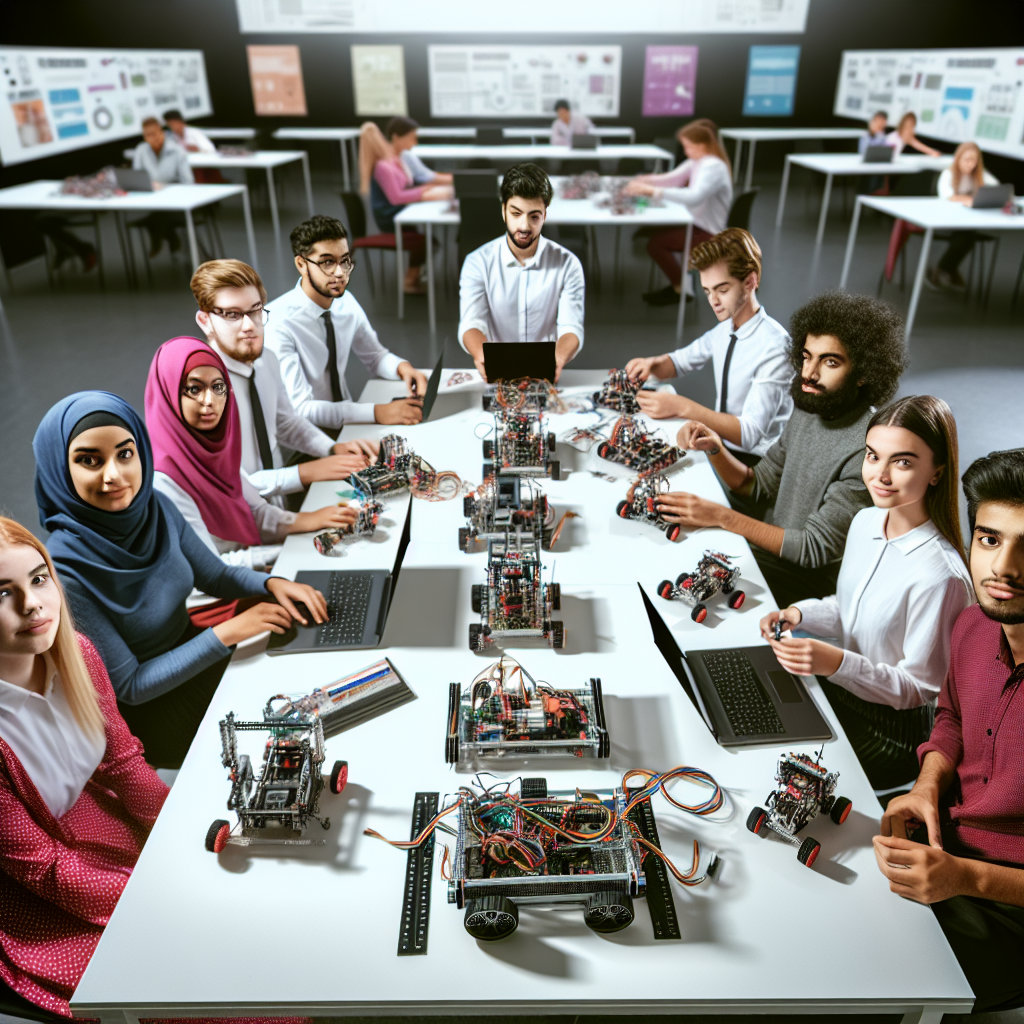
Advanced Robotics Kits for Young Engineers: The New Frontier of Elite STEAM Learning
Introduction
In today’s rapidly evolving technological landscape, cultivating a child’s passion for engineering, robotics, and innovation from a young age has never been more essential—or more accessible. For parents of means who prioritize premium education and futureproof skill sets for their children, investing in advanced robotics kits offers not only educational advantages but also unmatched developmental benefits. The integration of science, technology, engineering, arts, and mathematics (STEAM) into contemporary childhood learning has transformed dramatically over the last decade, and robotics has swiftly become a cornerstone of elite early education.
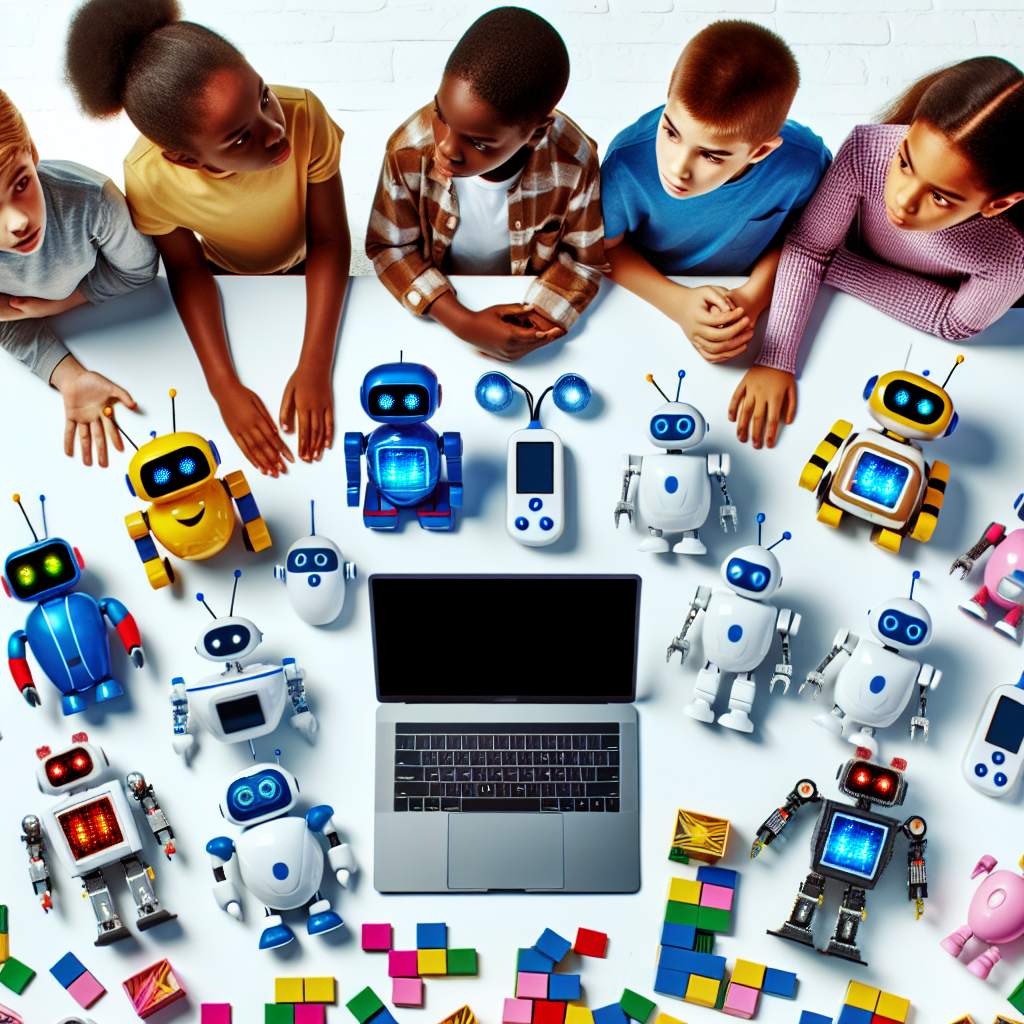
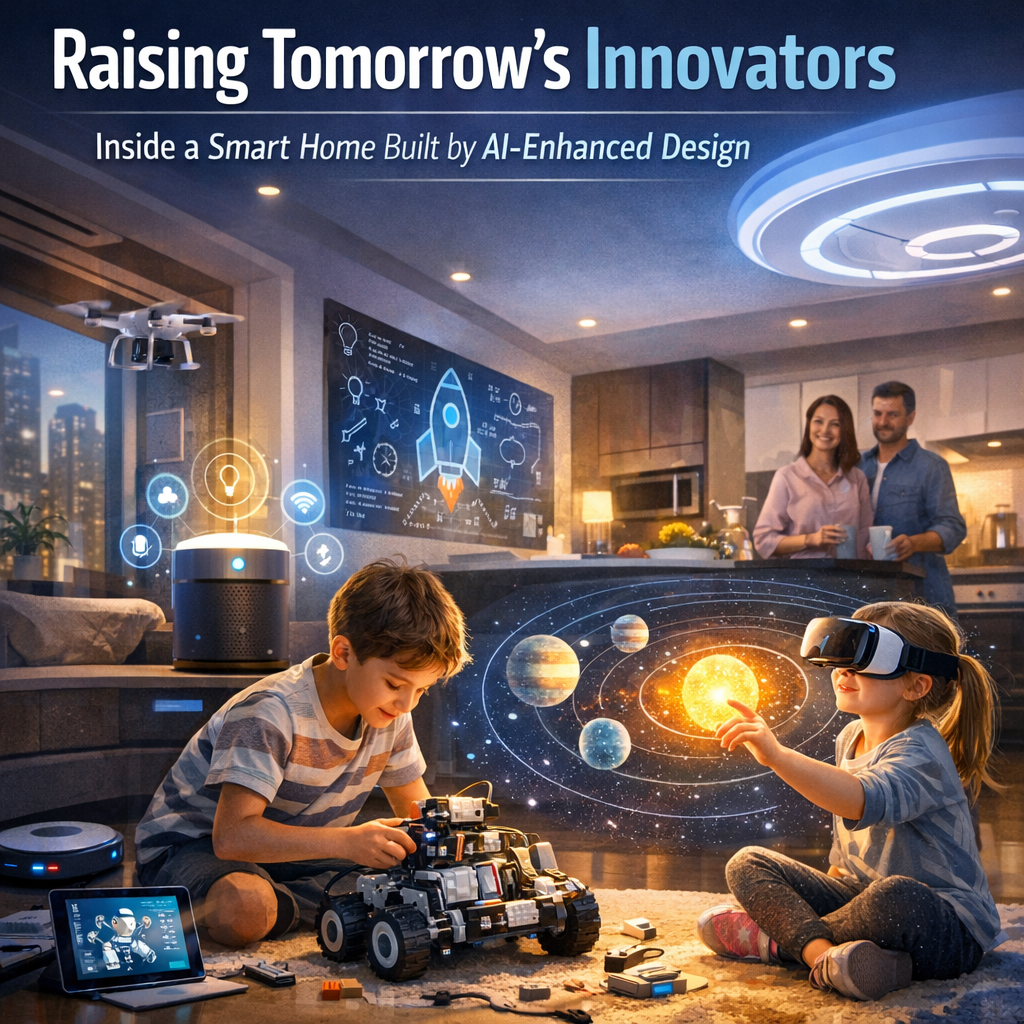
Luxury today goes beyond material excess—it embodies access to the best opportunities, tools, and experiences. Advanced robotics kits, such as those developed by LEGO® Education, Makeblock, VEX Robotics, and UBTECH, deliver just that. These kits are not toy-grade distractions; they are highly engineered learning systems designed with real-world applications, programming languages, and mechanical schematics that support immersive building and problem-solving experiences commonly found in top-tier universities and tech incubators. From AI-driven humanoids to autonomous vehicles crafted by children in their living rooms, the possibilities are both exciting and intellectually enriching.
In luxury households where bespoke educational planning is already part of parenting praxis, providing children with robotics kits calibrated for high-potential learners is an intuitive evolution. These kits empower inquisitive young minds to explore concepts like machine learning, kinetic energy, coding languages like Python and C++, and more—all while reinforcing perseverance, analytical reasoning, and creative design.
Research shows that children’s brains are especially malleable during developmental years, making this the ideal window to instill computational thinking—a skill projected by the World Economic Forum to be one of the top ten job skills in the coming decade. Rather than waiting for high school engineering electives, the next generation of innovators can gain a head start in robotics as early as five years old.
Beyond academics, high-end robotics kits offer an ecosystem of learning that can be gamified, personalized, and iteratively challenging. As families grow more hands-on with education, these kits double as family engagement tools—allowing parents and children to learn side by side, connecting on meaningful, future-focused projects. This shared experience not only reinforces technical skills but also nurtures emotional intelligence, communication cycles, and teamwork dynamics critical for tomorrow’s leaders.
Features: How Robotics Stimulates Cognitive, Emotional, and Professional Development
Robotics kits provide more than just entertainment; they facilitate a multidisciplinary, applied learning experience that fosters a variety of lifelong skills. Numerous medical and educational research studies underscore the cognitive benefits observed in children who engage with advanced robotics systems.
The Center for Childhood Creativity at the Bay Area Discovery Museum found that early exposure to STEAM tools enhances critical thinking, spatial awareness, and executive function, suggesting that robotics can stimulate neural plasticity during critical growth periods. Furthermore, a peer-reviewed study published in the Journal of Science Education and Technology found that organized robotics play improved academic performance in mathematics and logical reasoning among elementary and middle school students. The tactile experience of building and coding robots links the abstract principles of physics and computational logic to tangible, rewarding outcomes.
From a psychological standpoint, studies have shown that engaging in robotics boosts self-efficacy—particularly through iterative trial and error. According to the American Psychological Association, mastery-based learning, which robotics naturally encourages, enhances resilience and problem-solving capacities. For gifted and high-performing children, robotics provides the perfect blend of challenge and hands-on learning, fostering a healthy relationship with failure, patience, and refinement.
A key trend in modern education is project-based learning (PBL), which promotes deep understanding through real-world projects. According to research from the Buck Institute for Education, PBL enhances meaningful learning, conceptual understanding, and interpersonal skills. Robotics naturally lends itself to PBL, particularly with collaborative kits such as the VEX IQ Super Kit or LEGO® SPIKE Prime, which are featured in major team-based competitions like those hosted by the Robotics Education & Competition Foundation.
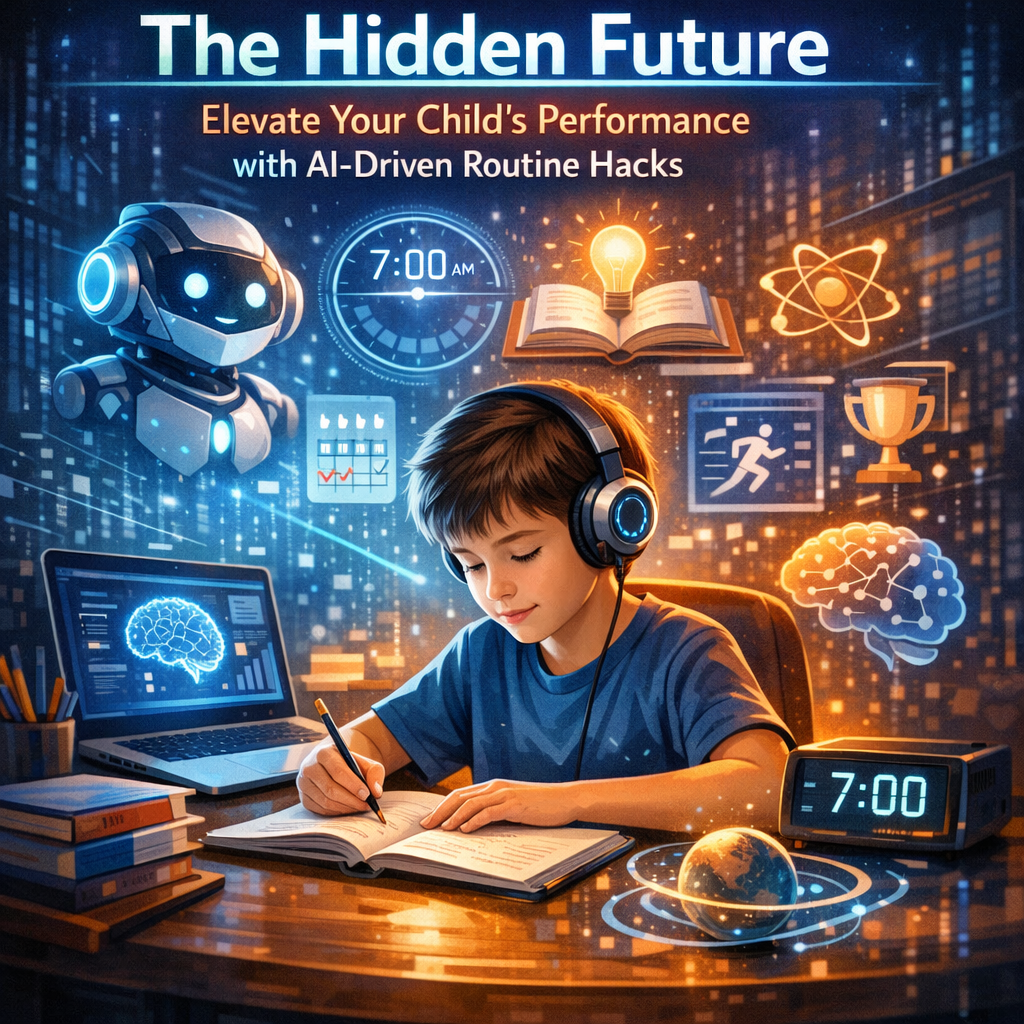
From a neurological perspective, robotics training cultivates both lateral (creative) and linear (logical) thinking. The physical assembly of components builds 3D spatial intelligence, a trait common among surgeons, engineers, and architects. Simultaneously, programming with logic-based code such as Python or C++ strengthens algorithmic fluency, a fundamental skill in STEM-dominated careers.
One of the most compelling developments is the ability for today’s robotics kits to integrate Artificial Intelligence (AI)UBTECH JIMU Robot AstroBot Series and the AI-trained Misty II enable students as young as 9 or 10 to begin exploring natural language processing, object recognition, and even machine vision. These next-gen tools expose young learners to the dynamic possibilities of AI-driven automation in industries ranging from medicine to aerospace.
A longitudinal study by Tufts University’s DevTech Research Group revealed that children who participated in robotics-based modules demonstrated strong retention of complex theory and sustained interest in pursuing higher education in STEM fields. This foundational experience equips learners not only with knowledge but also with a clear direction and toolkit for academic and professional success.
Conclusion
For parents seeking not only to entertain their children but to nourish their intellect, creativity, and future careers, advanced robotics kits offer more than ROI—they offer a forward-looking blueprint. By integrating cutting-edge robotics into early education, families are equipping children with the skills, thinker’s mindset, and technological fluency to lead in tomorrow’s economy. More than a toy, a robotics kit is a launchpad for future innovators.
References
– World Economic Forum. The Future of Jobs Report 2023
– Tufts University DevTech Research Group
– American Psychological Association on Mastery Learning
– Journal of Science Education and Technology. Impact of Robotics-Based Learning on Students’ STEM Skills Development
– Buck Institute for Education. Project-Based Learning Research Summary
– Center for Childhood Creativity. STEM in Early Childhood: What’s Holding Us Back?
Top Robotics Kits We Recommend
– LEGO® Education SPIKE Prime Set
– VEX IQ Robotics Kit
– UBTECH JIMU Robot AstroBot Series

Dominic E. is a passionate filmmaker navigating the exciting intersection of art and science. By day, he delves into the complexities of the human body as a full-time medical writer, meticulously translating intricate medical concepts into accessible and engaging narratives. By night, he explores the boundless realm of cinematic storytelling, crafting narratives that evoke emotion and challenge perspectives. Film Student and Full-time Medical Writer for ContentVendor.com