Customized Learning Pods for Gifted Children
Introduction
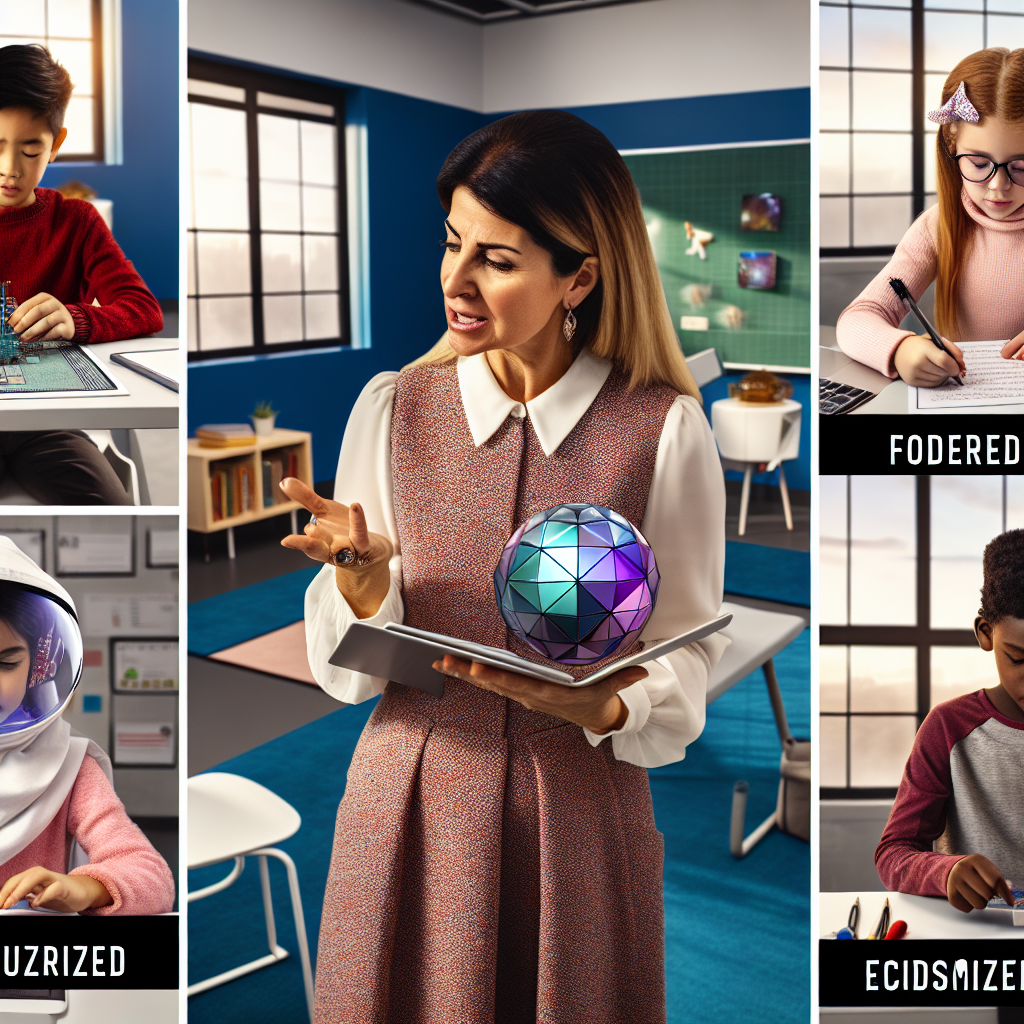
Parents of gifted children often face unique challenges in finding an educational environment that truly nurtures and accelerates their child’s intellectual growth. Traditional classroom settings may not cater to their advanced capabilities, often leaving them under-stimulated and unchallenged. One innovative and increasingly popular solution is the creation of customized learning pods tailored specifically for gifted learners. These intimate, carefully curated educational setups offer a highly personalized academic experience aligned with each child’s unique learning pace, depth of understanding, and specialized interests.
Initially born from necessity during the COVID-19 pandemic, learning pods have now evolved into an elite, bespoke educational movement. Designed for high-achieving learners, these micro-classrooms typically consist of no more than six peers with similar cognitive profiles. When professionally guided by educators trained in Gifted and Talented Education (GATE), these pods become thriving ecosystems of advanced inquiry, critical thinking, and creative expression. They also provide a structured setting where social-emotional needs, often overlooked in gifted education, are intentionally supported.
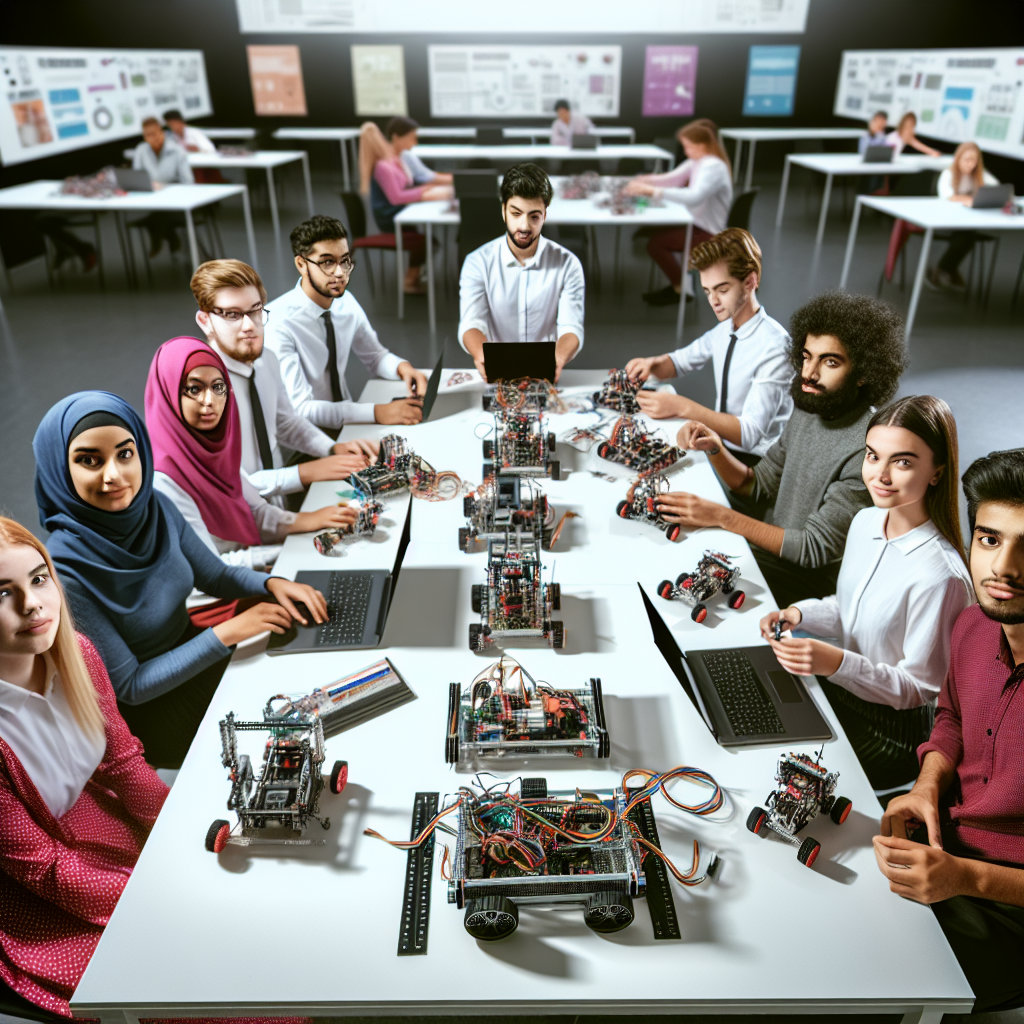
What draws many high-net-worth families to customized learning pods is their unparalleled flexibility, selectivity, and effectiveness. Many implement curated curricula, hire private enrichment specialists, and utilize cutting-edge learning technology. Unlike conventional gifted programs—which may delay differentiated learning—pods place the child at the center of instruction from the beginning. Personalized schedules, elite peer networks, global language immersion, and unique extracurricular activities such as drone engineering or AI coding clearly differentiate these pods from even the most elite private institutions.
These programs are often developed in partnership with child psychologists, educational consultants, and curriculum experts. They frequently include diagnostic assessments to pinpoint learning styles, emotional profiles, and cognitive strengths. Additionally, pods can be hosted in-home or at private venues, offering elite families the added benefit of privacy and convenience—free from the limitations of the traditional school year calendar.
As the landscape of elite education moves toward hyper-personalization, customized learning pods are paving the way for gifted children not only to meet academic milestones but to exceed them—developing with clarity, confidence, and joy.
Features and Supporting Research
Gifted children, as defined by the National Association for Gifted Children (NAGC), are those who demonstrate outstanding levels of aptitude or competence in one or more domains. These students require rich, accelerated, and differentiated educational experiences. Yet traditional schools often fall short—leading to boredom, disengagement, and even emotional challenges. Research from the Davidson Institute for Talent Development and Johns Hopkins Center for Talented Youth (CTY) shows that under-stimulation in gifted learners may result in anxiety, depression, or behavioral concerns.
Customized learning pods offer a compelling solution. Research from CTY highlights that grouped instruction among similarly advanced peers in intimate environments not only accelerates academic growth but also enhances engagement and self-esteem. These findings affirm why so many families are gravitating toward customized learning structures.
The Journal for the Education of the Gifted supports the concept of ability grouping and specialized instruction, especially in low-stress, high-interest learning environments. Customized pods are precisely structured to meet these conditions. Many include integrated emotional and social support—often through life coaches, child psychologists, or trained facilitators—which allows gifted students to thrive socioemotionally as well as academically.
Expanding on this, a 2022 study by the Stanford Graduate School of Education explored how hybrid and flexible schooling models support meaningful academic acceleration and emotional regulation in gifted children. These models contrast sharply with traditional school structures, which often stifle individual pacing and personal interest. Learning pods, by contrast, can adapt instantly—allowing students to explore college-level subjects in elementary school or dive deep into fields like robotics, global literature, or artificial intelligence.
Neuropsychologists such as Dr. Linda Silverman, founder of the Gifted Development Center, emphasize the importance of respecting asynchronous development—a hallmark of gifted children where emotional, intellectual, and physical maturity may not align. Customized pods directly support such complex developmental needs, designing activities and routines that align with each child’s strengths and vulnerabilities. This approach ensures consistent engagement and mental health support over time.
Modern learning pods go even further by integrating biometric analytics and AI-powered personalization tools to track individual student progress in real time. Utilizing data such as brain wave monitoring, attention tracking, and learning retention, instructors can dynamically adapt lesson pacing, presentation style, and content depth. This is revolutionizing how we think about educational customization—especially for today’s digitally fluent, intellectually curious learners.
Conclusion
Customized learning pods for gifted children present a transformative vision for education that far surpasses even renowned private schools. For parents seeking more than standard excellence—for those who hope to nurture confident, joyful, and inquisitive global citizens—these intimate, adaptive environments offer an unparalleled solution.
Backed by research and designed for adaptability, these pods unlock the full potential of gifted youth with precision, compassion, and foresight. As education continues to shift toward personalization and well-being, customized learning pods stand at the forefront of what’s possible for gifted learners in the modern world.
References
- National Association for Gifted Children
- Johns Hopkins Center for Talented Youth
- Journal for the Education of the Gifted
- Stanford Graduate School of Education Research
- Gifted Development Center by Dr. Linda Silverman

Dominic E. is a passionate filmmaker navigating the exciting intersection of art and science. By day, he delves into the complexities of the human body as a full-time medical writer, meticulously translating intricate medical concepts into accessible and engaging narratives. By night, he explores the boundless realm of cinematic storytelling, crafting narratives that evoke emotion and challenge perspectives. Film Student and Full-time Medical Writer for ContentVendor.com