Luxury Children’s Transportation Services
Introduction: The Next Level of Care in Transporting Children
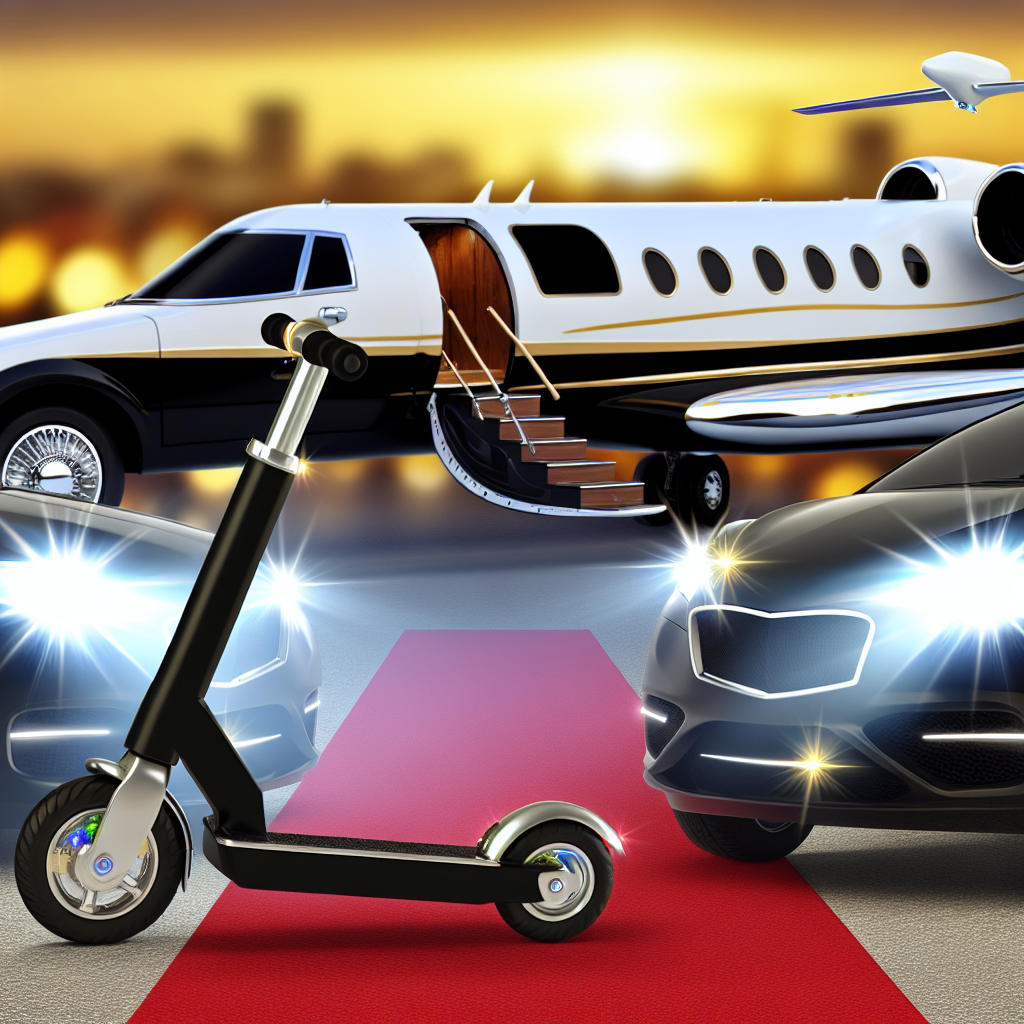
In a world where customization, convenience, and child safety are top priorities for affluent families, the niche market of luxury children’s transportation services has emerged as a sophisticated solution. What once was a routine chore—driving children to school or after-school activities—has transformed into a high-touch service that supports the lifestyle of high-net-worth families.
Busy parents with demanding careers, frequent international travel, or a desire for consistent, elevated care are shifting away from standard options like carpools and traditional school buses. Instead, they’re turning to transportation services that provide certified chauffeurs with childcare expertise, plush climate-controlled interiors, discreet GPS tracking, biometric security systems, and even onboard nannies. These services extend beyond just getting from point A to point B—they create a sanctuary of trust and care that aligns with both the emotional and logistical needs of modern families.
Inside these executive-level vehicles, children have access to Wi-Fi for schoolwork, lighting optimized for comfort, healthy snacks curated by pediatric nutritionists, and entertainment consoles loaded with age-appropriate, educational content. Features like these aren’t just extravagances—they create an environment where children not only feel secure but also remain mentally stimulated and emotionally cared for during travel.
This is particularly reassuring for celebrity families, high-ranking executives, diplomats, and tech entrepreneurs—that is, households concerned with security and discretion. For families of children with medical needs or developmental differences, having drivers and attendants trained in pediatric CPR, special needs advocacy, and emotional intelligence can be a non-negotiable. Luxury, in their case, becomes synonymous with necessity.
More recently, sustainability has become a cornerstone of this sector. Many leading companies are investing in entirely electric vehicle fleets, implementing biodegradable interiors, and using AI-powered routing systems to reduce environmental impact—all while maintaining five-star experiences for their youngest customers. These features appeal to the values of environmentally conscious parents who desire an intersection of luxury and responsibility.
Top-tier services like Zūm, Kango, and Bubbl are carving out a unique niche for themselves. They combine logistical brilliance with emotional intelligence—designing systems that are not just efficient, but also deeply aligned with parental instinct. More than a ride, luxury child transport becomes a strategic tool for development, security, and family harmony.
Features: The Value and Science Behind Premium Child Transport
Understanding the development of luxury children’s transportation begins with recognizing that it is more than vehicular opulence—it’s based on a fusion of safety science, developmental psychology, and smart design.
One of the biggest concerns for parents—and indeed one of the biggest risks—is child passenger safety. According to a study by the National Highway Traffic Safety Administration (NHTSA), car crashes remain among the leading causes of death for children in the United States. Proper use of child safety seats, booster seats, and seat belts can dramatically reduce these statistics. As a result, luxury providers staff Certified Child Passenger Safety Technicians (CPSTs) to double-check installations, uniquely tailoring them to each child’s age, weight, and development stage.
Another defining feature is the integration of personnel with childcare training. Lux drivers aren’t just safe drivers—they are trained caregivers. Supported by guidelines from the American Academy of Pediatrics (AAP), which emphasizes the developmental importance of stable, supportive adults in children’s lives, these providers offer continuity and emotional bonding during what can otherwise feel like transitional or anxiety-laden moments of the day.
The in-transit experience has also evolved to cater to cognitive development. Based on findings from the Learning Policy Institute, premium transport providers offer constructive content and quiet zones for study, maximizing otherwise ‘unproductive’ transit time. Kids can practice foreign languages, listen to guided storytelling, or review assignments with the help of integrated dashboard screens.
Today’s highest-tier services also provide tailored features for families of children with special needs. These include ADA-compliant designs, optional medical devices for children with chronic conditions, and trained in-vehicle aides skilled in behavioral therapy, autism spectrum support, and sensory tools. Vehicles can be discreetly retrofitted to support mobility or monitor vitals—without compromising the serene environment or aesthetic quality.
To guide parents throughout every journey, real-time mobile apps give updates, ETAs, route changes, and allow for direct communication with drivers or assistants. These platforms are bolstered by secure encryption and facial or badge recognition software, keeping both security and peace of mind elevated.
According to a 2022 McKinsey & Company report, children’s mobility is a rapidly scaling vertical, blending high-trust systems and smart transportation technology. These companies don’t merely respond to demand—they anticipate it through efficient AI logistics, rerouting capabilities, and sustainability dashboards that appeal to modern family values.
Conclusion: A New Standard for Modern Families
The advent of luxury children’s transportation represents more than a status symbol—it signifies a new layer of thoughtful care tailored to the most important asset a family holds: their children’s well-being. These services combine premium convenience with rigorously enforced security protocols, rich emotional and developmental support, and digital innovations that redefine how childhood transit should function.
For parents navigating demanding careers and complex lifestyles, these offerings replace daily congestion and stress with seamless structure and assurance. For children, they transform rides from passive downtime into immersive developmental opportunities within a nurturing, protected environment.
In essence, this category doesn’t just elevate how children get from place to place—it raises how we think about movement, safety, and everyday touchpoints in a young life. For families who can access it, luxury transport is not indulgence—it’s intentional care built into every mile.
References
– National Highway Traffic Safety Administration – Child Safety
– American Academy of Pediatrics
– Learning Policy Institute
– McKinsey & Company: The Future of Mobility
– Zūm
– Kango
– Bubbl

Dominic E. is a passionate filmmaker navigating the exciting intersection of art and science. By day, he delves into the complexities of the human body as a full-time medical writer, meticulously translating intricate medical concepts into accessible and engaging narratives. By night, he explores the boundless realm of cinematic storytelling, crafting narratives that evoke emotion and challenge perspectives. Film Student and Full-time Medical Writer for ContentVendor.com