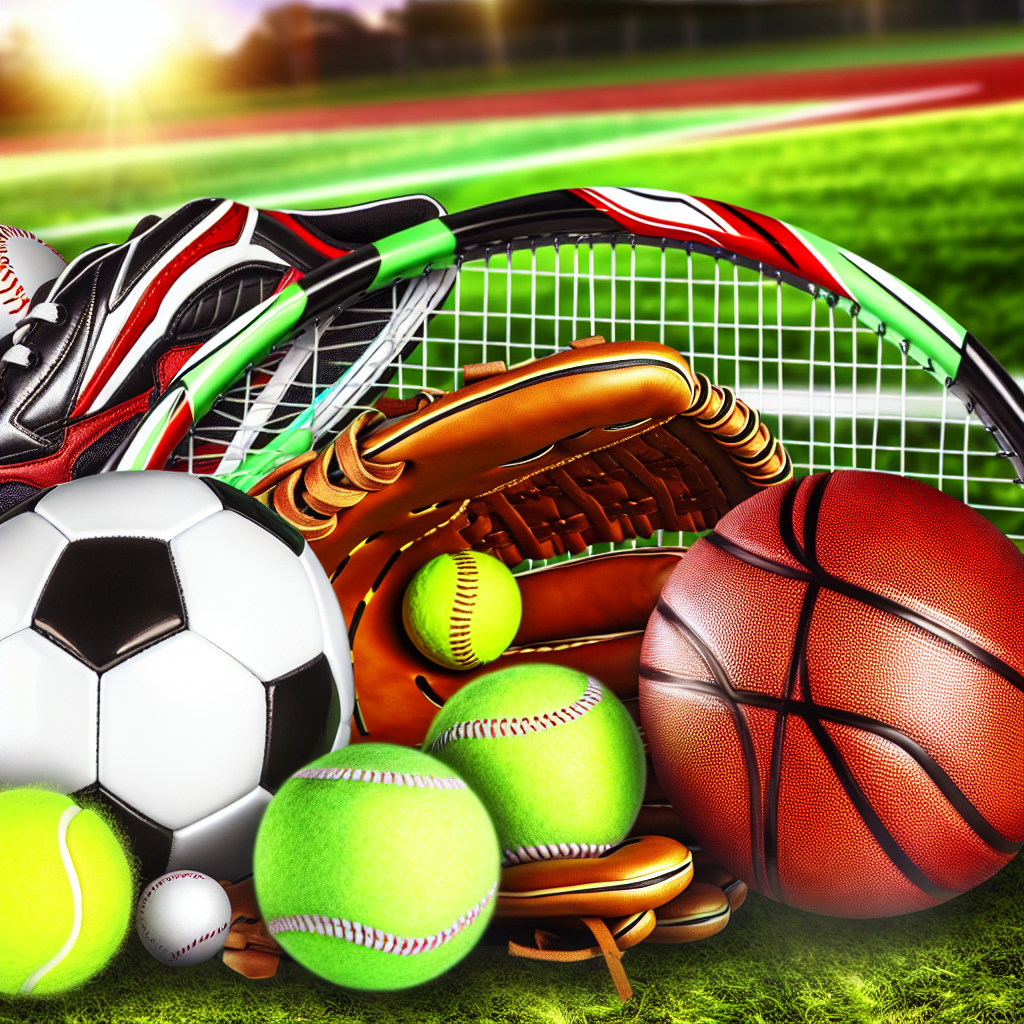
Premium Sports Equipment for Junior Athletes
In today’s increasingly competitive youth sports landscape, parents of means are investing more than ever in their children’s athletic development. From private coaching to elite training camps and specialized nutrition, one crucial but often overlooked component of athletic success is the quality of sports equipment used. For junior athletes, premium gear not only offers top-tier performance benefits but also supports safety, biomechanical accuracy, and long-term physical health.
Junior athletes are not simply miniature adults; their bodies are growing, and their athletic aptitude is still forming. As such, ill-fitting or subpar equipment can do more harm than good—leading to poor technique, discomfort, or even injury. In contrast, high-end sports equipment is engineered to accommodate young athletes’ specific needs. That means cutting-edge materials designed for growing bones, optimized weight distribution for proper swing mechanics, and ergonomic designs that promote natural movement while reducing strain.
Moreover, today’s luxury sports brands are pushing the boundaries of innovation by leveraging technologies like wearable sensors, customizable fit systems, and biomechanical mapping. From carbon fiber tennis rackets with shock absorption for wrist health to GPS-enabled soccer cleats that track sprint speed and direction changes, the market is blazing ahead with innovation and purpose. These innovations not only serve to improve performance but also assist coaches and parents in tracking progress and identifying biomechanical inefficiencies early on.
For parents investing in their child’s sporty trajectory—whether for the Olympic dream or Ivy League recruitment—premium equipment isn’t just a flashy add-on. It’s an essential component of long-term development and peak performance. Access to such tools ensures young athletes are equipped not just for today’s competition, but also for tomorrow’s opportunities.
The right gear can also boost a child’s confidence and support their sense of identity as a serious athlete. When a young tennis player wields a Babolat Pure Drive Junior calibrated for their swing style, or when a budding equestrian wears a custom Samshield helmet forged for protection and elegance, it reinforces the commitment they—and their families—have made to excellence. This sense of identity can inspire greater discipline, increase drive, and deepen a child’s emotional investment in their sport.
Parents who are serious about providing their young athletes with every opportunity to excel must recognize the significant advantages offered by premium, professionally designed sports equipment. When curated properly, these tools can be game-changers—just as pivotal as the coaching staff, practice schedule, and natural talent that support a child’s athletic journey.
Features and Scientific Backing
Numerous studies in sports medicine and pediatrics consistently underscore the impact of appropriate equipment on young athletes’ performance and health outcomes. According to a study published in the British Journal of Sports Medicine, youth-specific equipment reduces injury risk by accommodating the distinct biomechanical needs of growing bodies. Children’s bones, muscles, and ligaments differ from adults in composition and resilience, making it critical that gear supports—rather than strains—developing systems.
For instance, a 2021 paper in the Journal of Orthopaedic & Sports Physical Therapy found that improper footwear in youth athletes leads to an increased incidence of lower limb injuries and compromised performance. Premium footwear from brands like Asics, Nike Elite, and Under Armour now incorporates real-time pressure mapping and arch height measurements to offer tailored support. These innovations are rooted in sports science and are proven to reduce shock transmission and fatigue, thus enhancing both safety and agility.
Furthermore, equipment personalization has been shown to enhance focus and muscle memory. A collaboration between MIT and Wilson Sporting Goods produced youth baseball bats with integrated motion sensors to track swing metrics. When junior athletes used personalized bats based on swing data, their hand-eye coordination, reaction time, and overall batting averages improved remarkably within a few weeks.
Another pivotal area is concussion prevention, particularly in contact sports such as football, hockey, and equestrianism. Top-tier helmets from brands like Xenith and Riddell use multi-layered padding, impact-sensing apps, and rotational force dampeners—all designed with data obtained from decades of medical research into traumatic brain injuries. A report from the American Academy of Pediatrics revealed that properly fitted, technology-enhanced helmets decreased concussion rates by over 30% in tested youth groups, resulting in safer play and improved concentration during games and practices.
Moreover, when evaluating biomechanics, researchers emphasize that ergonomic design—particularly in tennis rackets, golf clubs, and even fencing sabres—can influence the development of core athletic skills. According to Dr. Trent Stellingwerff, a sports biomechanist at the Canadian Sport Institute, early adoption of skill-specific gear cultivates proper technique while preventing repetitive strain injuries. These biomechanical benefits often translate into optimized training regimens and more efficient skill refinement.
Therefore, sophisticated, medically informed gear is not a luxury in the snobbish sense—it’s a forward-thinking strategy for injury prevention, technical excellence, and long-term sustainability. Personalized fittings, AI-driven diagnostics, ergonomic comfort, and elite materials such as carbon composite and aerospace-grade aluminum are changing the conversation around youth sports from a grassroots affair to a data-backed science of performance.
Conclusion
In the realm of youth athletics, premium sports equipment isn’t just about prestige—it’s about precision, safety, and long-term development. As young athletes push their limits on courts, fields, and arenas worldwide, high-quality gear fosters better technique, reduces injury risk, and builds the confidence necessary to succeed. For discerning parents ready to invest in their child’s athletic potential, the selection of elite gear is both a privilege and a responsibility—one that can empower junior athletes to rise, compete, and thrive.

Dominic E. is a passionate filmmaker navigating the exciting intersection of art and science. By day, he delves into the complexities of the human body as a full-time medical writer, meticulously translating intricate medical concepts into accessible and engaging narratives. By night, he explores the boundless realm of cinematic storytelling, crafting narratives that evoke emotion and challenge perspectives. Film Student and Full-time Medical Writer for ContentVendor.com