“`html
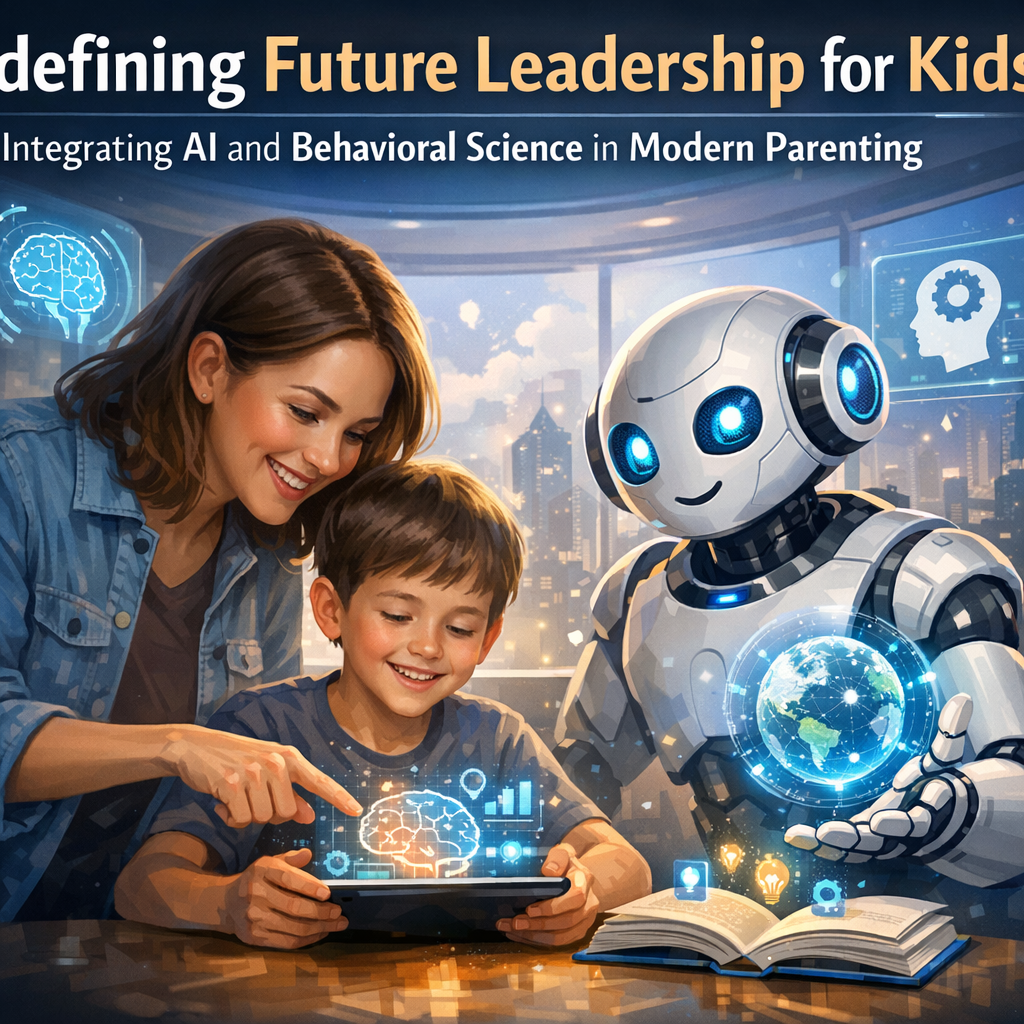
Redefining Future Leadership for Kids: Integrating AI and Behavioral Science in Modern Parenting
Introduction
In today’s fast-evolving digital landscape, preparing the next generation for future leadership roles demands a groundbreaking approach. Traditional parenting methods, while still valuable, may not suffice in equipping children with the skills needed for the future. As the world embraces artificial intelligence (AI) and behavioral science advancements, modern parenting is also undergoing a transformation. Wealthy parents now have the opportunity and resources to leverage these innovations, shaping their children into proactive, empathetic, and adaptive leaders.
The integration of AI and behavioral science into parenting isn’t merely about keeping up with technological trends—it’s about cultivating an environment that nurtures creativity, emotional intelligence, and critical thinking. AI-powered tools, from personalized education platforms to interactive learning toys, offer tailored educational experiences that can adapt to each child’s unique learning pace and style. For example, platforms like DreamBox and Osmo use AI to provide customized learning experiences in mathematics and literacy, promoting skill mastery through adaptive problem-solving.
Behavioral science, on the other hand, provides insights into child development and psychology that can inform parenting strategies. Understanding concepts such as growth mindset, resilience, and intrinsic motivation enables parents to foster environments where children thrive. Research shows that encouraging curiosity and self-directed learning can significantly impact a child’s future leadership capabilities. Parents can cultivate these traits by fostering open-ended conversations, encouraging questions, and providing opportunities for children to engage in projects or experiences that challenge their problem-solving abilities.
When combined, AI and behavioral science create a robust framework for modern parenting—one that acknowledges the importance of holistic child development while emphasizing empathy, ethics, and emotional intelligence. As our society becomes increasingly interconnected and diverse, these elements will be crucial for future leaders to navigate complex global challenges successfully. By redefining leadership principles through this lens, we can prepare our children not just to succeed, but to lead with compassion and vision in the future.
Features
Studies have increasingly shown the profound influence both AI and behavioral science can have in the formative years of a child’s development. A study published by the National Science Foundation highlights the potential for AI-based educational tools to improve learning outcomes. The study found that AI systems can track a student’s progress, provide real-time feedback, and adjust the complexity of tasks to keep students engaged and learning effectively. [Read more](https://www.nsf.gov/news/news_summ.jsp?cntn_id=300142).
Meanwhile, research within behavioral science continues to unlock insights into how child-rearing practices shape future leaders. A paper published in the Journal of Applied Developmental Psychology underscores the importance of fostering a growth mindset in children. The study indicates that children encouraged to embrace challenges and view failures as learning opportunities demonstrate greater resilience and leadership potential. This can be achieved through strategies such as praising effort over innate ability and framing setbacks as chances to grow. [Check the study](https://www.journals.elsevier.com/journal-of-applied-developmental-psychology).
Furthermore, integrating emotional intelligence into childhood education is emphasized by findings from Yale’s Center for Emotional Intelligence. Their research shows that children with higher emotional intelligence tend to perform better academically and socially, showcasing qualities like empathy and effective communication—traits essential to effective leadership. They recommend incorporating emotional learning in everyday interactions to develop these skills early on. [Visit Yale’s research](https://www.ycei.org/).
By combining insights from these domains, parents can cultivate environments where children learn not just academic and technical skills, but also develop the emotional and social competencies needed for leadership roles. With AI tools offering customized learning and behavioral science providing the framework for nurturing mindsets, the marriage of these fields represents a paradigm shift in how we prepare the younger generation to tackle the challenges of tomorrow.
Conclusion
The future of leadership lies in our ability to embrace change and innovation. By integrating AI and behavioral science into parenting, we can redefine what it means to prepare children for leadership roles. This approach ensures our children are not just equipped with knowledge and skills, but also with the ethical frameworks and emotional intelligence necessary to lead with empathy, adaptability, and foresight. As parents of means, investing in this modern approach is crucial for building a future generation that will lead with wisdom and compassion.
References
1. National Science Foundation – AI in Education [nsf.gov](https://www.nsf.gov/news/news_summ.jsp?cntn_id=300142)
2. Journal of Applied Developmental Psychology – Growth Mindset in Leadership [journals.elsevier.com](https://www.journals.elsevier.com/journal-of-applied-developmental-psychology)
3. Yale Center for Emotional Intelligence [ycei.org](https://www.ycei.org/)
“`

Dominic E. is a passionate filmmaker navigating the exciting intersection of art and science. By day, he delves into the complexities of the human body as a full-time medical writer, meticulously translating intricate medical concepts into accessible and engaging narratives. By night, he explores the boundless realm of cinematic storytelling, crafting narratives that evoke emotion and challenge perspectives. Film Student and Full-time Medical Writer for ContentVendor.com