“`html
Rise of the AI Mindset Mentor: Guiding Your Child to Navigate a Future Dominated by Artificial Intelligence
Introduction
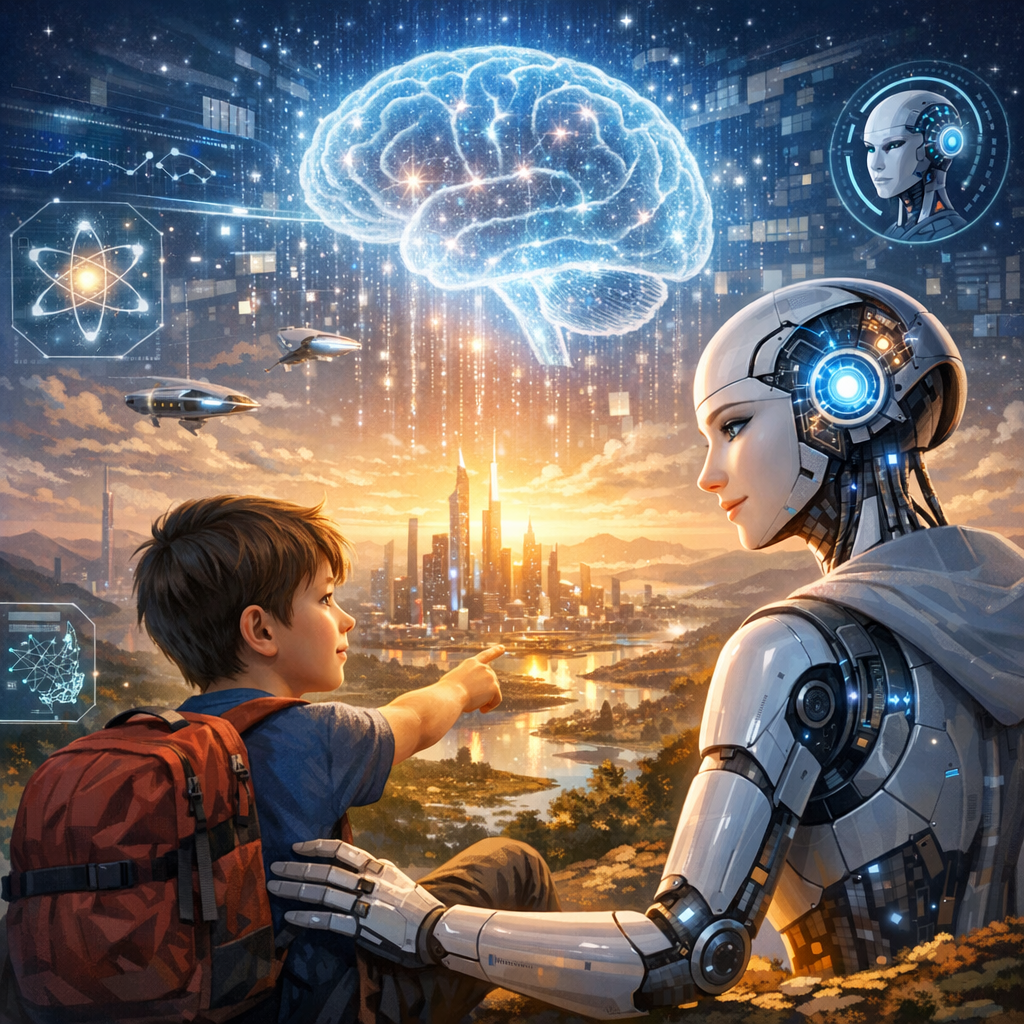
In today’s rapidly evolving technological landscape, the dominance of artificial intelligence (AI) is not merely a distant possibility; it is an emerging reality that is reshaping our world. As AI continues its relentless advancement, it is increasingly critical for parents of means to equip their children with the tools and insights necessary to thrive in an AI-dominated future. Enter the concept of the AI Mindset Mentor—a guide to helping your child navigate the intricacies of a world heavily influenced by AI technologies.
From self-driving cars and automated customer service to AI-driven medical diagnostics and predictive analytics, the presence of AI in diverse sectors is an undeniable catalyst for change. The next generation will not only use AI but will also be responsible for innovating and integrating these technologies into our daily lives. As such, fostering an AI mindset in our children will prepare them to engage with these challenges with creativity, critical thinking, and adaptability.
The AI Mindset Mentor is more than a tool for technical education; it represents a holistic approach to developing essential skills such as problem-solving, ethical judgment, and emotional intelligence. Empowering children with a comprehensive understanding of AI will help demystify these technologies, allowing them to approach AI not with fear, but with curiosity and confidence.
In a world increasingly focused on technological expertise, the role of AI in our educational systems is apparent. Schools are beginning to integrate AI into curricula, preparing students for both the opportunities and responsibilities that come with AI. However, as a parent, you can further enhance your child’s learning experience by encouraging hands-on exploration and fostering conversations around the societal implications of AI.
AI Mindset Mentoring is not about transforming every child into a computer scientist, but rather about instilling an awareness and appreciation of the intricacies of the digital world around them. Through informed mentorship, parents can cultivate a generation that is not only tech-savvy but also ethically astute, ready to handle the sophisticated ethical dilemmas that accompany technological advancement.
Features
Research highlights the importance of nurturing a technologically adept generation. According to a study by the Pew Research Center, a staggering 65% of children entering grade school today will end up working in jobs that do not yet exist, many of which will be shaped by AI-driven innovations. This finding underscores the urgency for parents to start early in fostering an AI-friendly mindset in their children.
A growing body of professional and medical literature indicates that understanding AI’s potential and limitations fosters critical thinking and analytical skills in children. A study published in the Journal of Educational Computing Research found that engaging with AI-related content significantly improved children’s problem-solving abilities and encouraged innovative thinking.
Moreover, AI education aligns with principles of cognitive development. The constructivist learning approach, advocated by educational theorists such as Jean Piaget, suggests that children learn best when they can actively construct knowledge through experiences. AI Mindset Mentoring provides a dynamic platform for children to engage in experiential learning, thereby stimulating their intellectual curiosity and fostering an environment where inquiry-based learning can flourish.
Medical professionals also emphasize the cognitive benefits associated with learning about complex technologies like AI. Research suggests that understanding AI systems can enhance neural plasticity and cognitive flexibility, which are key in adapting to new situations and solving unfamiliar problems. By learning to interact with AI, children develop essential skills that extend beyond the digital realm, including adaptability and resilience.
By incorporating AI literacy into your child’s education, you are not only ensuring their future employability but also nurturing a well-rounded individual capable of ethical decision-making. Ethical AI education is particularly vital as AI systems continue to permeate everyday life. Encouraging your child to ponder questions of privacy, equity, and the societal impact of technology instills a deep-seated ethical consciousness, preparing them to lead responsibly in an AI-driven world.
Conclusion
As AI continues to shape our world, the role of the AI Mindset Mentor becomes indispensable for cultivating a generation ready to face the challenges and opportunities of the digital age. Nurturing an AI-aware child means fostering an informed, ethical, and innovative mind. By embracing this paradigm, parents not only prepare their children for unforeseen futures but also empower them as thoughtful leaders of the technological landscape.
References
– Pew Research Center. “The Future of Skills: Employment in 2030.” [Pew Research](https://www.pewresearch.org)
– Journal of Educational Computing Research. “The effects of AI-related content on children’s cognitive development.” [Journal of Educational Computing Research](https://journals.sagepub.com/home/jec)
– Piaget, J. “The Psychology of Intelligence.” [Constructivist Theory](https://www.simplypsychology.org/piaget.html)
“`

Dominic E. is a passionate filmmaker navigating the exciting intersection of art and science. By day, he delves into the complexities of the human body as a full-time medical writer, meticulously translating intricate medical concepts into accessible and engaging narratives. By night, he explores the boundless realm of cinematic storytelling, crafting narratives that evoke emotion and challenge perspectives. Film Student and Full-time Medical Writer for ContentVendor.com