“`html
The Quantum Leap: How Quantum Computing Will Revolutionize Child Development and Elite Education
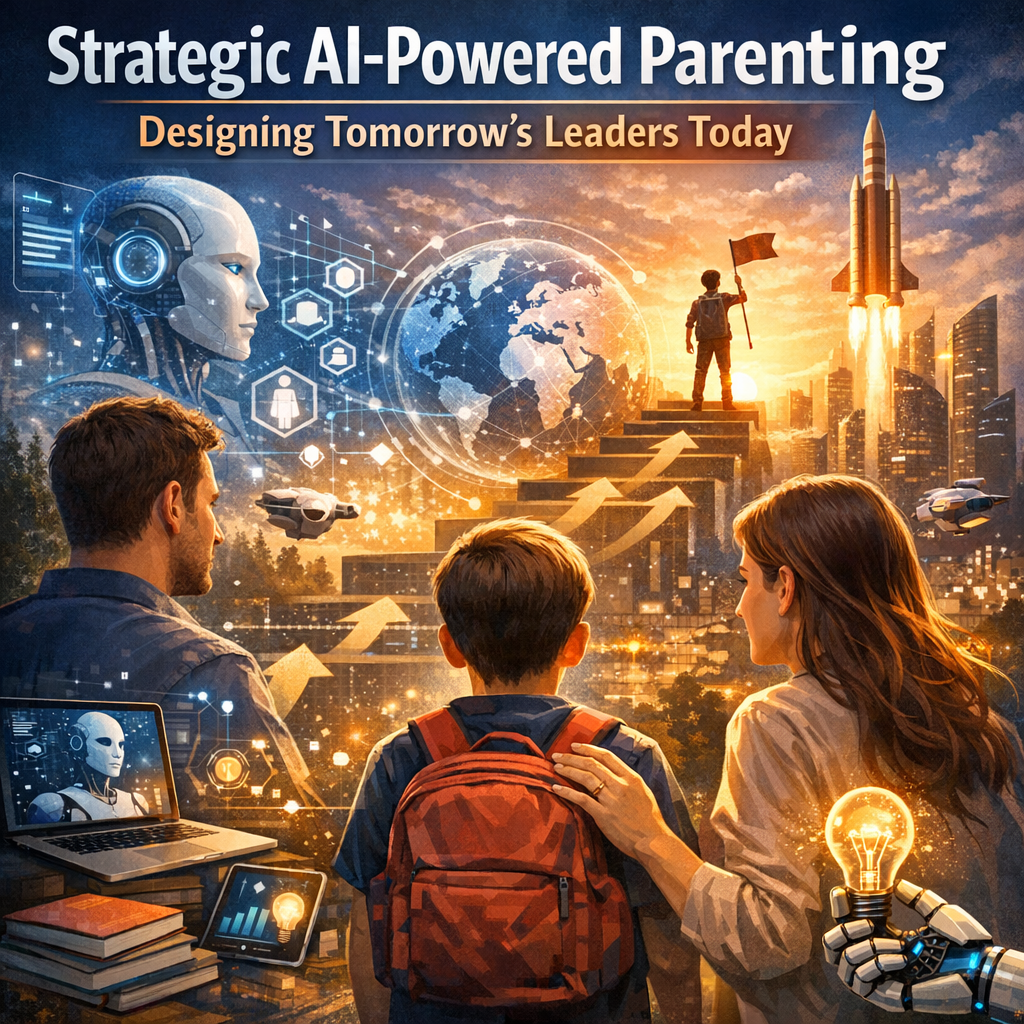
In an era where technology continuously reshapes facets of everyday life, quantum computing stands as the next frontier of innovation. As parents with the means to invest in the most avant-garde opportunities for the development and education of their children, it is imperative to remain informed about the advancements that may soon redefine learning paradigms. While quantum computing might still sound like science fiction to some, its potential to revolutionize child development and elite education is compelling and—theoretically—near.
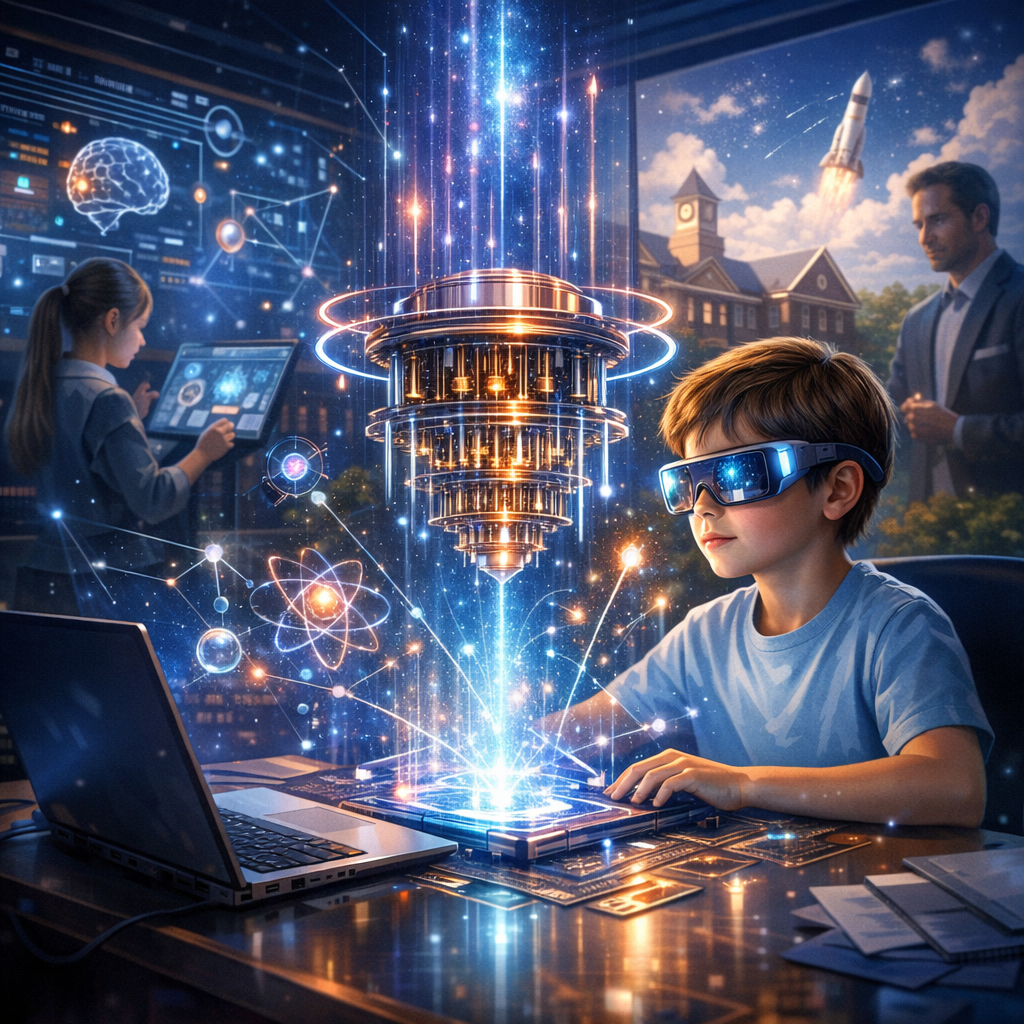
Quantum computing harnesses the peculiarities of quantum mechanics, the physics of the smallest particles. Unlike classical computers that use bits, quantum computers use quantum bits, or qubits, which can represent and store information in more complex, multidimensional ways. This capability translates into a computational power vastly superior to that of current technologies. In practical terms, it holds the potential to solve problems considered too complex for classical computers, fundamentally altering fields like *cryptography, medicine,* and, yes, education.
For parents seeking to provide top-tier educational experiences, quantum computing offers a new horizon. It can enable personalized learning that adapts real-time to a child’s unique pace, learning style, and interests. Imagine an educational environment where curricula evolve dynamically according to a child’s readiness, monitored through data analytics fed by quantum-powered algorithms. This kind of system could identify learning disabilities earlier, adapting methods to accommodate and challenge simultaneously.
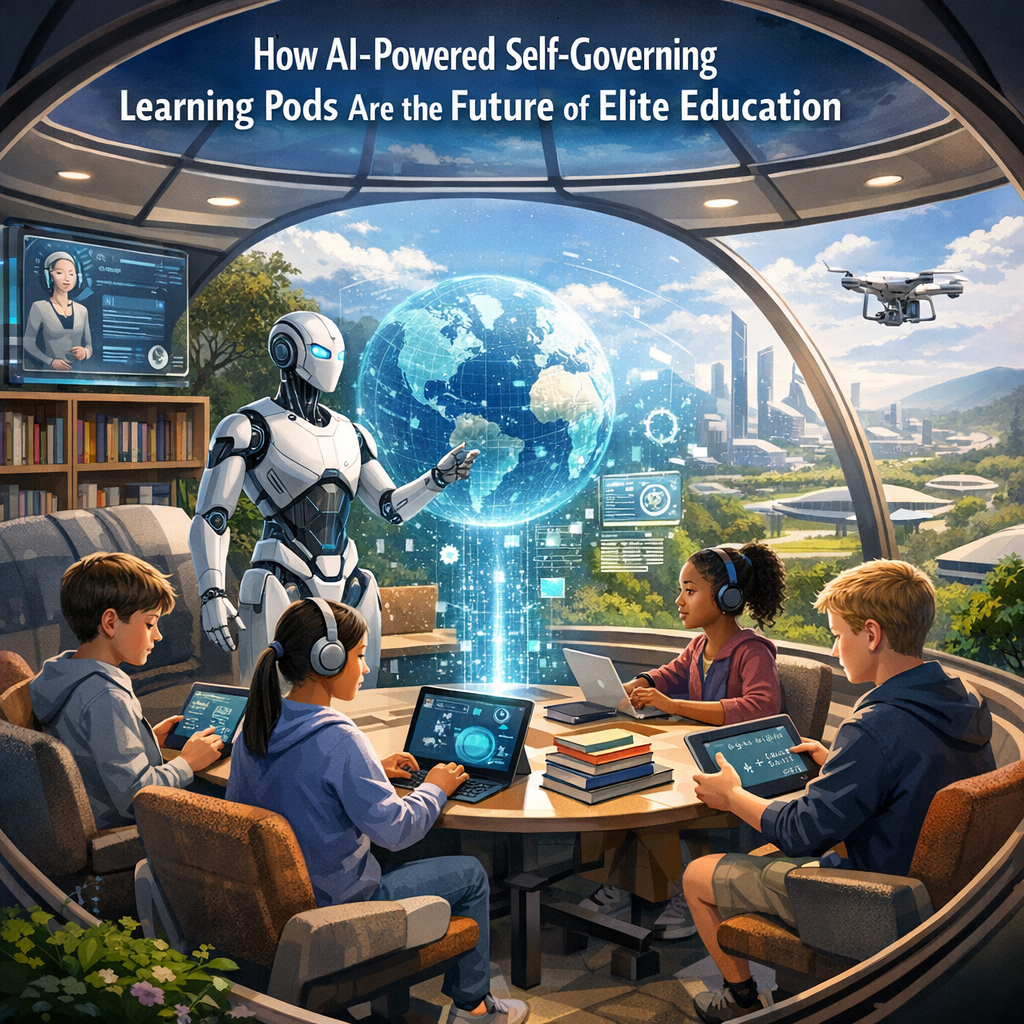
On a broader scale, quantum technology could reshape elite educational institutions, allowing new curricula focused on 21st-century skills. Quantum computing might enable a deeper dive into complex subjects like advanced mathematics and physics from a younger age, leveraging simulations and models that were previously unimaginable. Additionally, the technology’s analytical capabilities could refine educational research, providing invaluable insights into cognitive development, optimizing teaching methodologies, and potentially bridging the gap between diverse learning needs.
Transformative Insights from Professional Studies
The potential impact of quantum computing on education and child development is supported by various forward-looking studies and models. The University of Maryland and IBM, for instance, have spearheaded research initiatives exploring quantum computing’s applications in early child cognitive development. The hypothesis is that quantum algorithms can simulate neural processes in ways that mirror natural brain development, offering insights into early education techniques (Maryland Quantum Institute Research Papers).
Similarly, a study by the Massachusetts Institute of Technology delved into new possibilities for adaptive learning technologies that leverage quantum computing. The results suggest that personalized learning experiences, powered by data-rich environments, could be within reach, drastically improving educational outcomes (MIT Technology Review).
On the cognitive side, a study published in the journal “Nature Physics” demonstrated how quantum computing could support research into brain connectivity and cognitive disorders, ensuring better-targeted interventions in neurodevelopmental challenges. This holds particular promise in refining approaches to disorders like autism spectrum disorder and ADHD, providing a future where education is individualized to a degree unmatched today (Nature Physics Journal).
Beyond direct educational frameworks, institutions such as Stanford University are exploring quantum computing’s role in enhancing collaborative problem-solving skills. Quantum entanglement, a concept foundational to quantum computing, offers insights into team-based dynamics and critical thinking skills, crafting elite education that prepares children for complex systemic challenges (Stanford University Quantum Research).
Conclusion
While quantum computing in education is still an emerging field, the potential it holds for revolutionizing child development and elite education is unmatched. With research underway and technologies evolving, parents of means have an unprecedented opportunity to harness these advancements, crafting educational experiences that are truly ahead of the curve. As these developments unfold, the journey toward a smarter, more interconnected educational future begins today.
“`

Dominic E. is a passionate filmmaker navigating the exciting intersection of art and science. By day, he delves into the complexities of the human body as a full-time medical writer, meticulously translating intricate medical concepts into accessible and engaging narratives. By night, he explores the boundless realm of cinematic storytelling, crafting narratives that evoke emotion and challenge perspectives. Film Student and Full-time Medical Writer for ContentVendor.com