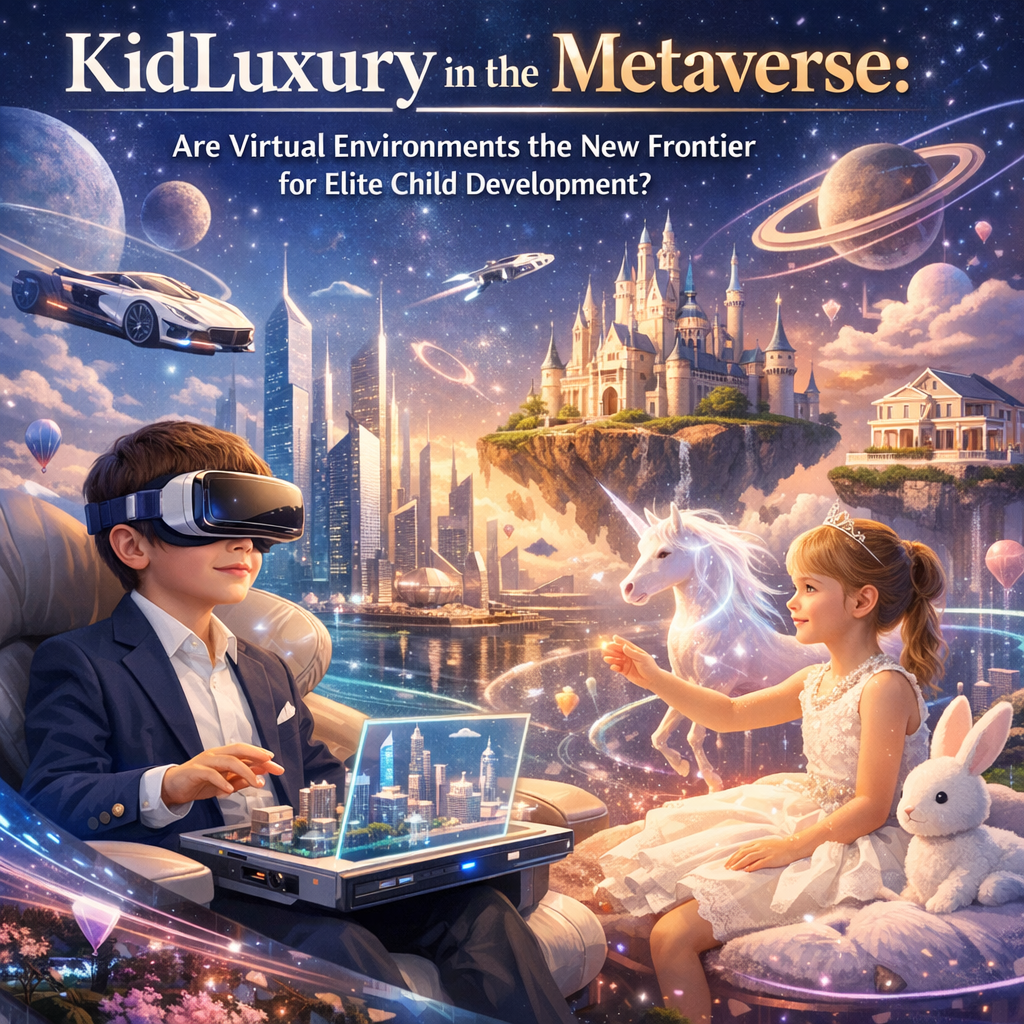
KidLuxury in the Metaverse: Are Virtual Environments the New Frontier for Elite Child Development?
Introduction
In a rapidly evolving technological landscape, the concept of luxury is being redefined, moving beyond tangible items to include experiences and environments that offer transformative engagement. As the digital world expands, the metaverse is emerging as a new frontier, offering unique opportunities for innovation in child development. For parents of means focused on nurturing well-rounded, intellectually curious, and emotionally resilient children, exploring the potential of virtual environments could hold the key to unlocking new pathways of growth and learning.
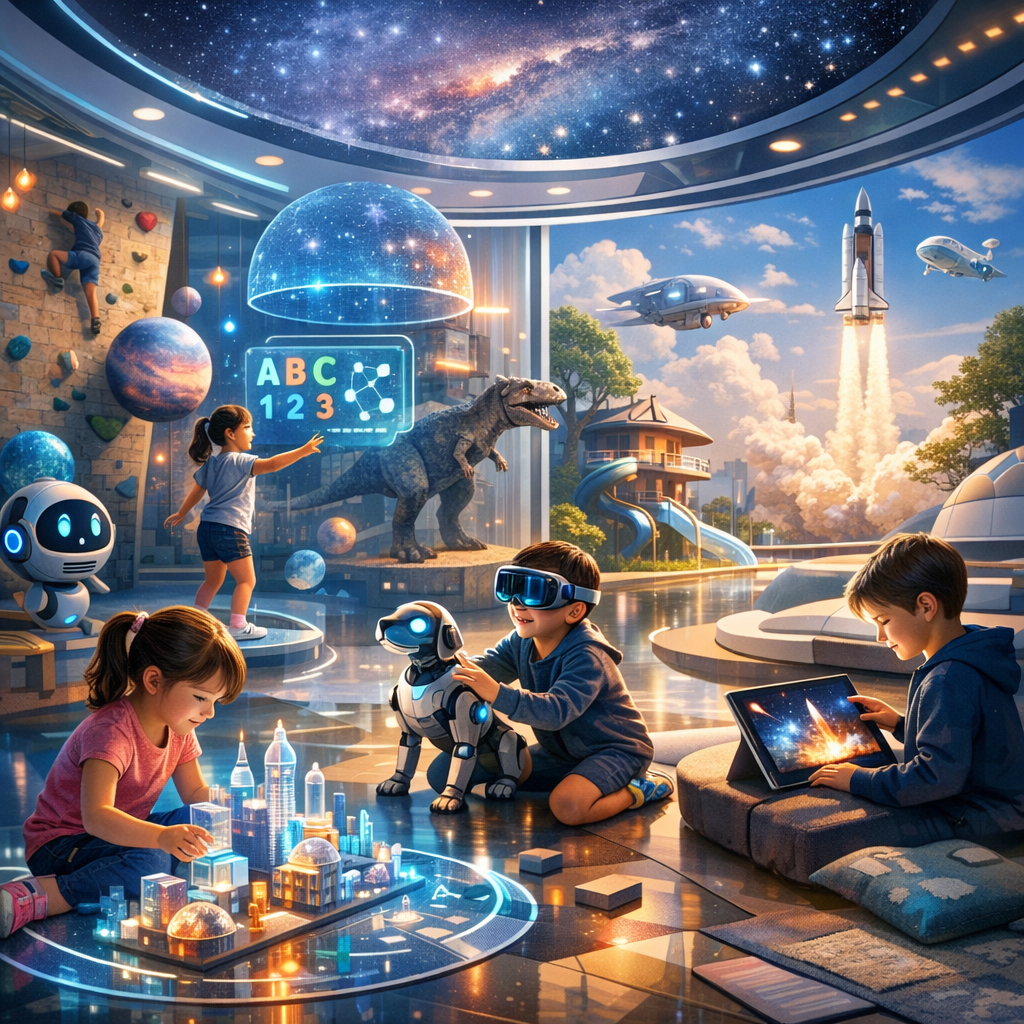
The metaverse is a collective virtual shared space, created by the convergence of virtually enhanced physical reality and persistent virtual reality, encompassing a variety of digital platforms. It offers more than just immersive experiences; it’s a burgeoning ecosystem of education, play, and social interaction that could reshape the way children learn and develop. In a space where creativity meets cutting-edge technology, the metaverse offers a world where children can learn complex problem-solving, coding, art, music, and social skills in environments tailored to their specific interests and learning styles.
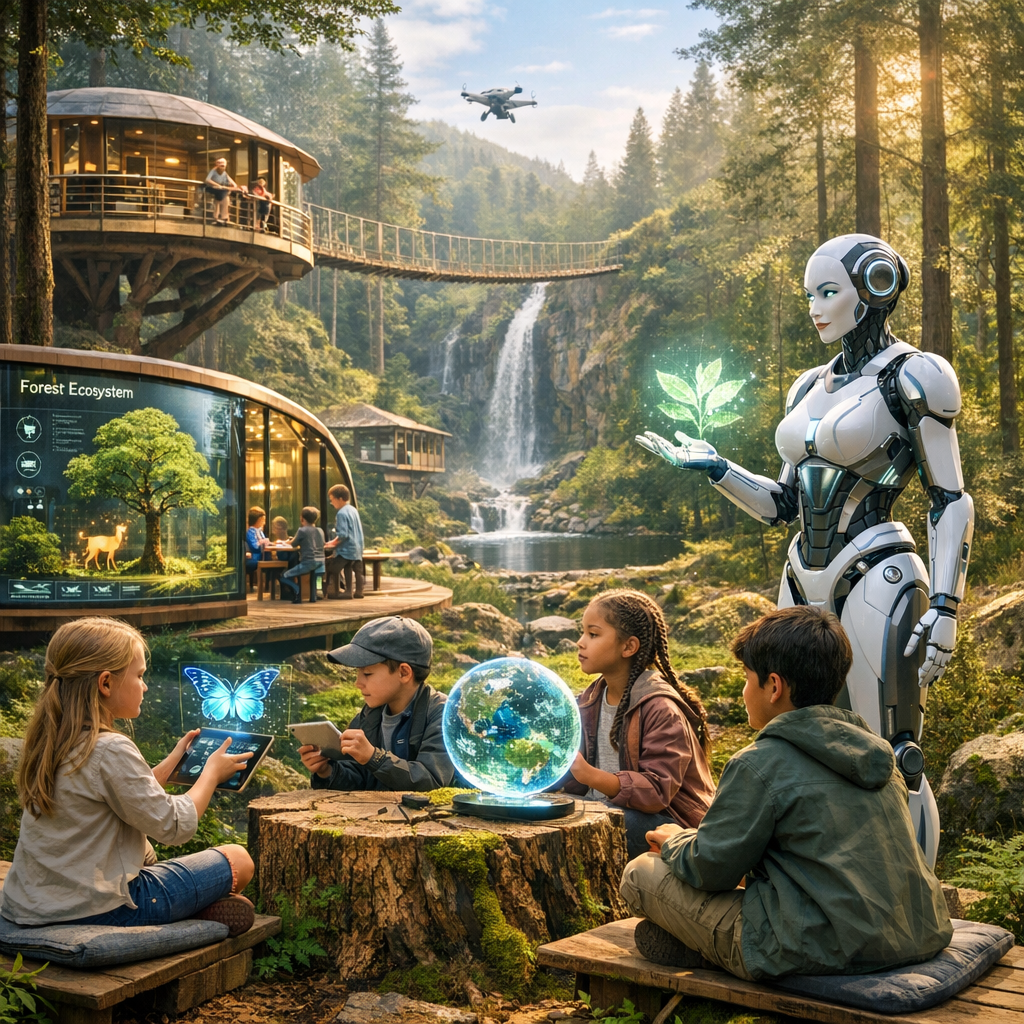
For parents of means, the advantages of integrating the metaverse into their children’s developmental journey are apparent. Access to elite virtual environments, designed and supervised by leading educators and psychologists, offers bespoke learning experiences that go beyond traditional methods. Children can embark on digital field trips to historical sites, participate in live science experiments, or engage in global cultures all from the comfort of their homes.
However, the notion of raising children in the metaverse comes with its own set of challenges and considerations. Concerns regarding screen time, online safety, and the quality of virtual content are pivotal in navigating this digital frontier responsibly. Furthermore, the digital divide highlights the inequalities in access to such innovative learning tools, making it imperative for policymakers, educators, and technology creators to ensure equitable access.
Features: Research and Studies
The integration of virtual environments in child development is not a mere trend but is supported by a range of professional and academic studies. According to research conducted by the [Joan Ganz Cooney Center at Sesame Workshop](https://joanganzcooneycenter.org/), digital play and learning have the potential to foster significant cognitive growth in children. The center’s studies emphasize that when children engage with interactive technologies, they can develop critical thinking skills, mitigate stress, and enhance creativity.
Moreover, a paper published in the journal [*Computers in Human Behavior*](https://www.sciencedirect.com/science/article/abs/pii/S0747563218305732) highlights that educational virtual environments can improve children’s spatial awareness, increase motivation, and boost engagement in learning activities. The study demonstrates how gamified learning platforms in the metaverse can potentially increase retention rates by making learning a thrilling experience rather than a mundane task.
Esteemed child psychologist [Dr. Laurie Hollman](https://www.psychologytoday.com/us/contributors/laurie-hollman-phd) argues that virtual environments, when used judiciously, can help children build resilience by exposing them to diverse scenarios and complex situations in a risk-free manner. This exposure is crucial for emotional development, allowing children to experiment with different outcomes and learn from their experiences without real-world consequences.
On the other hand, the [American Academy of Pediatrics](https://publications.aap.org/pediatrics/article/138/5/e20162591/58293/Media-Use-in-School-Aged-Children-and-Adolescents) provides guidelines on screen time, emphasizing the importance of balance and moderation in technology use. The organization suggests that virtual play should complement—rather than replace—physical and outdoor activities to ensure a holistic development approach.
Conclusion
As we stand on the cusp of a digital revolution, understanding the potential of the metaverse in child development is crucial for forward-thinking parents. By offering unique learning experiences and opportunities for creativity, virtual environments can play an essential role in elite child development. However, it is essential to approach this new frontier with cautious optimism, balancing the innovative potential with responsible usage to ensure that children gain the maximum benefit from this powerful technology.
Through ongoing research and careful implementation, the metaverse could indeed become the playground of the future, where imagination and technology combine to create unparalleled opportunities for learning and growth.
For further exploration on raising children in digital environments, visit the [Harvard T.H. Chan School of Public Health](https://www.hsph.harvard.edu/) and explore more of our content here at [kidluxury.com](https://www.kidluxury.com).

Dominic E. is a passionate filmmaker navigating the exciting intersection of art and science. By day, he delves into the complexities of the human body as a full-time medical writer, meticulously translating intricate medical concepts into accessible and engaging narratives. By night, he explores the boundless realm of cinematic storytelling, crafting narratives that evoke emotion and challenge perspectives. Film Student and Full-time Medical Writer for ContentVendor.com