Unlocking Genius: Designing Minds for a Future Dominated by AI
Introduction
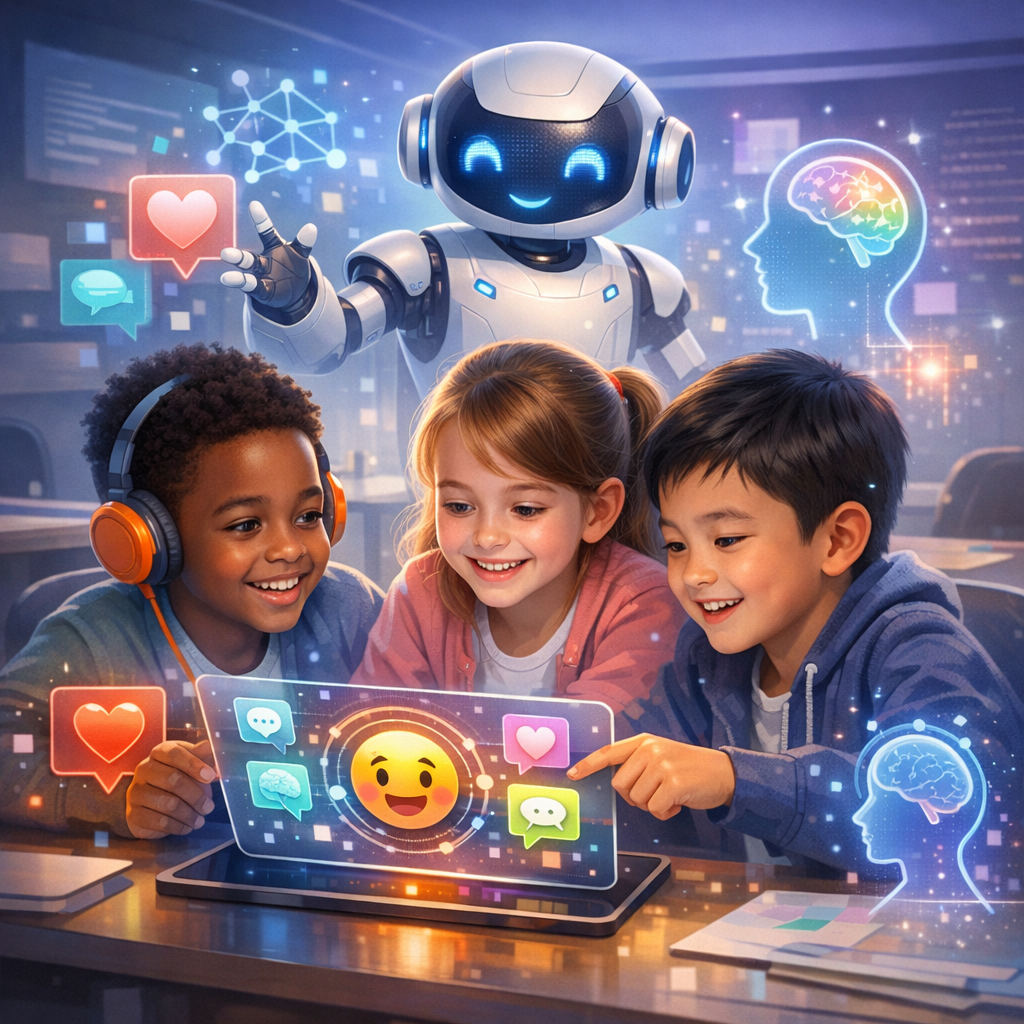
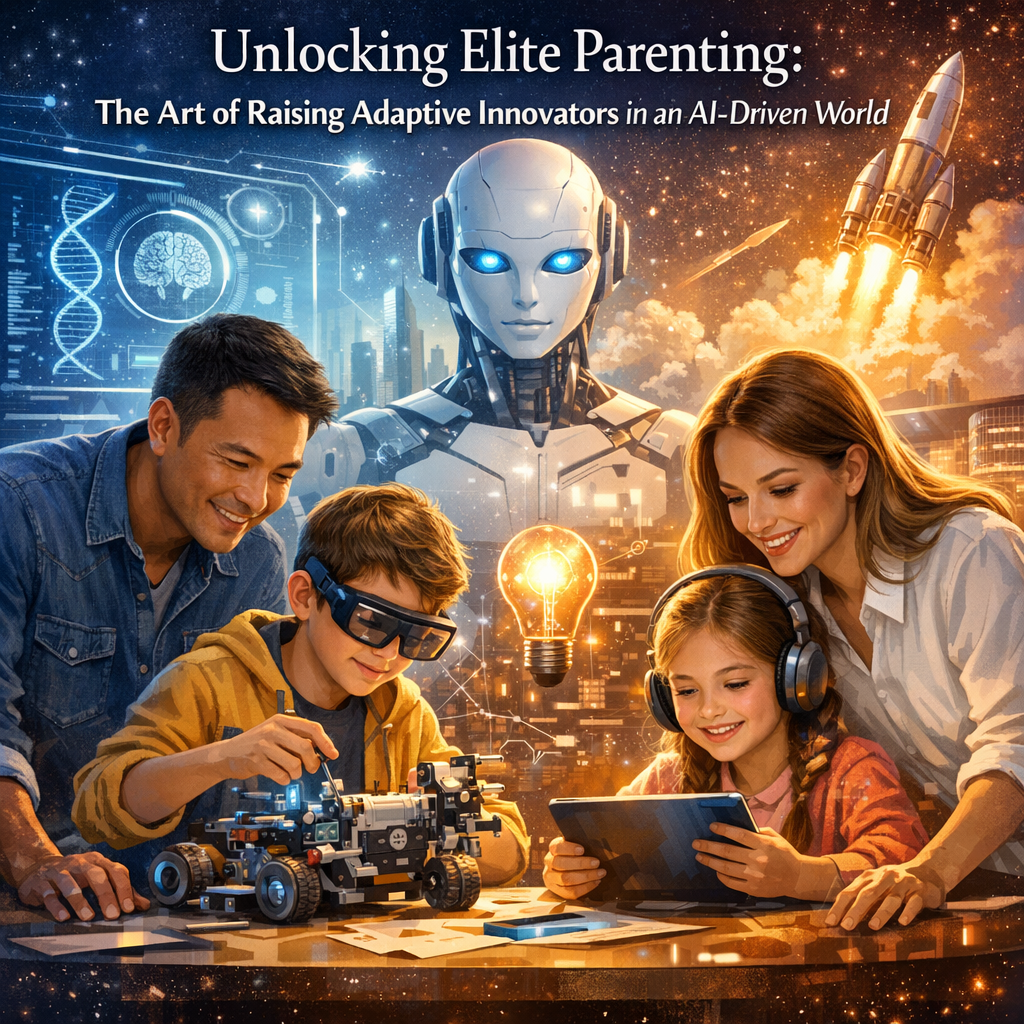
In a world where technology relentlessly reshapes every aspect of our daily lives, the rise of Artificial Intelligence (AI) stands as both a formidable force and a boundless opportunity. AI is not merely woven into the fabric of advanced industries but has also seeped into the realm of childhood learning and development. As parents of means, seated at the intersection where resources meet opportunity, there lies a pivotal question: How do we prepare our children’s minds for a future dominated by AI?
The answer transcends conventional education. Designing young minds for an AI-centric future involves nurturing creativity, critical thinking, and emotional intelligence. These traits will be invaluable in a landscape where repetitive tasks are automated, allowing human ingenuity to shine. Today’s children will inherit a world where AI systems might predict economic trends or diagnose diseases more accurately than humans. Yet, uniquely human attributes such as empathy, imagination, and innovation cannot be replicated by machines.
To equip children for this future, parents must invest in environments that promote cognitive and emotional resilience. Educational models are shifting from rote memorization to frameworks that encourage problem-based learning and interdisciplinary approaches. Institutions from prestigious boarding schools to cutting-edge independent academies are already weaving AI technology into their curricula, offering children early exposure to its potential and ethical considerations.
Moreover, the role of luxury in education has evolved. It’s not just about providing state-of-the-art technology but curating enriched experiences that open paths to self-discovery. Exposing children to cultural diversity, historical perspectives, and global challenges are crucial in broadening their understanding. Language acquisition, arts, music, and philosophy are no longer seen as mere extracurricular activities but critical components of a well-rounded education.
As we stand on the brink of an AI-driven era, preparing our children means more than technical competence. It’s about fostering a generation that can harness technology purposefully and compassionately, ensuring they are not just participants but pioneers.
Features
Scientific and academic studies underscore the necessity of preparing young minds for an AI future. The World Economic Forum’s 2020 Future of Jobs Report highlights that critical thinking, creativity, and complex problem-solving will be among the top ten skills required of the workforce in 2025. These skills foster innovation, enabling humans to complement rather than compete with AI technologies.
Moreover, according to research from the Massachusetts Institute of Technology (MIT), early exposure to AI-related concepts can bolster children’s logical thinking and problem-solving abilities. MIT’s Media Lab is at the forefront, studying how children understand and interact with AI systems. Their findings suggest that children who engage with AI educational tools often develop a better grasp of abstract concepts.
The development of emotional intelligence (EI) is equally paramount. Daniel Goleman, a psychologist and science journalist, emphasizes in his work that EI is a better predictor of success than traditional measures of intelligence. As AI continues to revolutionize various sectors, human skills like empathy and social intelligence become invaluable as they can’t be reproduced by machines. Studies published in the Harvard Business Review reveal that high performers exhibit emotional intelligence in key areas such as adaptability, self-awareness, and the capacity for collaboration.
Medical studies also play a significant role in shaping future-ready education. For example, brain development research conducted at Harvard’s Center on the Developing Child outlines the importance of fostering a child’s executive function skills, which include working memory and cognitive flexibility. These competencies are critical for nurturing a child’s ability to adapt to rapidly changing environments—a skill that will be crucial in a world interwoven with AI.
Conclusion
As parents, investing in our children’s holistic development is the cornerstone of unlocking their potential in an AI-driven future. By encouraging creativity, emotional intelligence, and a strong ethical foundation, we are not only preparing our children to coexist with AI but also empowering them to lead with empathy and innovation. In doing so, we unlock the genius within them, shaping a world where technology elevates humanity.
References
1. [Future of Jobs Report 2020](https://www.weforum.org/reports/the-future-of-jobs-report-2020) – World Economic Forum
2. [MIT Media Lab](https://www.media.mit.edu/) – Massachusetts Institute of Technology
3. [Daniel Goleman’s Books on Emotional Intelligence](https://www.danielgoleman.info/) – Daniel Goleman
4. [Center on the Developing Child](https://developingchild.harvard.edu/) – Harvard University
5. [“Emotional Intelligence” in Harvard Business Review](https://hbr.org/topic/emotional-intelligence) – Harvard Business Review

Dominic E. is a passionate filmmaker navigating the exciting intersection of art and science. By day, he delves into the complexities of the human body as a full-time medical writer, meticulously translating intricate medical concepts into accessible and engaging narratives. By night, he explores the boundless realm of cinematic storytelling, crafting narratives that evoke emotion and challenge perspectives. Film Student and Full-time Medical Writer for ContentVendor.com