Building the Next Einstein: The Role of AI-Powered Brain Training in Early Childhood Development
Introduction
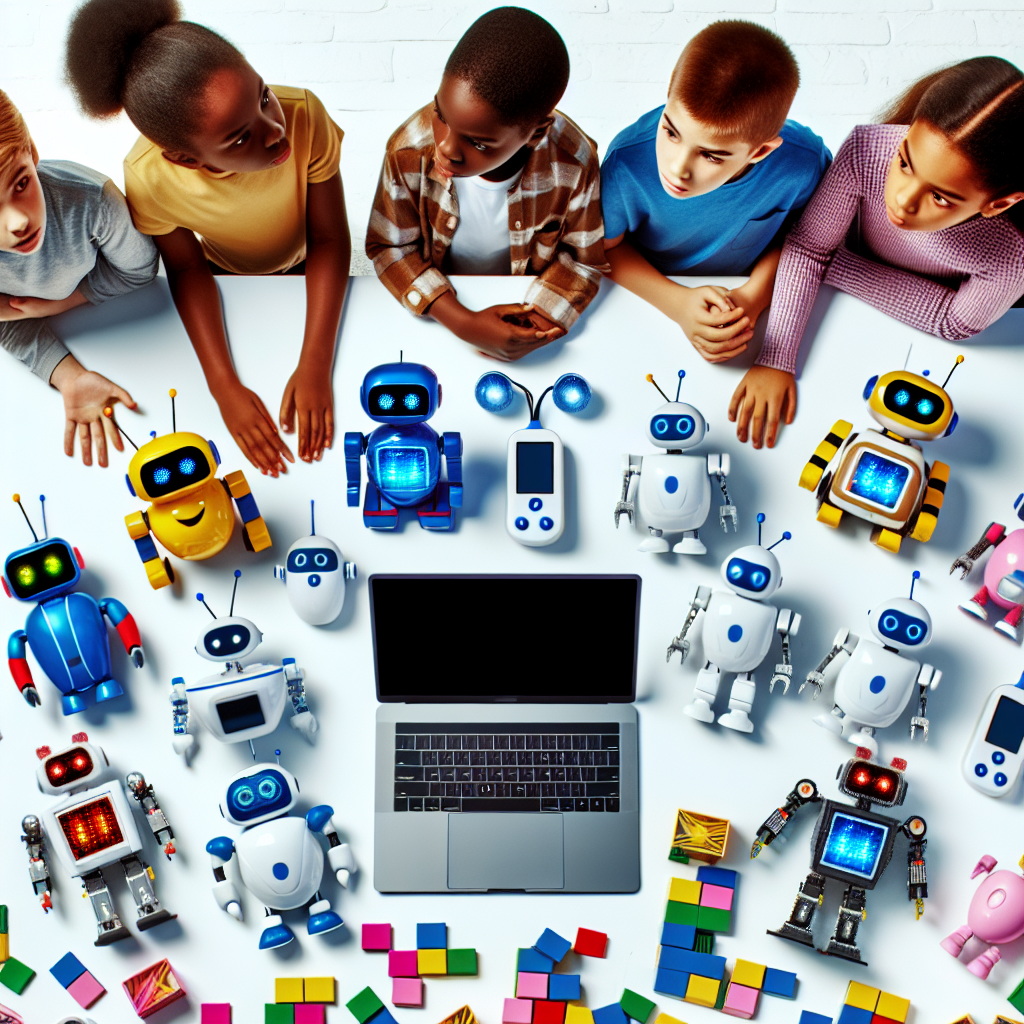
In today’s rapidly evolving technological landscape, parents are inundated with a plethora of educational tools and resources promising to enhance their children’s cognitive development. Among these innovative solutions, AI-powered brain training stands out as a compelling and transformative approach. While the idea of harnessing artificial intelligence to nurture young minds may sound like a concept ripped from the pages of a science fiction novel, it is rapidly gaining traction as a powerful ally in early childhood education.
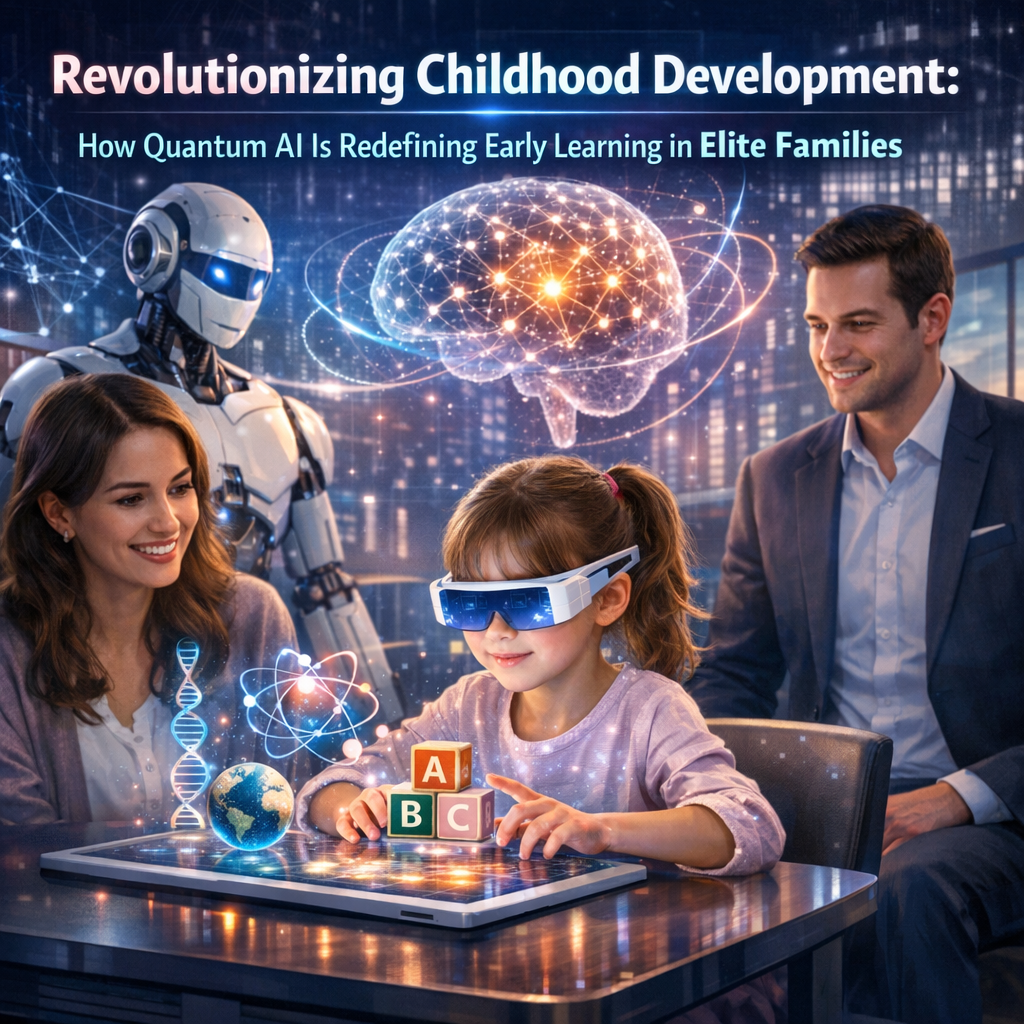
The importance of the formative years in a child’s development cannot be overstated. According to [research](https://www.cdc.gov/ncbddd/childdevelopment/index.html), a child’s brain develops more than at any other time in their life during the first five years. This period lays the foundation for future learning, behavior, and health. Sixty percent of a child’s energy in their early years goes into brain development, setting critical biological and neurological patterns that will carry forward in life. Parents, caregivers, and educators have long sought methods to maximize the potential of these crucial years, and AI-powered brain training may be the key to unlocking unprecedented levels of cognitive growth and genius potential.
At its core, AI-powered brain training leverages advanced algorithms and machine learning to offer personalized and adaptive learning experiences. These platforms can quickly assess a child’s cognitive strengths and weaknesses, offering tailored exercises to target specific developmental needs. Through engaging, interactive activities, AI can stimulate neural pathways, enhance problem-solving skills, and nurture creativity. This ensures not only a solid foundation for academic success but also equips children with the tools they need to become innovative thinkers and future leaders.
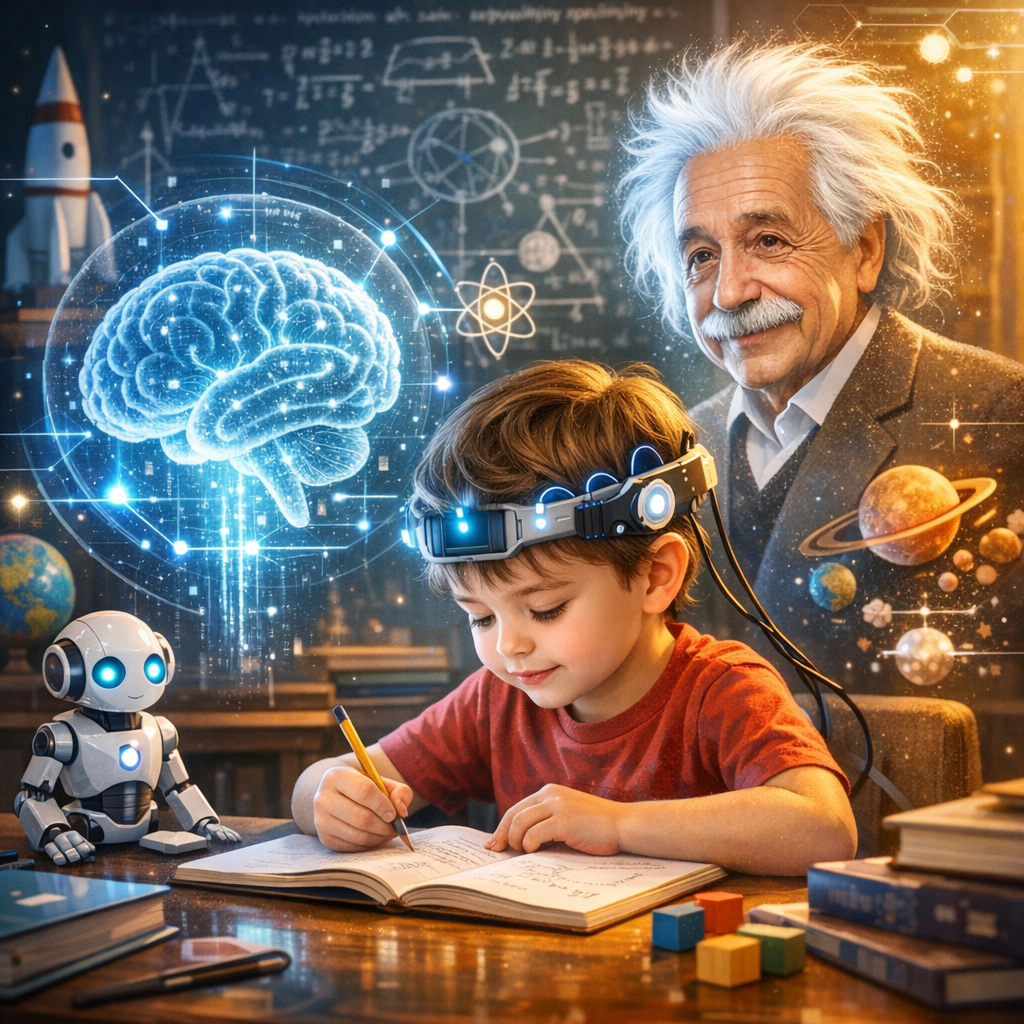
While the promise of potentially developing the next Einstein is enticing, it also raises important questions about the ethical implications and possible repercussions of relying heavily on technology in early childhood education. Thus, as we delve deeper into the efficacy and role of AI in brain development, we must understand both the potential benefits and challenges of these systems.
Features
The potential of AI-powered brain training is supported by various studies and research initiatives. A study conducted by the [National Academy of Sciences](https://www.nas.edu) explored the impact of AI-driven educational interventions on early childhood development. The results indicated that AI platforms significantly improved memory and critical thinking skills among children aged 4-7. Another renowned study by [Carnegie Mellon’s Human-Computer Interaction Institute](https://www.cmu.edu/news/stories/archives) revealed that children exposed to AI-powered educational tools showed marked improvement in language processing, pattern recognition, and spatial understanding.
Moreover, AI algorithms are designed to evolve with the child, continuously adapting the learning experience as the child’s skills develop. This dynamic approach means that the training remains effective and relevant throughout different stages of early childhood, thereby maximizing the time-sensitive window when the brain is most malleable and responsive to external stimuli.
Medically, there has been a growing acceptance of AI-based interventions to aid in brain development. Neuroplasticity studies — the brain’s ability to change and adapt as a result of experience — suggest that targeted exercises propelled by AI can stimulate the development of synapses, which are crucial for cognitive flexibility and function. These findings echo the principles behind widely-accepted early childhood educational practices, which prioritize experiential learning and exposure to new stimuli to foster brain growth.
Another critical aspect where AI shines is in providing insights into individual learning processes. As algorithms gather data on how children interact with the material, patterns and preferences emerge, allowing educators and parents to tailor further learning experiences to fit the unique needs and interests of each child. This personalized approach is particularly beneficial for atypically developing children or those with learning disabilities, where traditional education models may not suffice.
Despite its promise, the integration of AI in early childhood education requires careful ethical consideration. Concerns about data privacy, screen time, and the potential for over-reliance on technology need to be addressed to ensure that the benefits of AI-powered brain training are realized without compromising the holistic development of the child.
Conclusion
Incorporating AI-powered brain training into early childhood development represents a promising frontier in education. It offers an adaptive, personalized approach to nurturing young minds, preparing children for a future where technological fluency and innovative thinking will be paramount. However, it is essential for parents and educators to balance these cutting-edge tools with human interaction and play-based learning to foster well-rounded development. By doing so, we can harness the full potential of these technological advances, possibly paving the way for the emergence of the next generation of great thinkers.
References
1. [Centers for Disease Control and Prevention](https://www.cdc.gov/ncbddd/childdevelopment/index.html)
2. [Zero to Three](https://www.zerotothree.org/resources/series/brain-development)
3. [National Academy of Sciences](https://www.nas.edu)
4. [Carnegie Mellon University](https://www.cmu.edu/news/stories/archives)
5. [Harvard University](https://developingchild.harvard.edu/resources/brain-architecture)

Dominic E. is a passionate filmmaker navigating the exciting intersection of art and science. By day, he delves into the complexities of the human body as a full-time medical writer, meticulously translating intricate medical concepts into accessible and engaging narratives. By night, he explores the boundless realm of cinematic storytelling, crafting narratives that evoke emotion and challenge perspectives. Film Student and Full-time Medical Writer for ContentVendor.com