Raising Future Innovators: How AI-Driven Cultural Immersion is the New Elite Education Frontier
Introduction
In the competitive world of elite education, parents with the means are continually seeking innovative methods to ensure their children not only keep up with global trends but lead them. Traditional education maintains its importance, yet the dynamic nature of our global society demands more forward-thinking approaches. Enter AI-driven cultural immersion—an avant-garde educational experience that is gaining traction among families looking to cultivate future innovators.
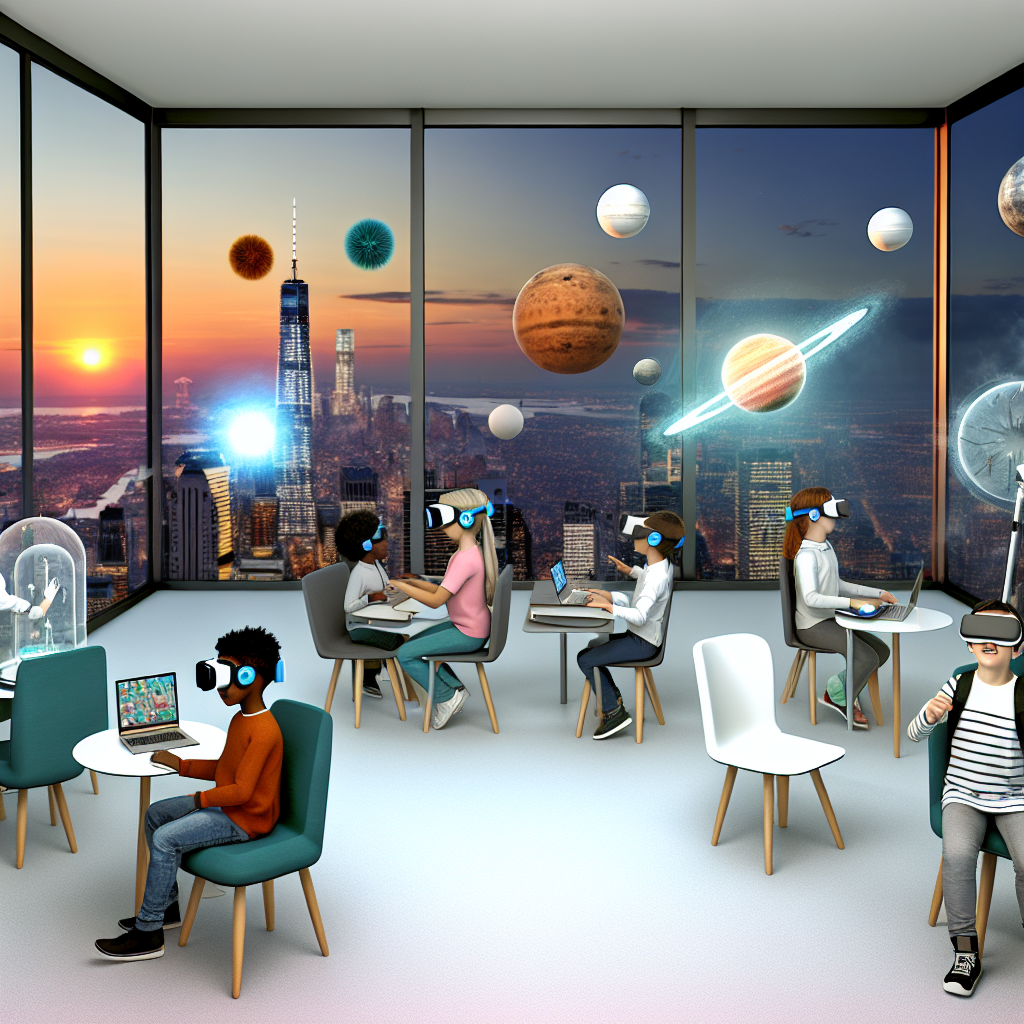
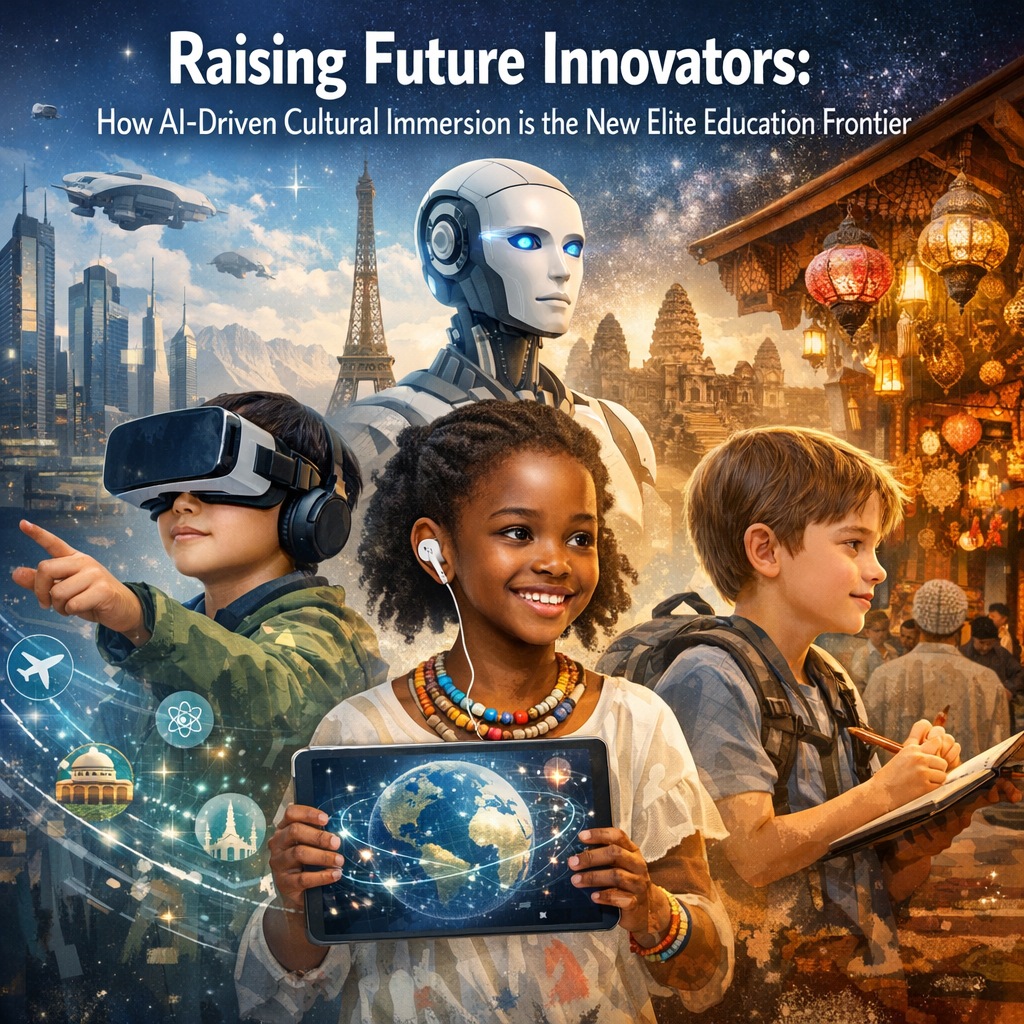
As artificial intelligence (AI) revolutionizes countless industries, its potential in education is vast and largely untapped. Unlike conventional curricula confined within classroom walls, AI-driven cultural immersion leverages technology to break geographical barriers, offering students a world-class education that’s both personalized and globally aware. Through virtual reality (VR) and augmented reality (AR), language translation algorithms, and AI-powered cultural simulations, children can engage with global cultures in immersive, interactive ways previously unimaginable. This new approach not only boosts cognitive skills and cultural understanding but also prepares children to thrive as leaders in a multicultural world.
This forward-thinking educational model emphasizes experiential learning, moving beyond rote memorization to embody real-world applications. Children learn by experiencing history as if they were present, exploring the complexities of different social norms, and conversing in multiple languages with ease. The combination of AI’s adaptability and the depth of cultural contexts offers a profound impact on learners, stimulating curiosity, empathy, and global awareness. Moreover, as AI learns from each student’s interactions, it tailors the experience to their unique learning style, maximizing engagement and empowerment.
For affluent parents intent on investing in their child’s future, AI-driven cultural immersion represents a paradigm shift. It aligns with the values of continuous learning, adaptability, and leadership, equipping their children to navigate and influence the global landscape. But what does the research say about this exciting frontier? Let’s delve into the studies underpinning this transformative approach to education.
Features
AI-driven cultural immersion is not just a fanciful idea; it has been validated by research and pioneering studies. One influential study from the [Journal of Educational Technology & Society](https://www.j-ets.net/) examined the impact of AI and VR in educational settings. It found that students engaging with VR and AI-driven technologies displayed increased motivation, improved language skills, and heightened cultural empathy. The interactive nature of these technologies addressed various learning styles, making education more inclusive and effective.
Further supporting this, research by [Stanford University’s Virtual Human Interaction Lab](https://vhil.stanford.edu/) underscores the effectiveness of VR and AI in enhancing empathetic understanding of different cultures. Their findings revealed that students who participated in AI-driven cultural simulations showed a marked improvement in their ability to empathize with and understand diverse cultural perspectives. This ability to view the world through various lenses is crucial in developing the innovative thinkers of tomorrow.
Moreover, the use of AI in personalized learning environments has been researched extensively by the [Institute of Education Sciences](https://ies.ed.gov/). Their studies suggest that personalized AI-supported learning pathways can significantly enhance educational outcomes by adapting content to meet the specific needs and pace of individual learners. This personalization ensures students remain engaged and challenged, promoting optimal cognitive development.
Additionally, the [World Economic Forum](https://www.weforum.org/) highlights that AI-driven education can close cultural gaps by providing language learning tools enhanced with real-time translations and localized narratives, thus fostering multilingualism. This immersion propels students into becoming global citizens—prioritizing collaboration, innovation, and adaptability.
Conclusion
AI-driven cultural immersion stands as a beacon for the future of elite education. As we advance into an increasingly interconnected world, equipping children with the skills to navigate and contribute to it effectively is paramount. By embracing AI as a tool for immersive cultural learning, parents are poised to raise a generation of innovators—individuals who understand and appreciate the complexities of our global society and are prepared to lead within it. As this educational frontier continues to evolve, it heralds a new era of limitless possibilities for tomorrow’s leaders.

Dominic E. is a passionate filmmaker navigating the exciting intersection of art and science. By day, he delves into the complexities of the human body as a full-time medical writer, meticulously translating intricate medical concepts into accessible and engaging narratives. By night, he explores the boundless realm of cinematic storytelling, crafting narratives that evoke emotion and challenge perspectives. Film Student and Full-time Medical Writer for ContentVendor.com