Customized Learning Environment Design: Elevating Educational Spaces for the Modern Child
Introduction
As parents of means, you understand that excellence in your child’s development requires more than just access to premium education—it demands a personalized, holistic approach that nurtures both intellect and individuality. Welcome to the future of elite childhood education: Customized Learning Environment Design. In a world where customization is synonymous with luxury, applying the same bespoke philosophy to your child’s learning space is not only a reflection of parental sophistication but also a catalyst for academic and emotional success.
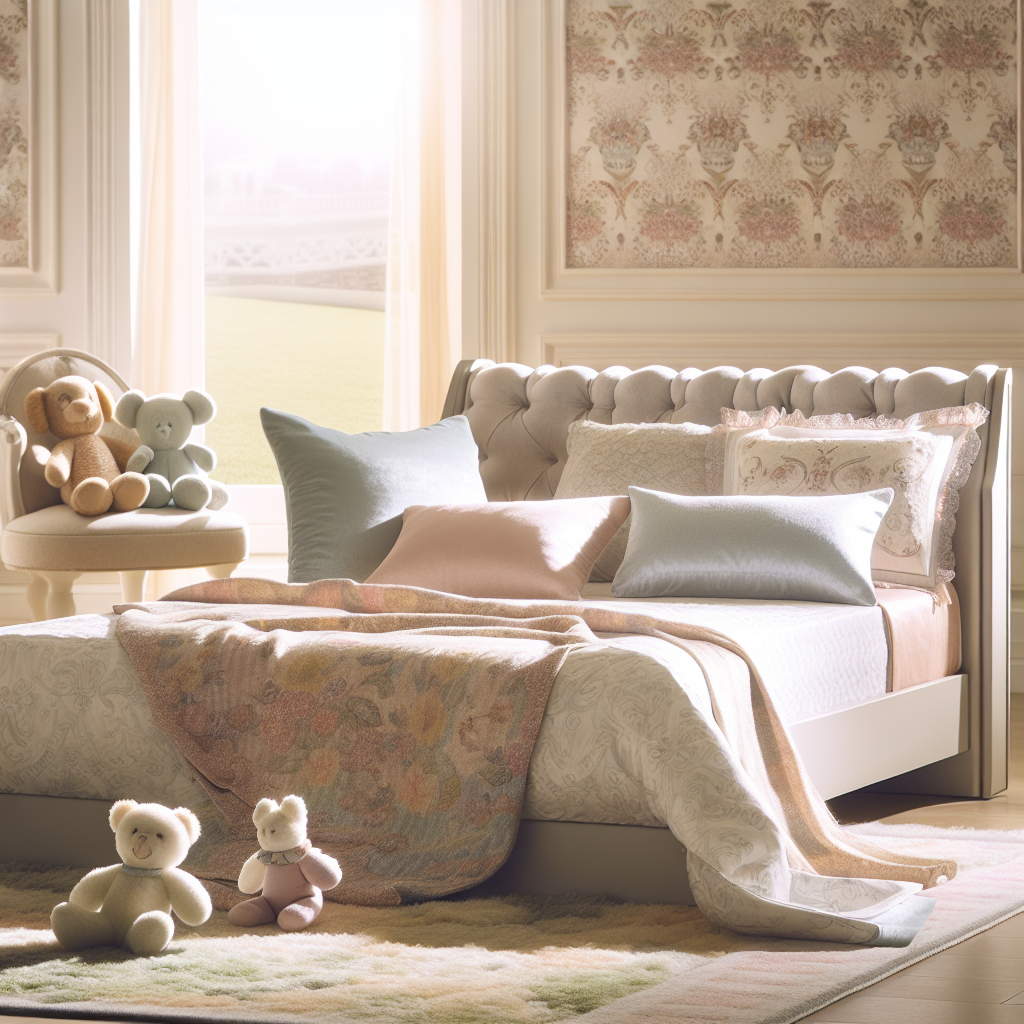
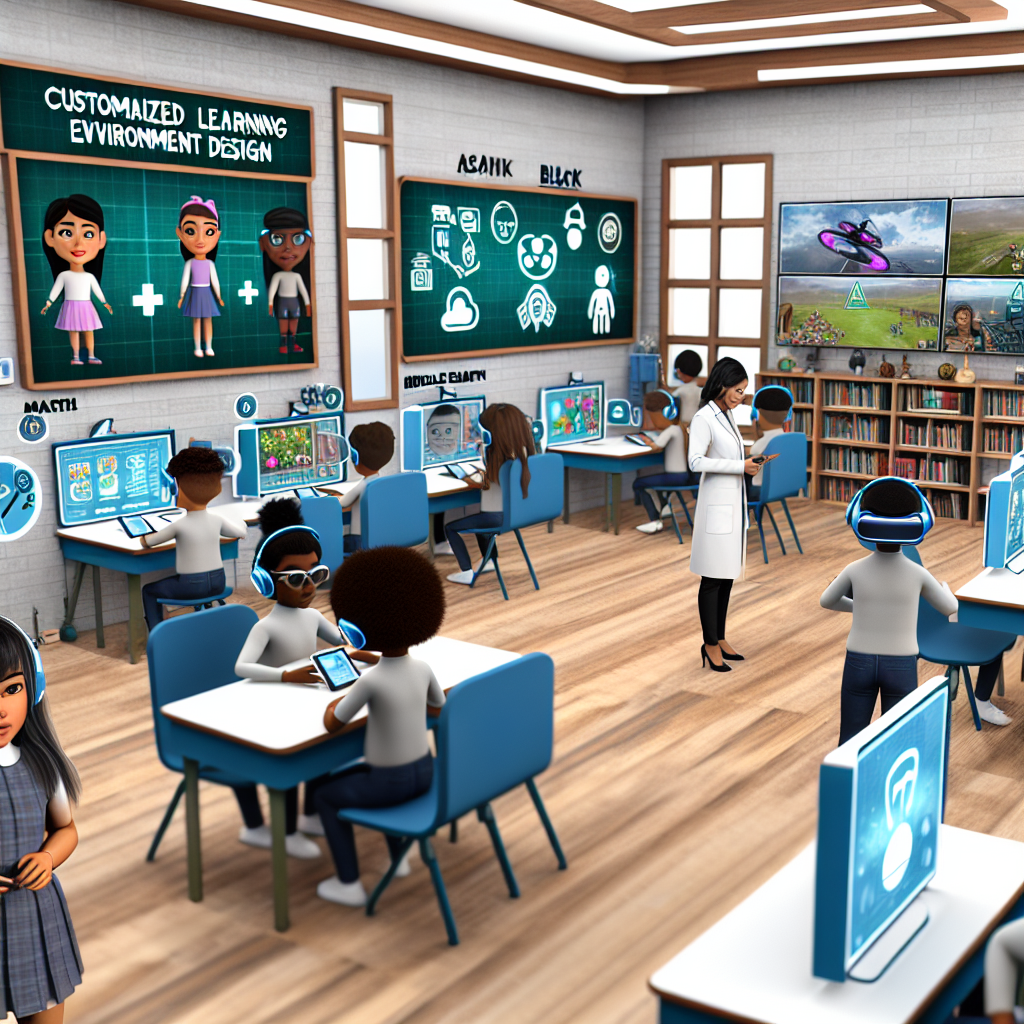
Customized learning environments are thoughtfully curated spaces that align with a child’s cognitive development, interests, and sensory preferences. Drawing from the disciplines of educational psychology, architecture, interior design, and neuroscience, these highly individualized environments ensure that every element—from lighting and acoustics to ergonomic furniture and tech integration—works in harmony to optimize learning outcomes.
More than just stylish decor, these spaces emphasize functionality and responsiveness. Whether in the form of an in-home learning studio, a tailored homeschooling room, or a private study overlooking landscaped grounds, these learning environments are free of distractions and layered with purpose. They cater to multiple learning modalities—visual, auditory, and kinesthetic—and foster spatial and emotional well-being.
For high-net-worth families who often travel or reside in multiple locations, customized learning environments can also provide a sense of consistency and security for the child, acting as a grounding influence amid lifestyle transitions. With innovations in smart design, AI-driven learning tools, and sensory-sensitive furnishings, creating a fully customized learning realm is no longer just aspirational—it’s entirely achievable.
This curated approach signals a transformative shift in how luxury parenting views education: from passive enrollment to purposeful engagement. When learning is tailored to the precise needs and passions of your child, education evolves beyond the traditional classroom, becoming a deeply personal and enriching experience. As stewards of your child’s future, investing in a customized learning environment transcends aesthetics—it fosters lifelong habits of curiosity, confidence, and critical thinking.
Features and Supporting Studies
Customized learning environment design isn’t merely a trend among affluent families—it’s backed by substantial research supporting its effectiveness in enhancing cognitive performance, emotional well-being, and concentration in children.
One cornerstone study published by the University of Salford and Nightingale Associates found that carefully designed primary school classrooms can boost academic progress in reading, writing, and math by as much as 16% in a single year. This study evaluated factors such as color, furniture, air quality, lighting, and layout and concluded that these physical characteristics had a direct impact on learning. For families committed to educational excellence, these findings emphasize the transformative potential of personalized design in a controlled environment.
Neuroscientific research further supports this approach. According to the Harvard Center on the Developing Child, the architecture of the brain is shaped by experiences, particularly in the early years. Creating sensory-rich, emotionally responsive environments accelerates neural pathway development essential for learning, memory, and behavior regulation. Incorporating adaptive elements such as flexible seating, tactile wall panels, and scent-free hypoallergenic fabrics supports this brain-based development in subtle yet powerful ways.
Moreover, cognitive-behavioral theories suggest that when children feel ownership over their study environment, they become more engaged and autonomous in their education. Encouraging design input from the child—whether choosing wall art, desk color, or layout preferences—can foster a sense of control and boost motivation. A 2020 study by the American Psychological Association found that autonomy-supportive settings, especially in younger years, are directly correlated with long-term academic resilience and self-regulation.
From a wellness standpoint, environmental design significantly influences psychological health. The WELL Building Standard highlights the importance of natural light, biophilic design (nature-inspired elements), and acoustic optimization in cognitive function and stress reduction. These principles are particularly crucial for highly-sensitive or neurodivergent children who require tailored sensory environments to flourish.
Advanced smart home technologies now allow for automations that adjust lighting, sound, and temperature to suit the time of day and cognitive load. AI-integrated desks, whiteboards that record notes, and AR-enhanced bookshelves bring a new dimension to customized learning that elevates motivation and interactivity. These technologies aren’t just luxurious—they’re powerful tools that keep pace with your child’s evolving academic journey.
Families can collaborate with a range of professionals to bring these visions to life, including educational consultants, pediatric specialists, and design technologists. The result? Tailored learning spaces that integrate beauty, intelligence, and purpose to transform everyday education into a life-shaping journey.
Conclusion
Customized learning environment design represents more than sophistication—it is a manifestation of intentional parenting that merges design, technology, and child psychology to support holistic education. For families of means, it is an empowering opportunity to redefine what learning can look and feel like at home.
Whether your child is enrolled in world-class academies, engaged in guided homeschooling, or participating in hybrid education models, the integration of personalized, research-backed learning spaces enhances not only academic outcomes, but also emotional well-being and independence. You are not just shaping a high-performing student—you are nurturing an inspired thinker, a creative problem-solver, and a resilient individual.
In investing in a customized learning space, you’re not just adding another room; you’re crafting an environment purpose-built to ignite curiosity and harness your child’s potential. It’s not luxury for luxury’s sake—it’s an expression of how deeply you value your child’s future.
References
– Harvard University Center on the Developing Child. (2016). Key Concepts: Brain Architecture
– American Psychological Association. (2020). Children Thrive in Supportive Environments
– International WELL Building Institute. (2020). The WELL Building Standard v2
– Waldorf Education. (2022). Holistic Learning Spaces

Dominic E. is a passionate filmmaker navigating the exciting intersection of art and science. By day, he delves into the complexities of the human body as a full-time medical writer, meticulously translating intricate medical concepts into accessible and engaging narratives. By night, he explores the boundless realm of cinematic storytelling, crafting narratives that evoke emotion and challenge perspectives. Film Student and Full-time Medical Writer for ContentVendor.com