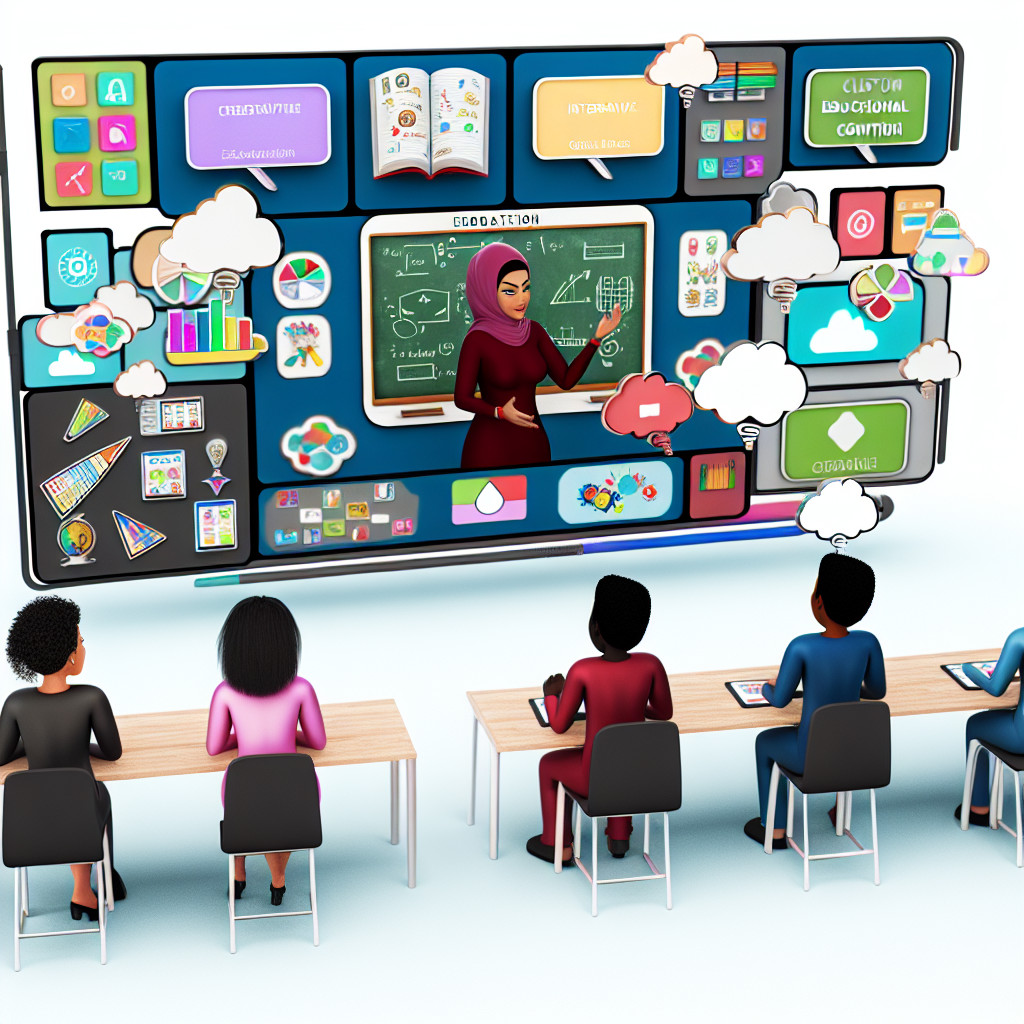
Custom Educational Content Creation: Tailored Learning for the Modern Luxury Child
Introduction
In an era defined by technology, global interconnectivity, and rapid educational advancement, customization has become the baseline expectation across all sectors of affluent living—including childhood education. For parents of means, the standard curriculum often leaves room for enhancement and personalization. Custom educational content creation is not merely a trending topic—it is a fundamental part of 21st-century luxury parenting strategy.
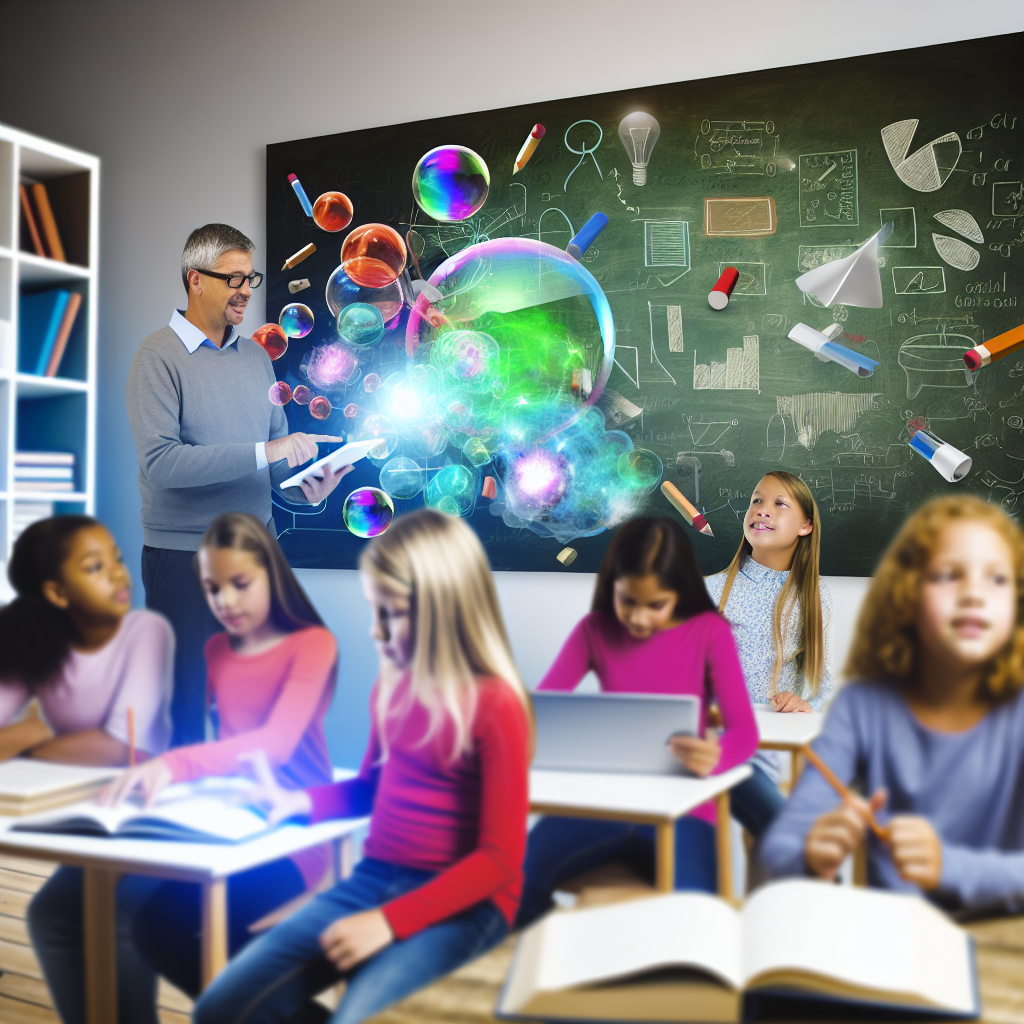
Affluent parents are no longer limiting their investments to elite schools; instead, they are designing entirely bespoke educational journeys that reflect their children’s unique talents, interests, learning styles, and long-term aspirations. These tailored experiences go beyond the traditional classroom, extending into interactive apps, private tutoring programs, immersive virtual reality experiences, and individualized lesson plans developed by subject matter experts and educational technologists.
Custom educational content is more than a rebranding of homeschooling—it is a reflection of the new truth that learning knows no boundaries. Whether supporting a multilingual curriculum, integrating advanced STEM modules, or cultivating a deep understanding of fine arts and philosophy, this personalized approach enables students to progress at their own pace in a highly engaging and self-directed way.
This model of bespoke content creation favors hands-on, experiential education over rote memorization. It embraces the concept of educating with intent by integrating resources from world-renowned institutions, private educators, and top-tier edtech platforms. Customization respects a child’s natural inclinations and developmental timing, minimizing stress while maximizing the joy and curiosity of learning—qualities that support a lifelong love of discovery and innovation.
For elite parents, customizing educational content isn’t just about pursuing academic excellence—it’s about instilling foundational values, global cultural appreciation, emotional intelligence, and personal confidence. With guidance from professional curriculum developers, pediatric neuropsychologists, and high-performance learning coaches, tailored education emerges as a transformative tool in preparing children for an expansive and evolving world.
Features and Supporting Studies
The benefits of personalized education models are backed by an increasingly robust body of interdisciplinary research spanning neuroscience, psychology, and modern pedagogy. One of the leading organizations shaping this evolution is the International Association for K–12 Online Learning (iNACOL), which offers a comprehensive framework for personalized learning systems. Their model emphasizes student agency, customized progression through competencies, and integration of real-time formative assessments—all foundational elements of custom educational design.
A notable 2020 study published in the Journal of Educational Psychology found that personalized learning pathways led to significant improvements in both academic performance and student motivation. Engagement increased by nearly 56%, and learning outcomes improved by 38% when students interacted with content specifically tailored to their needs and interests (VanLehn et al., 2020). These results lend strong support to the value of educational customization in fostering deeper student commitment and academic success.
Further support comes from neurodevelopmental studies emphasizing the importance of teaching strategies that align with individual brain function. Dr. David A. Sousa, in his influential work How the Brain Learns, outlines how brain-compatible pedagogy promotes better processing, deeper comprehension, and longer-term retention. When parents and educators apply this understanding through custom instructional design, they effectively reengineer the learning environment to resonate with the child’s neurological strengths.
The pandemic-induced shift toward at-home learning catalyzed the expansion of tools supporting custom education. Platforms such as Khan Academy, Outschool, and Sora Schools are creating modular content and adaptable lesson plans that can be aligned with a child’s unique profile of interests, goals, and academic levels. These resources often use adaptive learning technology, powered by artificial intelligence and real-time data analytics, to calibrate content difficulty dynamically (EdSurge, 2021).
Harvard Graduate School of Education’s Usable Knowledge initiative confirms the effectiveness of targeted instruction. Research indicates that when students receive continuously adapted curriculum based on diagnostic insights, they demonstrate stronger academic outcomes across all major disciplines. These findings validate affluent parents’ decisions to invest in private tutors and custom-built online content tailored specifically to their children’s potential.
In the increasingly competitive luxury education sector, custom content is being developed by a niche market of former Ivy League faculty, multilingual curriculum developers, and elite test-prep experts. Their input enables custom programs in niche disciplines, from artificial intelligence and marine biology to ancient languages and environmental ethics—empowering children with both depth and direction in their academic development.
The integration of immersive technologies is also transforming the experience of bespoke education. Platforms like ClassVR and MEL Science are pioneering highly engaging educational environments through virtual and augmented reality. These tools allow students to interact with DNA strands, witness historical events from a first-person perspective, or explore global ecosystems—all while cultivating critical thinking and sensory learning. Such experiences exemplify the value of experiential learning—a pillar of the modern luxury education model.
Conclusion
At the intersection of technological innovation, cognitive science, and deliberate pedagogy lies a new paradigm in childhood learning: custom educational content creation. This intelligent and forward-thinking model is embraced by discerning parents who recognize that traditional education frameworks no longer suffice for high-potential, multidimensional learners.
Whether your child dreams of building autonomous robots, writing symphonies, creating climate solutions, or decoding ancient scripts, the tools to shape a personalized and transformative educational experience already exist. With access to world-class technology, pedagogical expertise, and groundbreaking platforms, bespoke educational solutions offer more than an advantage—they cultivate leaders equipped with the curiosity and adaptability to thrive in a rapidly changing global landscape.
By choosing this path, luxury parents are investing not just in academic excellence, but also in the joy and power of a learning journey that honors who their children are—and who they aspire to become.
References
- iNACOL. “What Is Personalized Learning?”
- VanLehn, K. et al. (2020). “Personalizing Learning through Technology.” Journal of Educational Psychology
- Sousa, David A. How the Brain Learns. Corwin Press
- EdSurge. “The Rise of Adaptive Learning Technology.”
- Harvard Graduate School of Education. “Targeted Teaching: How Diagnostics Foster Student Progress.”
- ClassVR. “Immersive Education Tools.”
- MEL Science. “Science VR Kits for Grades K-12.”

Dominic E. is a passionate filmmaker navigating the exciting intersection of art and science. By day, he delves into the complexities of the human body as a full-time medical writer, meticulously translating intricate medical concepts into accessible and engaging narratives. By night, he explores the boundless realm of cinematic storytelling, crafting narratives that evoke emotion and challenge perspectives. Film Student and Full-time Medical Writer for ContentVendor.com