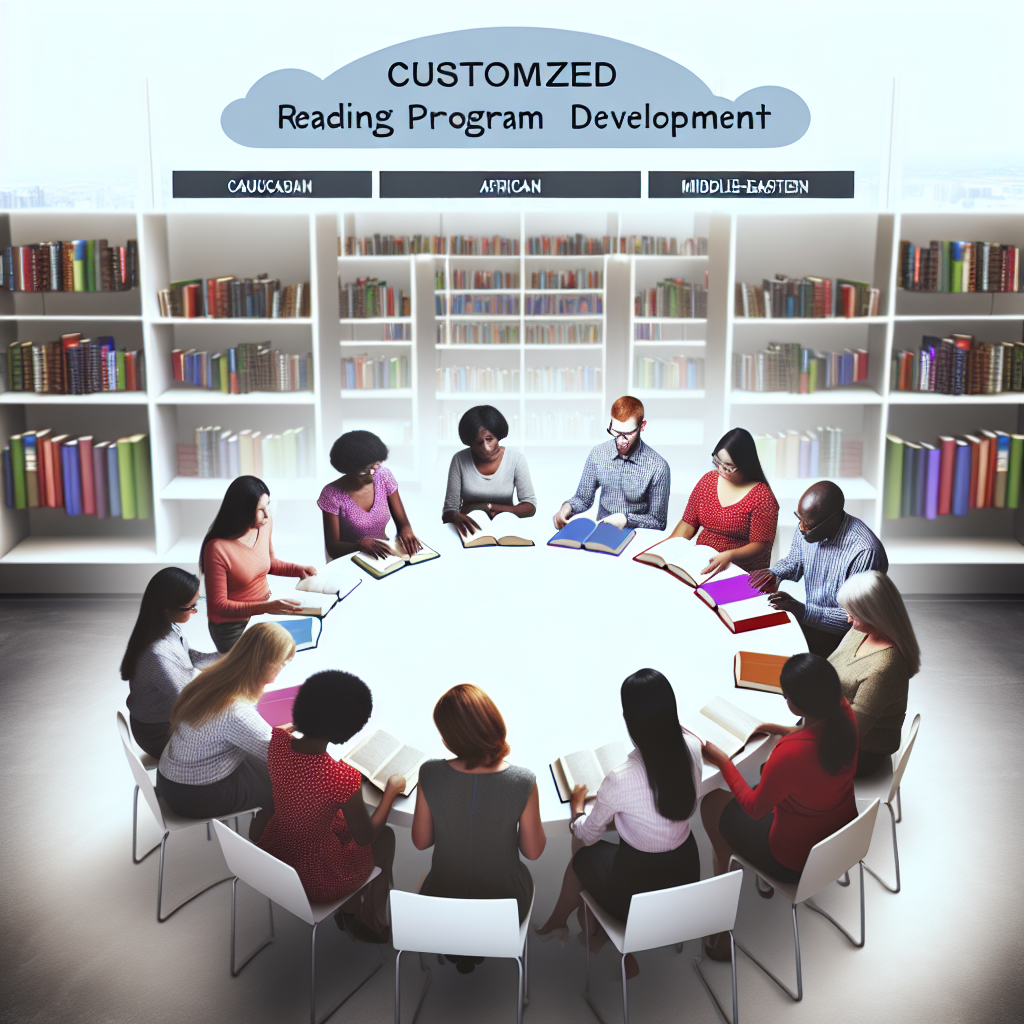
Customized Reading Program Development: Empowering Young Minds with Tailored Literacy Foundations
Introduction
For parents who seek to offer their children the best of the best, investing in an early, individualized reading program has become a cornerstone of intellectual development. Reading is more than just a skill—it is the foundation for cognitive agility, academic success, and emotional intelligence. Yet, just as every child’s fingerprint is unique, so too is their learning style, comprehension pathway, and pace of development. That’s where customized reading programs offer families a dynamic, science-backed approach to early literacy that surpasses one-size-fits-all education models.
More than simply teaching letters and sounds, tailored reading interventions adapt the content, teaching pace, and learning delivery to suit the individual needs of each child. Highly personalized, these programs consider everything from language exposure and neurodiversity to emotional readiness and even familial cultural preferences. Using data-driven assessments and advanced educational methodologies, customized reading programs created by specialists—often with backgrounds in developmental psychology, speech-language pathology, and reading intervention—align with a child’s unique developmental architecture.
Today’s families of means are no longer satisfied with standardized education models. They want bespoke, multi-sensory, and enriched experiences in all aspects of life—including foundational learning. A high-quality, bespoke reading experience offers children the crucial advantage of personalized support during their most formative years. Elite families can partner with private literacy consultants, educational therapists, or neuroeducational clinics to design in-depth and fine-tuned reading journeys tailored to a child’s evolving interests, strengths, and academic goals.
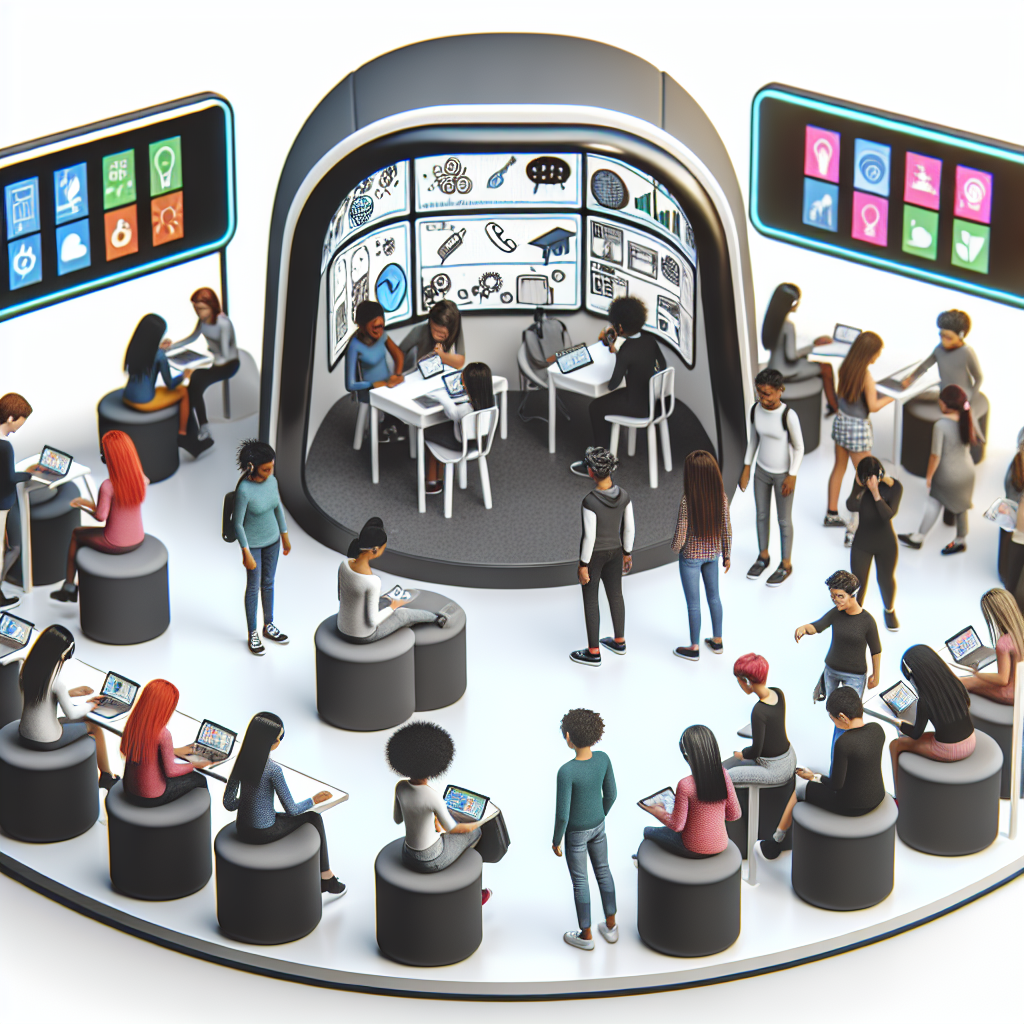
These programs go beyond phonics drills and vocabulary lists by incorporating innovative tools such as digital eye-tracking devices to monitor on-page concentration, AI-powered learning platforms that personalize reading paths, multi-language integration for bilingual development, and even literacy-based travel curriculums that immerse children in real-world reading environments across the globe.
By investing in this tailored approach early on, parents can ensure their children not only master fundamental literacy but also develop a lifelong love for reading—an asset that fuels imagination, empathy, and intellectual exploration beyond the classroom. In this age of experiential learning renaissance, customized reading program development provides an unmatched opportunity for families who understand that literacy is the gateway to every future success.
Features and Scientific Backing
A well-designed customized reading program is far more than an artisanal education plan—it is firmly grounded in evidence-based research. Current studies have underscored the importance of personalized learning pathways, particularly for reading development. The Yale Center for Dyslexia and Creativity has extensively documented the neurological variability in how children process language and decode words, confirming that reading is not a biologically ingrained skill and therefore requires adaptable, intentional instruction.
One of the most effective, science-backed teaching models is structured literacy, an approach that emphasizes explicit instruction in phonology, morphology, syntax, and semantics. It supports systematic phonics instruction and adapts to a child’s cognitive load and linguistic capacity. Research from the International Dyslexia Association shows tremendous gains in children, especially those with reading disparities, when taught through personalized, multisensory instructional approaches.
In addition, programs often incorporate thematic content aligned with each child’s interests (such as animals, space, arts, or sports), combined with cross-disciplinary elements like music or visual art. These enrichments have been shown to activate memory retention and enhance phonemic awareness, offering engaging and effective literacy advancement.
Technological innovations have also elevated the efficacy of these programs. Tools powered by artificial intelligence—such as adaptive e-books and smart tutoring apps—can analyze a child’s reading speed, eye movement patterns, vocabulary mastery, and even track emotional engagement. A report by the National Center for Learning Disabilities highlights how such tools empower educators and caregivers to fine-tune resources in real-time for each student’s unique learning profile. The result? More confident, consistent, and joyful readers.
Additionally, for multilingual households and internationally mobile families, customized programs offer parallel literacy paths in multiple languages. Early exposure to bilingual education has been linked to enhanced executive function, higher-order processing, and better problem-solving skills—findings backed by the American Psychological Association.
Before any content is delivered, early assessments are administered to anchor the journey in data. Tools such as the Dynamic Indicators of Basic Early Literacy Skills (DIBELS) and the Woodcock-Johnson Tests of Cognitive Abilities help establish a clear developmental starting point. When these screening tools are paired with in-depth psychological profiles, educators can meticulously design each lesson to align with a child’s personal learning rhythm.
Ultimately, parents who invest in these reading programs are making a strategic decision to align their child’s education with what modern neuroscience and child development research advocate: that learning must cater to individual neurological patterns. Supported by a team of world-class educators, specialized clinicians, and innovative technologies, these programs elevate each child’s literacy journey to a reflection of their true potential.
Conclusion
In an increasingly bespoke world, providing your child with a personalized reading experience is one of the most forward-thinking and loving investments a family can make. By collaborating with renowned experts and leveraging cutting-edge tools from cognitive science, developmental psychology, and digital education, families can design reading programs that go far beyond classroom basics.
The outcome is not just mastery of words on a page, but the cultivation of higher-order thinking, self-confidence, creativity, and curiosity. Customized reading development empowers children to thrive in a complex, multilingual, digitally-connected world while ensuring that they grow into lifelong learners who read with purpose, pleasure, and deep comprehension.
Optimized for each child’s learning profile, these exclusive reading programs represent a golden opportunity for families determined to give their children every possible advantage in life—starting with the foundational gift of literacy.
References
- Yale Center for Dyslexia and Creativity (2022). Understanding Dyslexia
- International Dyslexia Association (2021). Structured Literacy: Effective Instruction for All
- National Center for Learning Disabilities (2023). The State of Learning Disabilities
- American Psychological Association (2020). Bilingualism and Cognition
- Dynamic Indicators of Basic Early Literacy Skills (2022)
- Woodcock-Johnson Tests of Cognitive Abilities – Riverside Insights

Dominic E. is a passionate filmmaker navigating the exciting intersection of art and science. By day, he delves into the complexities of the human body as a full-time medical writer, meticulously translating intricate medical concepts into accessible and engaging narratives. By night, he explores the boundless realm of cinematic storytelling, crafting narratives that evoke emotion and challenge perspectives. Film Student and Full-time Medical Writer for ContentVendor.com