Customized Reading Programs for Early Literacy
Introduction
In today’s world of curated experiences and tailored services, families of means are increasingly turning toward bespoke educational tools to give their children the best possible start. Early literacy, the cornerstone of a child’s academic journey, is one of the key areas where personalized programs are proving not only to be a luxury but a necessity. As awareness about the impact of early reading on long-term success grows, the interest in customized reading programs has seen a noticeable surge among discerning parents who seek more than just conventional education.
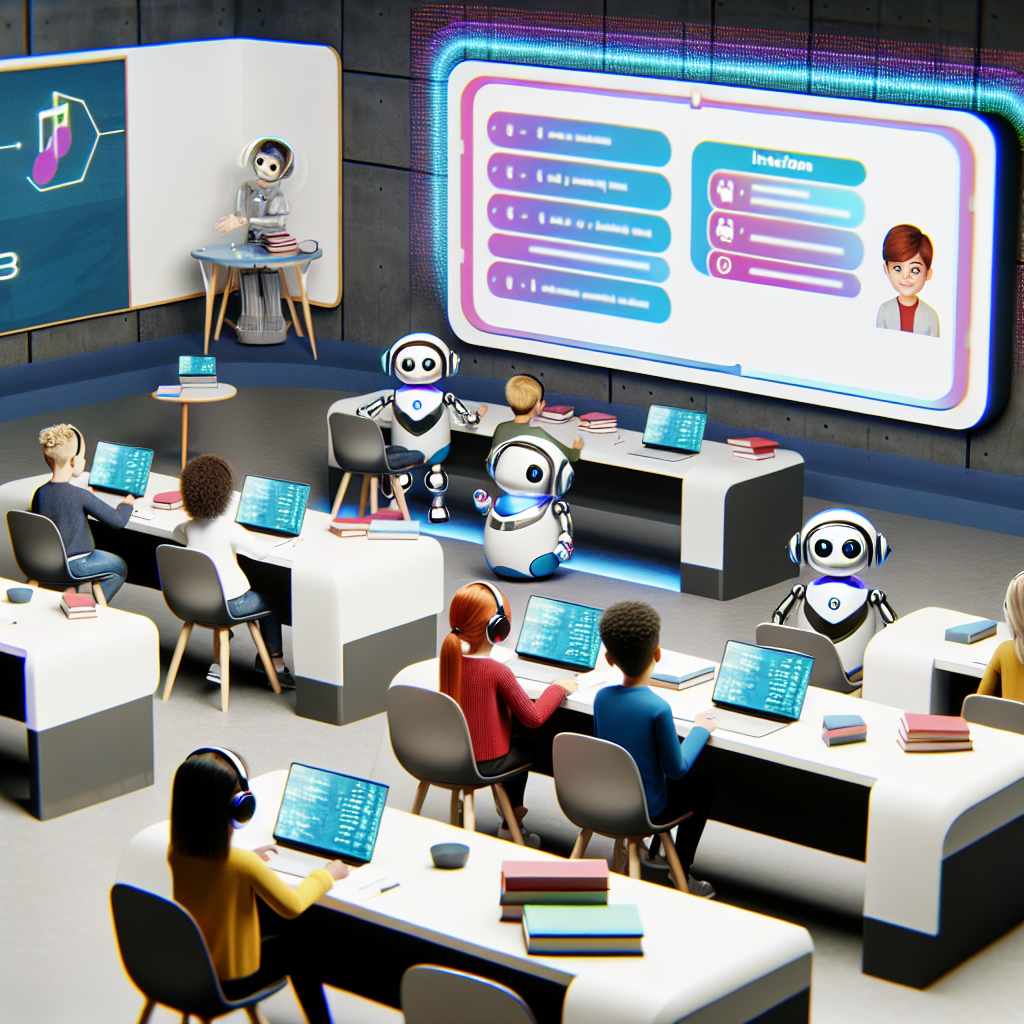
At its core, early literacy encompasses a child’s ability to read, understand, and engage with text before entering formal schooling. It includes foundational skills like vocabulary development, phonemic awareness, letter recognition, and narrative skills—each varying widely from child to child depending on their pace of learning, attention span, and individual interests. High-net-worth parents are increasingly identifying that traditional reading curricula often fail to accommodate the unique strengths and developmental needs of their children. This realization has created a demand for one-on-one programs, often enriched with cutting-edge technology, cognitive assessments, and data-driven content delivery.
From AI-driven diagnostics that pinpoint a child’s proficiency gaps to programs that use biometric feedback to enhance concentration and engagement, the sophistication and effectiveness of these personalized programs are unprecedented. Add to that the cultural and linguistic customization now available for multilingual households, and it’s clear why this tailored approach is revolutionizing how children learn to read.
Moreover, experts have consistently emphasized the importance of preschool-aged reading development in determining a child’s success in later schooling. According to research from the American Academy of Pediatrics, early literacy activities such as shared reading are among the most important interactive habits parents can develop with their children as early as infancy. Custom reading programs take this a step further, using validated educational frameworks combined with adaptive learning strategies to suit each child’s distinct profile.
In an increasingly competitive academic environment, it is critical for families who have the resources to invest in systems that both challenge and support their young learners in equal measure. Customized reading programs represent not only a sound educational decision but a time-sensitive investment in a child’s intellectual and emotional future.
Features and Supporting Research
The value of customized reading programs is well-supported by scholarly research and clinical studies. One pivotal study by the National Early Literacy Panel (NELP) found that early interventions focusing on individualized instruction substantially improve a child’s language and literacy skills before formal schooling begins. These interventions were especially effective in fostering phonological awareness, a key predictor of reading proficiency in the primary years.
More recently, advances in neuroscience and child psychology have allowed practitioners to understand the optimal conditions for learning to read. Studies published in the Journal of Applied Developmental Psychology emphasize the importance of ‘scaffolded instruction’—an approach where educators adapt learning experiences to the child’s current developmental level. Customized programs excel in this area, offering reading instruction that evolves in real time alongside the child’s growth.
Some elite programs employ tools such as the Dynamic Indicators of Basic Early Literacy Skills (DIBELS) to assess progress in key literary areas. This data allows reading specialists to fine-tune content delivery, strengthening areas of weakness while reinforcing existing strengths. Programs such as Lexia Core5 and Mindprint Learning also use sophisticated cognitive mapping tools that assess memory retention, attention span, and processing speed—then align content to match each learner’s cognitive profile. This adaptive approach not only supports literacy development but can improve broader executive functions.
Additionally, longitudinal studies such as the Early Childhood Longitudinal Study (ECLS) show a strong correlation between early reading readiness and continued academic performance through middle school. The trajectory from early literacy to high academic achievement is well-documented, with benefits noticeable in critical thinking, writing proficiency, and long-term engagement with complex subjects.
Custom programs are not limited to neurotypical learners—they are often designed to meet the diverse needs of children with learning differences. A prime example is the Orton-Gillingham approach, a structured, multi-sensory reading method specifically developed for students with dyslexia and other reading challenges. When combined with neuropsychological assessments, this type of programming allows for deeply personalized teaching that nurtures a child’s natural learning style.
For families who prioritize convenience and exclusivity, custom reading programs offer unmatched flexibility. Many providers offer in-home educators, private virtual tutoring, or even full-service educational concierge consultants. These specialists ensure that reading instruction not only aligns with school goals but is also tailored to the household’s language, culture, and lifestyle. Features such as real-time progress-tracking mobile apps, curated custom book libraries, and ongoing parental feedback loops take personalized literacy to a level that traditional systems often cannot.
Conclusion
Customized reading programs are more than an educational luxury—they are an intelligent, forward-thinking investment in your child’s academic foundation. At a time when early literacy correlates directly with later academic success, providing your child with bespoke tools and expert guidance is the ultimate gift of preparedness. As the educational landscape becomes increasingly competitive, early reading intervention through tailored solutions ensures that young learners are equipped intellectually, emotionally, and developmentally for future achievements.
For parents seeking not just educational support but educational excellence, customized reading is no longer optional—it’s essential.
References
1. American Academy of Pediatrics. (2014). Literacy Promotion: An Essential Component of Primary Care Pediatric Practice.
2. National Reading Panel. (2000). Teaching Children to Read: An Evidence-Based Assessment.
3. Lexia Core5 Reading
4. Mindprint Learning
5. Journal of Applied Developmental Psychology
6. National Early Literacy Panel (NELP) Report
7. Early Childhood Longitudinal Study (ECLS)
8. The Orton-Gillingham Approach

Dominic E. is a passionate filmmaker navigating the exciting intersection of art and science. By day, he delves into the complexities of the human body as a full-time medical writer, meticulously translating intricate medical concepts into accessible and engaging narratives. By night, he explores the boundless realm of cinematic storytelling, crafting narratives that evoke emotion and challenge perspectives. Film Student and Full-time Medical Writer for ContentVendor.com