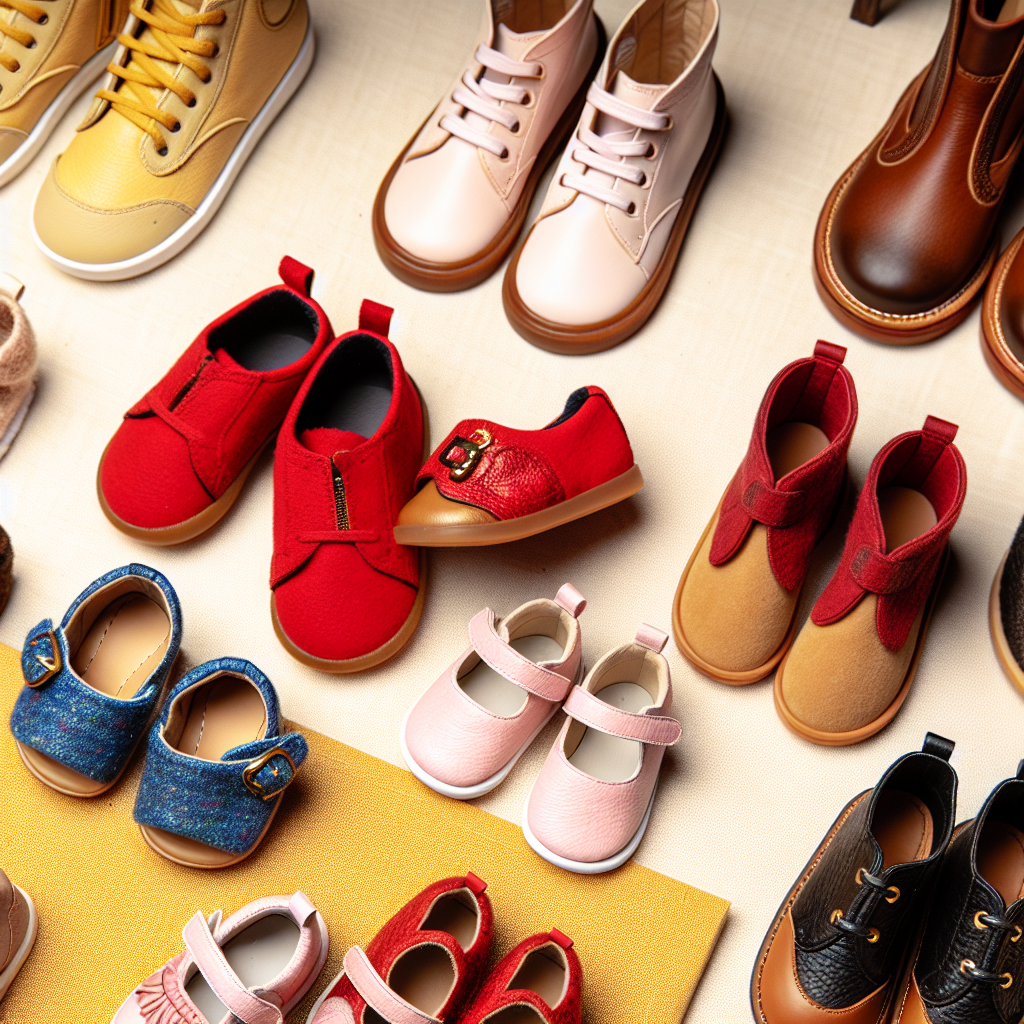
Designer Children’s Footwear Collections
Introduction: The Foot-Steps of Luxury Begin Early
In today’s world of elevated lifestyles and curated experiences, luxury is no longer reserved exclusively for adults. Children are stepping into the spotlight of sophistication with wardrobes boasting high-fashion influences, and at the core of this trend are designer children’s footwear collections. Far from being a mere indulgence, investing in expertly crafted shoes for children has taken on a dual mission—offering aesthetic elegance while supporting podiatric health through structurally sound design.
Gone are the days of generic sneakers and cheaply made slip-ons. Today’s fashion-forward families of means are choosing to dress their children in shoes from brands traditionally known for crafting couture for adults. Now, iconic fashion houses such as Gucci, Dolce & Gabbana, Fendi, Dior, and Balenciaga have entered the children’s market with stylish miniature versions of their signature looks. These collections aren’t solely about making a fashion statement—they represent an intentional lifestyle that emphasizes quality, design integrity, and presentation of self from the earliest stages of life.
This societal shift aligns with the growing awareness that luxury is a comprehensive experience—an ethos that pervades even the smallest wardrobe details. For affluent parents, designer children’s footwear provides the reassurance of premium materials, superior craftsmanship, and attention to fit, which can be critical during the developmental years.
Whether it’s velvet Mary Janes for a holiday gala, miniature hiking boots for a designer ski trip in Aspen, or bespoke leather sneakers for everyday strolls in Paris, the choices fuse form and function effortlessly. These shoes embody lifestyle symbolism, offering children an early introduction to personal style and self-expression, while parents value both the aesthetic appeal and practical function.
At the same time, high-end footwear brands are bridging generational style gaps, allowing parents and children to coordinate wardrobes with cohesive flair. The “mini-me” fashion movement has surged in popularity, strengthening familial bonds and offering an Instagram-ready showcase of luxury living. These shared aesthetics become lifestyle moments that reflect a cultural shift in how luxury is interpreted and celebrated across generations.
Features: The Intersection of Fashion and Function
Beyond style, investing in designer children’s footwear is supported by scientific and developmental evidence. According to the American Podiatric Medical Association (APMA), appropriate footwear plays a pivotal role in a child’s physical development. Children’s feet are malleable and still forming; ill-fitting or rigid shoes can result in orthopedic complications such as flat feet, poor posture, or gait irregularities. Luxury brands specializing in children’s footwear often incorporate anatomical and ergonomic features absent from mass-market offerings.
Materials such as Italian full-grain leather, organic cotton linings, and hand-cut rubber soles ensure breathability, flexibility, and durability. These qualities are essential for supporting healthy foot development. Notably, brands like Naturino incorporate the “sand effect” system—an innovation inspired by natural foot movements experienced when walking on beach sand. This promotes natural muscle strengthening and correct foot alignment.
Research from the University of Sydney found that children who wore soft, flexible, and properly fitted footwear displayed improved gait mechanics compared to those in stiff and poorly fitted shoes. Luxury children’s footwear brands tend to offer more precise sizing options, including half sizes and specialty widths, ensuring a better fit that reduces pressure points and supports symmetrical development of young feet.
Designers are collaborating with pediatric specialists to combine fashion and orthopedic science. For example, Bonpoint includes orthopedic consultants in its product planning, ensuring their stylish footwear also meets the highest standards of comfort and support.
Another essential feature gaining traction is sustainability. Sustainable children’s footwear is being embraced by ethical luxury brands. Stella McCartney Kids, for instance, offers vegan-friendly shoes crafted from eco-conscious materials, aligning luxury with values such as environmental responsibility and cruelty-free living.
Furthermore, in elite social settings—from international boarding schools to family functions—wearing appropriately stylish and well-designed shoes can help children feel confident and included. In such environments, clothing and accessories often serve as social cues. Luxury children’s shoes thus enable children to project a polished image, contributing positively to both self-esteem and social integration.
Conclusion: Looking Ahead in Style and Support
Designer children’s footwear collections stand at the intersection of elegance and essential physical support. These expertly designed shoes offer more than temporary style—they’re a tangible expression of intentional parenting, celebrating beauty, functionality, and a child’s individuality. From orthopedic benefits to ethical production and enviable aesthetics, these collections represent a lifestyle where every step is taken in confidence, comfort, and curated design.
For discerning parents, investing in luxury children’s shoes means investing in their child’s health, identity, and style journey—right from the very first step.
References
- American Podiatric Medical Association: Footwear Recommendations for Children
- University of Sydney Research on Children’s Footwear and Gait Development
- Naturino and the Sand Effect System
- Bonpoint: Combining Fashion and Function
- Stella McCartney Kids Sustainable Initiatives

Dominic E. is a passionate filmmaker navigating the exciting intersection of art and science. By day, he delves into the complexities of the human body as a full-time medical writer, meticulously translating intricate medical concepts into accessible and engaging narratives. By night, he explores the boundless realm of cinematic storytelling, crafting narratives that evoke emotion and challenge perspectives. Film Student and Full-time Medical Writer for ContentVendor.com