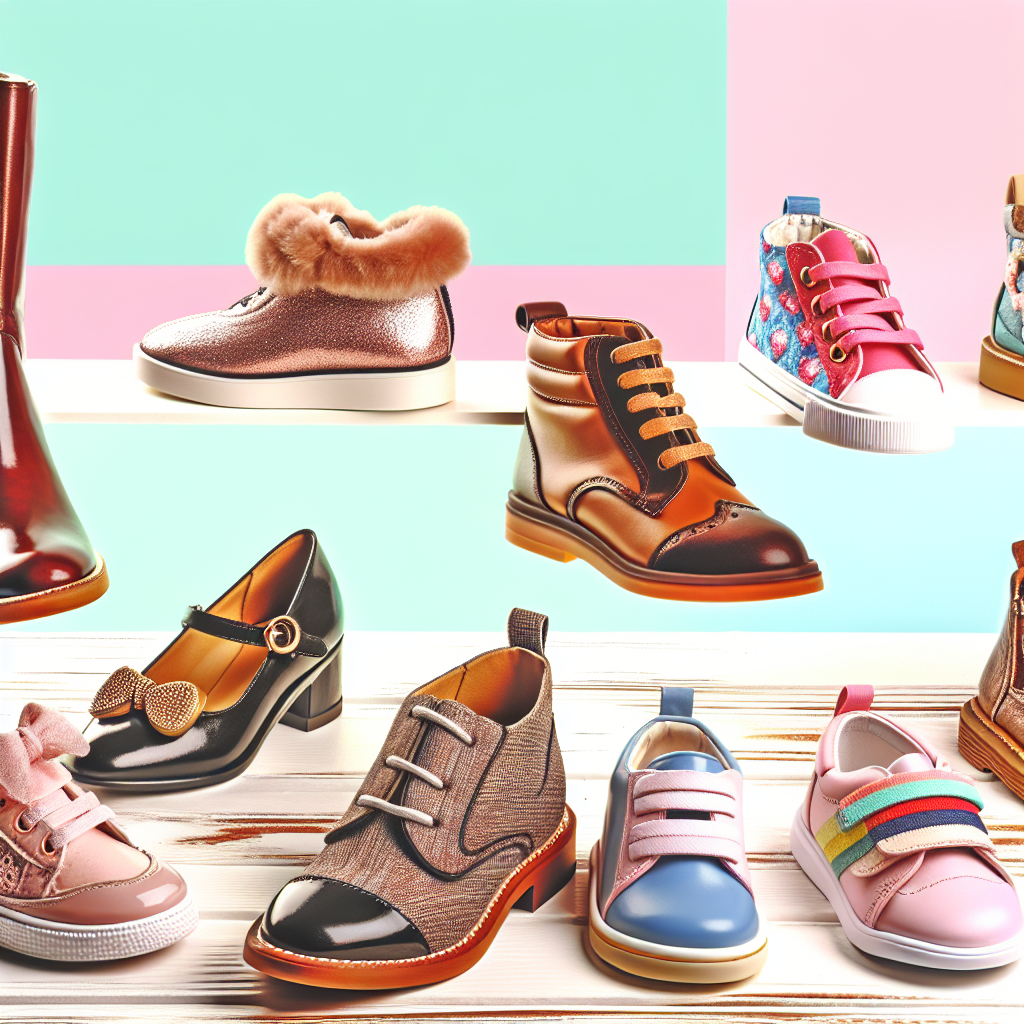
Designer Children’s Footwear Collections
Introduction
In the ever-evolving world of luxury fashion, children’s wear is no longer an afterthought—it’s a thriving sector marked by elegance, quality, and innovation. Designer children’s footwear collections have emerged as a cornerstone of the high-end children’s apparel market, offering discerning parents the perfect marriage of style, function, and form.
From miniaturized runway trends to bespoke craftsmanship and orthopedic-conscious designs, luxury children’s footwear is redefining what it means to put your best foot forward—starting at a very young age. Parents of means are increasingly unwilling to compromise when it comes to both the well-being and the presentation of their children. Just as fine tailored clothing is integral to adult sartorial elegance, properly crafted footwear plays a pivotal role in a child’s health, comfort, and growing self-confidence.
Designer brands such as Gucci, Fendi, Dior, and Stella McCartney Kids are not merely scaling down adult styles—they’re investing in the anatomical development and wellness of children’s feet. These collections include offerings like Italian hand-stitched leather loafers for boys, eco-conscious ballet flats in vibrant hues for girls, and even unisex sneakers designed for both fashion and functionality.
Today’s trendsetting children are stepping out in not only stylish but also supportive shoes. High-end children’s footwear includes meticulously engineered arches for developing feet, breathable materials, light yet durable soles that encourage active play, and hypoallergenic linings suitable for sensitive skin. Sustainability is also a key component, with many designer labels integrating eco-conscious materials and ethical production practices—values in line with the priorities of affluent, environmentally aware families.
The rise of the “mini-me” fashion trend has propelled the visibility and desirability of these designer collections. You’re just as likely to spot a parent-child duo in matching Gucci sneakers at a fashion event as you are at a city park. However, the pull of designer shoes for kids goes far beyond mere aesthetics. High-net-worth individuals seek products that align with their values—quality, performance, and long-term well-being—and luxury children’s footwear checks all those boxes. These shoes represent more than style: they’re a visible expression of care, lifestyle, and trust in superior craftsmanship.
As we explore this market further, we’ll delve into crucial aspects of children’s foot health, explain why the right footwear is essential, and detail how designer brands are meeting—and in many cases, exceeding—those needs through advanced design and thoughtful innovation.
Features: Professional and Medical Insights on Children’s Footwear Needs
Children’s feet are unique. They are not simply downsized versions of adult feet but rather dynamic, developing anatomical structures that require specialized support. According to the American Podiatric Medical Association (APMA), a child’s foot continues to grow and form until roughly age 13. Bones are still soft and cartilage remains pliable well into adolescence, making proper footwear critical for healthy and stable development.
Wearing the wrong type of shoes during this formative stage can have serious consequences. Studies published in resources like Foot & Ankle International and the Journal of Pediatric Orthopaedics indicate connections between ill-fitting or nonsupportive footwear and a range of orthopedic concerns. These include flat feet, improper walking patterns (gait anomalies), and lower limb musculoskeletal discomfort. Inappropriate shoes can either under-support or overly restrict the natural growth and movement processes critical to a child’s long-term mobility and balance.
Here is where high-end designer children’s shoes make a significant difference—not just visually, but medically. Brands such as Naturino and Pom d’Api actively collaborate with pediatric podiatrists to ensure optimal foot support in their designs. Naturino’s proprietary “Sand Effect” insoles, for example, simulate a child walking on soft sand, which helps form the foot’s arch and supports correct posture alignment.
Beyond design, luxury brands make significant investments in the quality of materials. Expect to find breathable, soft leathers that mold to the foot’s shape, moisture-wicking linings to keep feet dry and healthy, and cushioned insoles that reduce shock and pressure—key elements in enhancing both comfort and foot protection. Many designer offerings are also built using hypoallergenic fabrics, catering to kids with sensitive skin or allergic tendencies.
The use of advanced ergonomic technology is also raising the bar in children’s footwear. Whether it’s adaptive memory foam that contours with use, adjustable Velcro or elastic systems for better fit, or self-regulating temperature insoles that respond to body heat, these features are designed to blend innovation with real developmental benefits. Foot biomechanics are taken into account from sole to heel, allowing for better posture, flexibility, and muscle engagement during walking, running, or play.
Furthermore, the superior fit commonly found in designer shoes plays a key role. Unlike mass-market models that often favor cost-efficiency over comfort, luxury brands focus on providing tailored arch support, reinforced heel counters, and enhanced midsole balance. These elements work together to promote energy-efficient walking and reduce fatigue as kids engage in daily activities.
Ultimately, investing in premium children’s footwear isn’t just about style—it’s a proactive step in fostering strong, healthy foot development and aligning wellness with every step your child takes.
Conclusion
Designer children’s footwear collections go far beyond fashion—they represent an elegant crossroads between health innovation, sustainability, and elevated lifestyle. As the luxury market adapts to the needs of modern parenting, brands are combining aesthetics with science, offering shoes that not only look good but also function with orthopedic intelligence and environmental responsibility.
From handcrafted Italian loafers to biodegradable ballet flats, today’s premium children’s footwear is a symbol of conscientious living. It supports not only your child’s foot growth but also reflects a commitment to craftsmanship, comfort, and ecological mindfulness. Whether you’re motivated by fashion, health, or both, choosing designer shoes for your children ensures you’re giving them the best foundation—literally and figuratively—from their earliest steps into the world.
References
- American Podiatric Medical Association – Foot Health for Children
- Foot & Ankle International – Impact of Footwear on Pediatric Foot Development
- Journal of Pediatric Orthopaedics
- Naturino Footwear Philosophy
- The British LUXE Report – Mini-Me Fashion Trends
- Stella McCartney Kids – Sustainable Footwear Collection

Dominic E. is a passionate filmmaker navigating the exciting intersection of art and science. By day, he delves into the complexities of the human body as a full-time medical writer, meticulously translating intricate medical concepts into accessible and engaging narratives. By night, he explores the boundless realm of cinematic storytelling, crafting narratives that evoke emotion and challenge perspectives. Film Student and Full-time Medical Writer for ContentVendor.com