Elite Art History Tours for Families
In a world where cultural literacy and global awareness are becoming premium assets, high-net-worth families are increasingly turning away from traditional luxury vacations and seeking experiences that blend education, sophistication, and leisure. Enter the elite art history tour — a bespoke cultural journey that introduces families, especially children, to the treasures of art, architecture, and history in engaging, meaningful, and impactful ways.
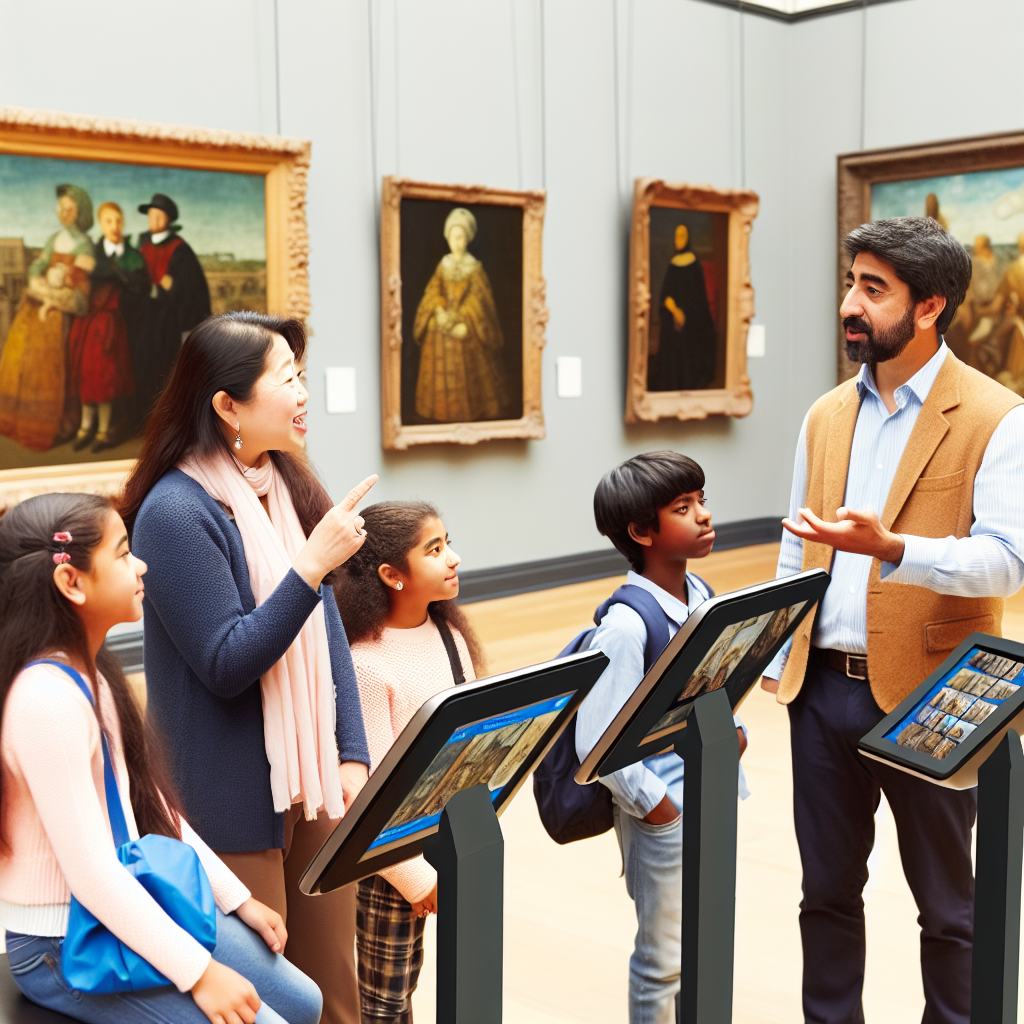
Imagine your family strolling through the Uffizi Gallery in Florence, guided by a private art historian who brings Botticelli’s paintings to life. Children may receive custom-made storybooks and enjoy lively, age-appropriate dialogue that illuminates the Renaissance’s artistic innovations and societal themes. In Paris, families might explore the Musée d’Orsay or the Louvre through curated access accompanied by guides who specialize in child engagement using treasure hunts or immersive VR technology. These tools help children visualize the historical transformations of each artistic era in real-time.
For families who value intentional and transformational travel experiences, elite art tours are more than sightseeing—they are crafted journeys designed by professionals in art education and luxury travel. These adventures aim to cultivate children’s early appreciation for historical context, artistic expression, and cultural diversity. Through guided interpretation, children are encouraged to ask thoughtful questions, develop visual literacy, and form personal connections with the art and culture around them.
And the experience isn’t confined to Europe. These global journeys span from exploring ancient civilizations in Egypt and Greece to tracing the footsteps of the Impressionists in New York and Washington D.C.. Many tours are created in collaboration with top academic institutions, museum educators, and developmental psychologists to ensure the content is educationally rich and emotionally resonant for young learners.
By offering more than traditional sightseeing, these immersive experiences demonstrate a family’s commitment to meaningful travel, intellectual development, and cultural awareness. Ultimately, they support a lifestyle grounded in refinement, education, and intentional parenting — where every journey enables deeper connection and lifelong enlightenment.
Features
Elite family art tours are meticulously curated using a blend of educational best practices and developmental psychology. Designed by experts in art education, child development, and travel logistics, these tours become dynamic learning laboratories that stimulate both cognitive development and emotional intelligence in children.
Research from the American Academy of Pediatrics (AAP) underscores the importance of artistic exposure for children. According to their study, arts engagement boosts academic achievement, empathy, creativity, and resilience. Elite tours utilize this data by enabling children to engage with masterpieces in their original contexts, enriching their understanding through multi-sensory learning experiences that activate visual, auditory, and physical learning modalities.
The Smithsonian Center for Learning and Digital Access also supports the benefits of museum-based learning, highlighting how it improves memory retention and critical thinking. Art tours often incorporate these techniques through tailored interactive activities — such as storytelling workshops, themed sketching sessions, or narrative-building games — all matched to specific age groups and learning styles.
For instance, young children might experience Vincent van Gogh’s world through projects exploring color theory, while learning myths through decoding ancient symbolism in Greek sculptures. For teens, programs might encourage them to explore themes like art and activism, such as examining the murals of Diego Rivera or the installations of Ai Weiwei, and how social movements shaped (and were shaped by) creative expression.
Beyond educational engagement, these tours also support children’s mental well-being. According to research published in the Journal of Positive Psychology, artistic activities help children develop purpose and identity while enhancing psychological wellness. To nurture this, many itineraries include mindfulness techniques — like guided meditation in quiet museums, outdoor journaling in sculpture gardens, and reflection circles to support emotional integration of learning experiences.
Luxury and comfort are seamlessly integrated into these experiences. Tours include accommodations in high-end hotels with proximity to major museums, gourmet food experiences suitable for kids and adults, and restful downtime to avoid cognitive overload. With built-in flexibility, families can adjust the pace as needed, making room for spontaneous interests or necessary breaks — transforming every museum visit into a comfortable and personalized adventure.
Most importantly, these journeys promote active, participatory learning. Instead of passive observation, children are encouraged to engage through hands-on activities that align with developmental stages. This level of involvement supports not only retention of knowledge but also fosters a lasting curiosity and reverence for culture, creativity, and diversity.
Conclusion
Elite art history tours offer families a unique and impactful opportunity to combine the pleasures of luxury travel with deep educational enrichment. These journeys empower children to engage with the world intellectually and emotionally while building early appreciation for art, storytelling, and global history. By investing in this kind of thoughtful, customized travel, families are not only creating cherished memories — they are planting seeds of lifelong cultural curiosity, empathy, and critical thinking in their children.
Designed by specialists and celebrated by those aiming for academic and emotional excellence, these tours underscore a broader philosophy — that the best travels aren’t merely about where you go, but what you learn, feel, and bring back with you. For parents seeking to nurture informed, inspired, and compassionate global citizens, elite family art tours are an unmatched investment in the future.
References
- American Academy of Pediatrics. (2020). The Importance of Art in Child Development
- Smithsonian Center for Learning and Digital Access. (2021). Museum Teaching Strategies
- The Journal of Positive Psychology. (2021). Arts Engagement and Psychological Well-Being in Childhood

Dominic E. is a passionate filmmaker navigating the exciting intersection of art and science. By day, he delves into the complexities of the human body as a full-time medical writer, meticulously translating intricate medical concepts into accessible and engaging narratives. By night, he explores the boundless realm of cinematic storytelling, crafting narratives that evoke emotion and challenge perspectives. Film Student and Full-time Medical Writer for ContentVendor.com