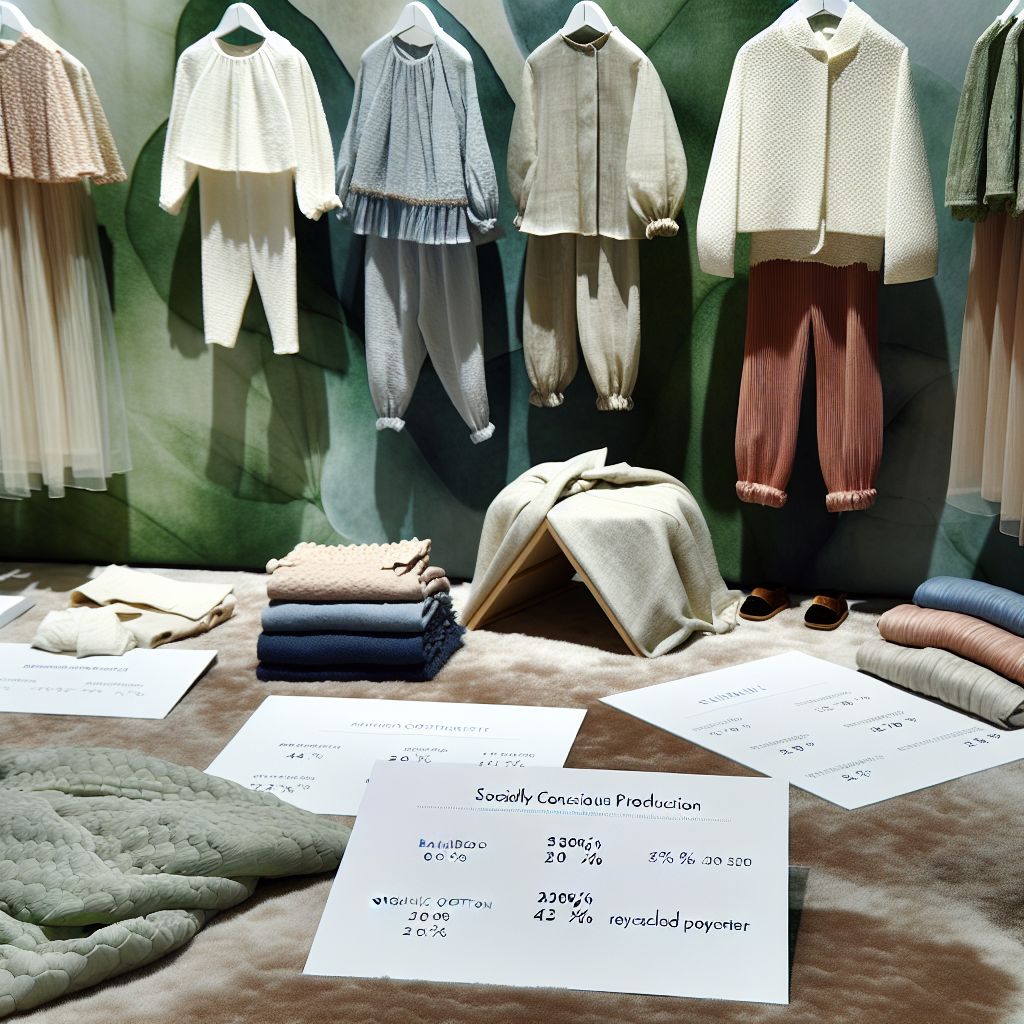
Luxury Children’s Wear from Sustainable Materials
Introduction
Today’s discerning parents aren’t just looking for high-quality fashion for their little ones—they’re demanding luxury children’s wear that aligns with their values. In an era where sustainability, ethical production, and environmental consciousness intersect with sophistication, the children’s fashion industry is undergoing a transformative shift.
Parents of means are now seeking more than monogrammed rompers and cashmere baby sets—they want assurance that the garments their children wear are not only luxurious but also responsibly made, contributing to a greener, more ethical world. This growing awareness is fueling the rise of sustainable luxury children’s wear, a niche that is redefining what it means to dress well while doing good.
The concept of sustainability in fashion has gained significant momentum, evolving from a mere trend to a foundational ethos. This shift is especially crucial in the children’s wear market, where rapid size changes contribute to high consumption and waste levels. To combat this, elite fashion houses are now embracing eco-conscious materials such as GOTS-certified organic cotton, bamboo fibers, ethically sourced wool, and even upcycled, biodegradable textiles. These materials offer the polished aesthetics and delicate comfort expected in luxury fashion while significantly reducing environmental impact.
Moreover, leading luxury children’s fashion brands are collaborating with textile innovators, ethical factories, and sustainability engineers to embed ecological responsibility across the supply chain—from the use of renewable energy and minimized water consumption to zero-waste production models and carbon offsetting initiatives.
This forward-thinking approach gives rise to a new definition of luxury—one that harmonizes style, comfort, conscience, and sustainability. For affluent parents, investing in sustainable children’s fashion is not only a reflection of social values but also an educational opportunity. It instills critical values in children early, such as environmental responsibility, conscious consumption, and appreciation for quality over quantity.
As the global conversation around environmental responsibility continues to grow, choosing sustainable children’s clothing is becoming increasingly essential. It’s no longer just a fashion statement—it’s a legacy-driven choice for a better future.
Features and Applied Studies
Scientific research and market analysis continually support the benefits of adopting sustainable practices in children’s fashion. According to the 2023 Textile Exchange Material Change Insights Report, brands switching to sustainable fibers, particularly GOTS-certified organic cotton, have dramatically reduced their environmental footprint. The report highlights up to 91% reduction in water usage and over 95% less pesticide-related impact compared to conventional cotton farming. These insights underscore how material choices directly influence both planetary and human health.
The health benefits of sustainable fabrics go far beyond environmental impact. Medical research published in the Journal of Pediatric Dermatology supports the use of hypoallergenic materials such as organic cotton or bamboo. These fabrics are naturally breathable and free from toxic dyes, making them ideal for children with conditions like eczema and for those with sensitive or developing skin. Because a child’s skin is significantly thinner and more absorbent than that of an adult, the types of materials they wear can have a lasting effect on health and comfort.
Environmental impacts of traditional fashion practices are staggering. Data from the Ellen MacArthur Foundation reveals that the fashion industry is responsible for approximately 10% of global carbon emissions—more than the combined emissions from all international flights and shipping. The adoption of sustainable fashion practices, such as circular design models and closed-loop production, is crucial. Brands like Stella McCartney Kids and Bebe Organic are pioneering the shift toward longevity-focused, low-impact apparel production.
From an economic standpoint, the luxury children’s fashion sector is adapting to meet consumer demand. According to the Bain & Company Global Luxury Report 2023, over 65% of luxury consumers under 45 consider a brand’s environmental and ethical record essential to their purchasing decision. These findings reflect the values of millennial and Gen Z parents, who see sustainability as a core component of luxury. As a result, we see increased interest in heirloom-quality garments—handmade, ethically produced pieces that can be passed down or resold, thereby promoting a circular fashion economy.
Transparency and third-party certifications have become key to credibility in sustainable fashion. Organizations like OEKO-TEX and Cradle to Cradle provide rigorous assessments of fabrics and production methods. Garments that meet these standards are proven to be free from harmful chemicals and are produced under ethical and environmentally conscious conditions. These certifications guide parents in making smart, informed purchases without compromising aesthetics or exclusivity.
Conclusion
As the definition of luxury expands to include responsibility and innovation, the world of children’s fashion is leading the charge. Luxury now means more than elegance—it also encompasses ethics, ecology, and education. Affluent families are in a unique position to steer this movement forward by choosing products that uphold their values and contribute to a more sustainable world.
Embracing sustainable luxury children’s wear is a powerful way to merge style with stewardship. It allows families to support positive industry practices while teaching the next generation the importance of ethical consumption. Far from being just another aesthetic trend, this paradigm shift represents a long-term commitment to well-being, legacy, and planetary care—because dressing consciously is not only fashionable but fundamental.
References
- Textile Exchange Material Change Insights Report 2023
- Journal of Pediatric Dermatology
- Ellen MacArthur Foundation: Fashion and the Circular Economy
- Bain & Company Global Luxury Report 2023
- OEKO-TEX Certification
- Cradle to Cradle Certified Products Program

Dominic E. is a passionate filmmaker navigating the exciting intersection of art and science. By day, he delves into the complexities of the human body as a full-time medical writer, meticulously translating intricate medical concepts into accessible and engaging narratives. By night, he explores the boundless realm of cinematic storytelling, crafting narratives that evoke emotion and challenge perspectives. Film Student and Full-time Medical Writer for ContentVendor.com