Premium Developmental Toys Review
Introduction
From the moment a child enters the world, their brain begins a rapid process of development that is both extraordinary and deeply sensitive to environmental input. As science continues to reveal, a child’s early experiences — including **play** — have profound effects on **cognitive**, **emotional**, and **physical development**. For parents of means who place great value on giving their children every advantage, selecting **premium developmental toys** is more than just indulgence; it’s a strategic investment in a child’s early education and holistic growth.
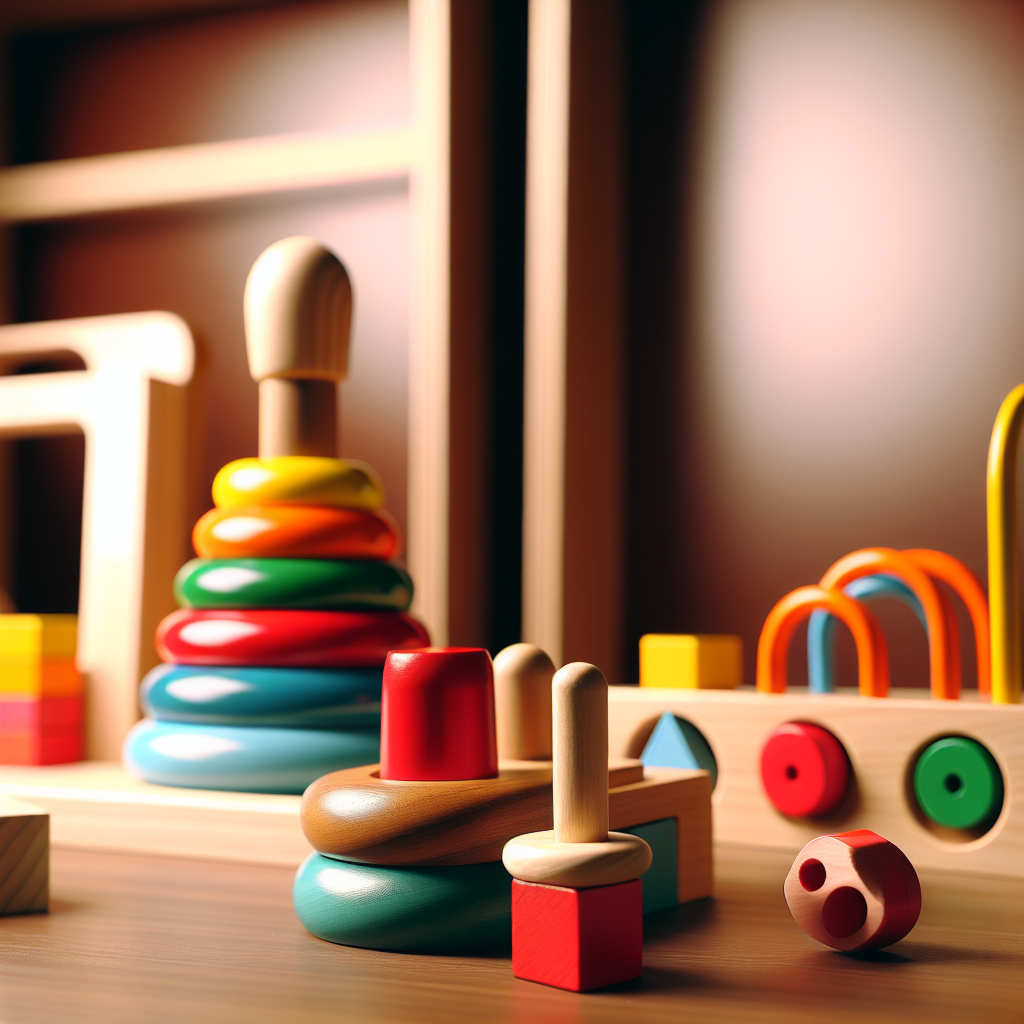
In today’s **luxury children’s market**, premium toys are no longer just aesthetically pleasing or status-enhancing; they are intricately engineered to enrich and challenge young minds. The concept of **developmental toys** extends far beyond colorful plastic blocks and plush animals. These toys are purpose-built using insights from **neuroscience**, **developmental psychology**, and **early childhood education** to stimulate brain development, foster motor skills, promote **social-emotional intelligence**, and encourage **creative problem-solving**.
Luxury toy brands such as **Lovevery**, **Grimm’s Spiel und Holz Design**, and **MODU**, among others, have emerged as pioneers in creating products that marry **timeless craftsmanship** with **cutting-edge developmental research**. While they come at a higher price point, these toys often use **sustainable materials**, **non-toxic finishes**, and **intuitive design** to engage children across multiple developmental stages. Their **modular, open-ended nature** allows for years of engaging play — a stark contrast to disposable, short-lifespan toys that are quickly forgotten.
Increasingly, well-heeled parents are seeking more than just **safety** and **design**; they want **credibility**. How these toys support **developmental milestones** has become a key deciding factor in purchase decisions. This discerning group of consumers is redefining playtime — transforming it into an opportunity for **growth and enrichment**. Parents increasingly turn to **expert-approved** and **research-backed** toys that provide real educational value while offering memorable family experiences.
In this comprehensive review, we’ll take a closer look at what makes premium developmental toys unique, examine their underlying **educational philosophy**, and explore how they cater to modern parenting values by integrating **science**, **sustainability**, and **long-term value**.
Features and Supporting Studies
The profound impact of **formative play** is confirmed by a growing body of medical and psychological research. Credible studies confirm that high-quality, **developmentally appropriate toys** can influence **neural connectivity**, **language acquisition**, **emotional intelligence**, and **motor coordination**.
The **American Academy of Pediatrics (AAP)** has long emphasized the importance of play in child development. In their pivotal 2018 report, “The Power of Play,” the AAP states that “play is essential to development because it contributes to the cognitive, physical, social, and emotional well-being of children and youth.” They advocate for toys that are **simple**, **open-ended**, and encourage **meaningful parent-child interaction** — a core principle for many premium toy companies.
Research in **neuroscience** further supports the value of physical and cognitive engagement during play. A study published in *Developmental Science* found that **sensorimotor play** — a feature central to **Montessori** and **Waldorf-inspired toys** — significantly influences **neural development** by strengthening the links between movement and thought through the development of **executive function** ([source](https://onlinelibrary.wiley.com/doi/full/10.1111/desc.12916)).
Toys that engage **storytelling**, **empathy**, and **role-playing** — such as **Sylvanian Families**, **PlanToys Play Kitchens**, and **Little Partners’ Learning Towers** — also help develop **social skills**. According to **Harvard’s Center on the Developing Child**, play that incorporates “serve and return” interaction strengthens **emotional responsiveness** — a key factor in long-term academic and life success.
Therapeutically, **premium developmental toys** serve as critical tools in **early intervention**. Toys that incorporate **multi-sensory stimuli**, like those offered by **Tender Leaf Toys** and **Banwood**, have been demonstrated to help children with **autism spectrum disorders**, **sensory processing issues**, and **developmental delays**. A 2020 study in *Occupational Therapy International* showed that targeted play with sensory-rich toys improved attention span and fine motor coordination over a monitored six-month period.
In addition, **premium toys** reduce reliance on **screen time**, offering a more constructive alternative during the most critical years of brain development (ages 0–6). Since many are **modular** and **multi-functional**, these toys grow alongside a child’s evolving skills, providing developmental challenges that adapt to their abilities.
Conclusion
**Premium developmental toys** reflect the fusion of elegance, durability, and evidence-based educational strategy. As more research uncovers the lasting benefits of **early enriched play**, parents seeking to give their children the best start are turning to tools that support cognitive, emotional, and motor development in profoundly impactful ways.
Unlike conventional toys that offer brief entertainment and often end up as clutter, these playthings represent a meaningful contribution to a child’s long-term **growth and intelligence**. With their commitment to **sustainability**, **safety**, and **scientific integrity**, **luxury brands** are redefining the very essence of play — elevating it into a cornerstone of *intellectual preparation* and *emotional enrichment*. These toys do not simply fill time; they build the foundation of a more balanced, thoughtful, and capable future — one **meaningful play session** at a time.
References
– American Academy of Pediatrics. (2018). “The Power of Play: A Pediatric Role in Enhancing Development in Young Children”
– Center on the Developing Child at Harvard University. “Serve and Return”
– Libertus, K. et al. (2021). “Sensorimotor experience and its influence on neural development.” Developmental Science
– Hernández, J. L. et al. (2020). “Use of Sensory Toys and Its Impact on Development in Children with Special Needs.” Occupational Therapy International

Dominic E. is a passionate filmmaker navigating the exciting intersection of art and science. By day, he delves into the complexities of the human body as a full-time medical writer, meticulously translating intricate medical concepts into accessible and engaging narratives. By night, he explores the boundless realm of cinematic storytelling, crafting narratives that evoke emotion and challenge perspectives. Film Student and Full-time Medical Writer for ContentVendor.com