Premium Digital Art Studios for Young Creatives
Introduction
In the age of immersive technology and dynamic creativity, many parents are actively investing in platforms and programs that elevate their children’s artistic potential. For families of means who wish to offer their young ones a rich, state-of-the-art introduction to digital creativity, premium digital art studios provide a tailored, high-end experience that fuses innovation with personal artistic development. These studios go far beyond standard extracurricular activities—they are the incubators of tomorrow’s creators, innovators, and design thinkers.
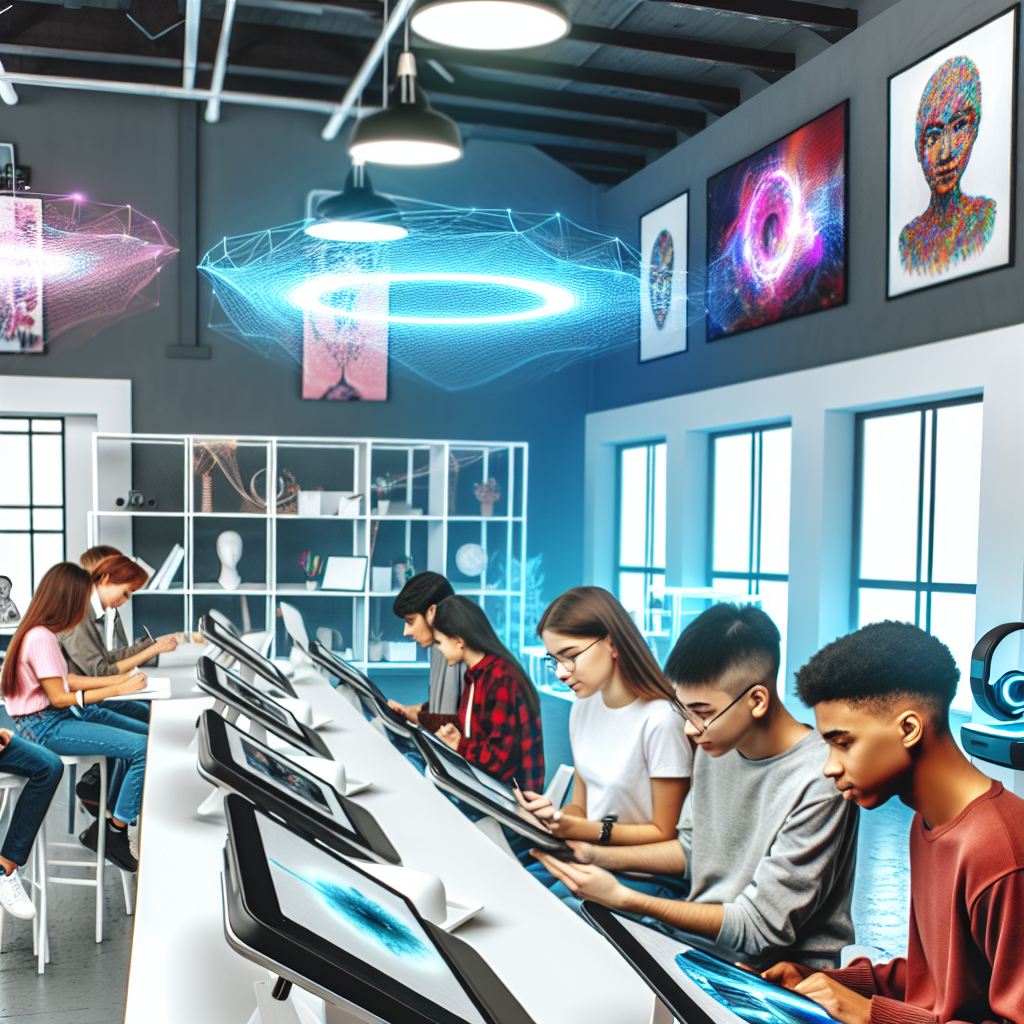
Digital artistry is no longer confined to adults or academic institutions—it has evolved into a thriving outlet for creative expression among children and teens. The fusion of advanced tools such as drawing tablets, virtual and augmented reality, AI-assisted design platforms, and 3D modeling software provides children with boundless opportunities to explore visual storytelling, character development, animation, and more. When such tools are placed in the hands of growing minds, they help cultivate critical 21st-century skills including problem-solving, critical thinking, and digital fluency.
Premium digital art studios serve an essential purpose for today’s visionary parents—they deliver customized, enriching, and forward-thinking experiences. These programs regularly include one-on-one mentorship with accomplished digital artists, small-group masterclasses, and access to exclusive software and hardware typically reserved for industry professionals. Programs are designed not merely to entertain but to inspire: showcasing how creativity and technology intersect in innovative, career-shaping ways.
Just as elite parents invest in top-tier sports coaching or elite music conservatories, now is the moment to consider digital art instruction as a central component in cultivating a child’s future. Whether your child is fascinated by animated films, sketches fantasy characters, or dreams up interactive video games, exposure to high-end digital artistic training unlocks pathways to potential careers in digital illustration, game design, architecture, fashion design, and virtual reality experience development.
With platforms like YouTube, Roblox, and the emerging metaverse emphasizing storytelling and interactivity, the demand for highly skilled digital creators continues to rise. Helping children become confident in this space is not just an artistic decision—it’s a forward-looking investment.
For parents who think beyond traditional education, digital art isn’t simply a hobby—it’s an essential skill set for thriving in a tech-centric future.
Features and Educational Value
The intersection of digital artistry and youth development is well-documented by experts in cognitive and educational sciences. Numerous studies show that creative digital environments significantly enhance developmental skills such as cognitive flexibility, fine motor coordination, and emotional intelligence.
A study published in the journal Mind, Brain, and Education by Dr. Kylie Peppler from Indiana University emphasizes the cognitive value of including digital tools in children’s creative processes. According to her findings, young learners who engage in digital art-making—especially when using tools like Adobe Creative Suite, digital animation software, and interactive design platforms—display improved spatial awareness, increased interest in STEM subjects, and stronger innovative thinking. Unlike static art tools, digital mediums allow for rapid iteration, real-time feedback, and dynamic storytelling, encouraging the iterative, problem-solving mindset of design thinking. [Read the full study](https://onlinelibrary.wiley.com/doi/full/10.1111/mbe.12048).
Further support comes from the National Endowment for the Arts report titled The Arts and Achievement in At-Risk Youth. This comprehensive research reveals that students engaged in arts programs—especially when these programs incorporate digital tools—exhibit stronger academic performance, heightened emotional resilience, and improved social skills. These capabilities are especially crucial during formative years, providing support both in and out of academic environments.
In the realm of luxury and premier childhood enrichment, leading-edge institutions like The Animation Studio in London, Pixel Academy in New York, and Digital Dragon in Los Angeles offer exclusive programs designed to nurture young, tech-savvy creatives. These studios combine state-of-the-art software like Procreate, Blender, Adobe After Effects, and Unity with instruction from reputable professionals from globally recognized companies such as Pixar, Marvel, and DreamWorks.
Classes remain intimate, tailored to each child’s level, and often include showcases, summer intensives, and certification paths that build tangible lifelong value. Students have the opportunity to build a creative portfolio, access international design competitions, and even earn scholarships or connections to early career pipelines. These connections may later prove invaluable as digital portfolios become a dominant metric of skill in professional hiring processes.
For families who frequently travel or live internationally, many premium studios offer virtual class options. This flexibility allows children to access globally respected instruction from anywhere in the world—a valuable feature for parents seeking consistent quality amid global mobility.
For families concerned about excessive screen time, it’s important to distinguish between passive scrolling and purposeful creation. Time spent in these studios involves hands-on, goal-driven digital engagement. When a child develops a short animation, constructs a 3D environment, or builds a user interface for a game, they are practicing focused creativity, learning design logic, and applying systematic thinking. These experiences not only foster artistic growth but also reinforce time management, discipline, and self-motivation.
In a world where digital literacy is quickly becoming as critical as reading or math, fluency with creative technologies can transform a child’s educational trajectory. Many high school art portfolios and college applications benefit immensely from the inclusion of digital work, ranging from animations to concept art, 3D projects, and interactive design prototypes.
Conclusion
As the contours of creativity shift in today’s digital-first world, the value of premium digital art studios for children reaches far beyond casual drawing or playful experimentation. These studios are carefully curated ecosystems built to spark imagination, build confidence, and strengthen a child’s connection to innovation through digital expression.
For parents dedicated to nurturing both creativity and future-readiness, investing in a high-end digital art education delivers unmatched returns—empowering young minds not just to imagine the future, but to confidently design it.
References
– Peppler, Kylie. “Advancing Arts Education in a Digital Age.” Mind, Brain, and Education
– National Endowment for the Arts. “The Arts and Achievement in At-Risk Youth: Findings from Four Longitudinal Studies.”
– The Animation Studio, London
– Pixel Academy, New York
– Digital Dragon, Los Angeles

Dominic E. is a passionate filmmaker navigating the exciting intersection of art and science. By day, he delves into the complexities of the human body as a full-time medical writer, meticulously translating intricate medical concepts into accessible and engaging narratives. By night, he explores the boundless realm of cinematic storytelling, crafting narratives that evoke emotion and challenge perspectives. Film Student and Full-time Medical Writer for ContentVendor.com