The Importance of Social-Emotional Learning
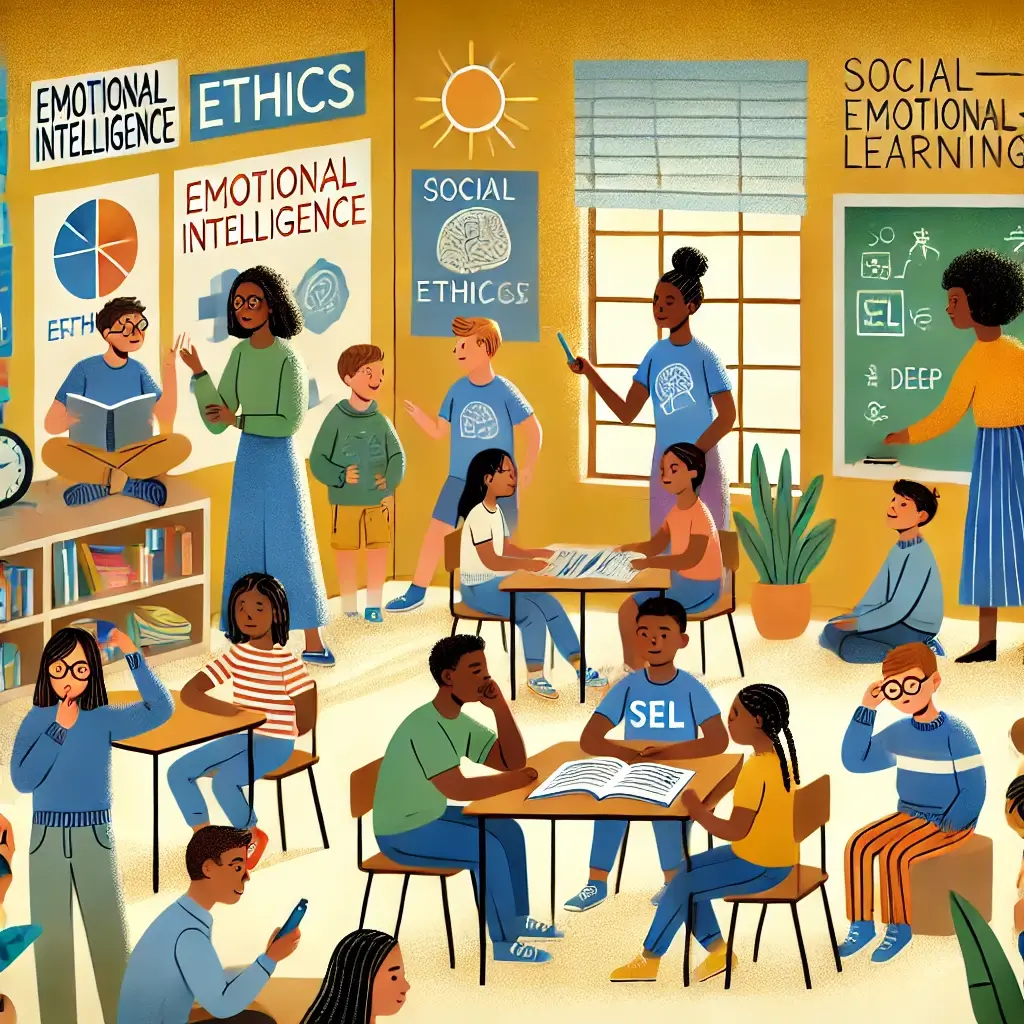
As parents, ensuring your child thrives emotionally and academically is a priority. Social-Emotional Learning (SEL) provides a pathway to achieving this balance. SEL equips children with the tools to manage emotions, build meaningful relationships, make responsible decisions, and succeed academically. Integrating SEL into school subjects helps students connect with their peers, develop resilience, and foster a love for learning. Understanding how SEL works and its benefits can empower parents to advocate for and support these programs in their children’s schools.
Modern Challenges and SEL Impact
In today’s fast-paced world, children face numerous pressures, from social media influences to academic challenges. A 2021 report from the Collaborative for Academic, Social, and Emotional Learning (CASEL) revealed that schools with robust SEL programs see improved academic results and student well-being (CASEL, 2021). Additionally, SEL has been linked to reduced anxiety, improved classroom behavior, and stronger emotional regulation, making it a vital component of holistic education.
Collaborative Learning Strategies
Group Projects: Schools encourage teamwork through collaborative assignments, teaching students to share ideas and resolve conflicts constructively. Research shows that collaboration improves problem-solving skills and increases engagement among students (Johnson & Johnson, 2009).
Peer Tutoring: Tutoring programs where older students help younger peers build empathy and strengthen learning connections. These interactions foster mutual respect and deeper subject understanding.
Building Character Through Education
Discussing Ethics: Teachers introduce moral dilemmas through stories or case studies, encouraging children to reflect and debate. Such discussions promote critical thinking and ethical decision-making skills (Lapsley & Narvaez, 2006).
Role-Playing: Fun, interactive activities like acting out historical events promote understanding of others’ perspectives. Role-playing enhances empathy and complex social interactions.
Implementing Mindfulness in Education
Yoga and Breathing: Schools include calming exercises to help children manage stress and stay focused. Mindfulness practices have been shown to reduce anxiety symptoms and improve attention spans in children (Semple et al., 2010).
Mindful Moments: Brief pauses during lessons to practice gratitude or calm breathing. These moments cultivate a sense of calm and emotional regulation, preparing students for better academic engagement.
Developing a Growth Mindset
Positive Encouragement: Reinforcing that mistakes are learning opportunities helps children embrace challenges. Carol Dweck’s research on growth mindset emphasizes fostering resilience and adaptability (Dweck, 2006).
Celebrating Efforts: Recognizing persistence and improvement boosts confidence and inspires continued effort, even in challenging tasks.
Engaging with the Community
Volunteer Projects: Activities like neighborhood cleanups teach children the value of giving back. Such projects promote social responsibility and sense of accomplishment.
Real-World Problem Solving: Applying classroom lessons to practical issues develops critical thinking and teamwork. For instance, science experiments tied to environmental conservation can engage children in meaningful ways while reinforcing academic concepts.
Looking to the Future
Social-Emotional Learning is a vital part of modern education that benefits children at home and in the classroom. By supporting SEL programs, parents help their children grow into emotionally intelligent, empathetic, and academically successful individuals. The impact of SEL extends far beyond school, shaping children into well-rounded individuals who can navigate life’s complexities with confidence and compassion. Partnering with schools, participating in SEL activities at home, and staying informed about SEL initiatives ensure a brighter, more emotionally balanced future for the next generation.
Academic Sources
CASEL. (2021). What is SEL? Collaborative for Academic, Social, and Emotional Learning. Retrieved from https://casel.org/what-is-sel/
Dweck, C. S. (2006). Mindset: The New Psychology of Success. Random House.
Johnson, D. W., & Johnson, R. T. (2009). An Educational Psychology Success Story: Social Interdependence Theory and Cooperative Learning. Educational Researcher, 38(5), 365-379.
Lapsley, D. K., & Narvaez, D. (2006). Character education. In W. Damon & R. M. Lerner (Eds.), Handbook of Child Psychology: Vol. 4. Child Psychology in Practice (6th ed., pp. 248-296). Hoboken, NJ: Wiley.
Semple, R. J., Lee, J., Rosa, D., & Miller, L. F. (2010). A randomized trial of mindfulness-based cognitive therapy for children: Promoting mindful attention to enhance social-emotional resiliency in children. Journal of Child and Family Studies, 19(2), 218-229.

Dominic E. is a passionate filmmaker navigating the exciting intersection of art and science. By day, he delves into the complexities of the human body as a full-time medical writer, meticulously translating intricate medical concepts into accessible and engaging narratives. By night, he explores the boundless realm of cinematic storytelling, crafting narratives that evoke emotion and challenge perspectives. Film Student and Full-time Medical Writer for ContentVendor.com