Why “Quiet Luxury” for Kids Is the Next Untapped $10B Niche (And No One’s Talking About It)
Introduction
In an era where consumerism often veers towards extravagance, a surprising trend is quietly reshaping the **luxury market**—and it involves the youngest members of the family. **“Quiet luxury,”** a term that signifies subtlety and exclusivity without overt branding, is gaining traction among **affluent parents** who seek to instill values of understated elegance and durability in their children from an early age.
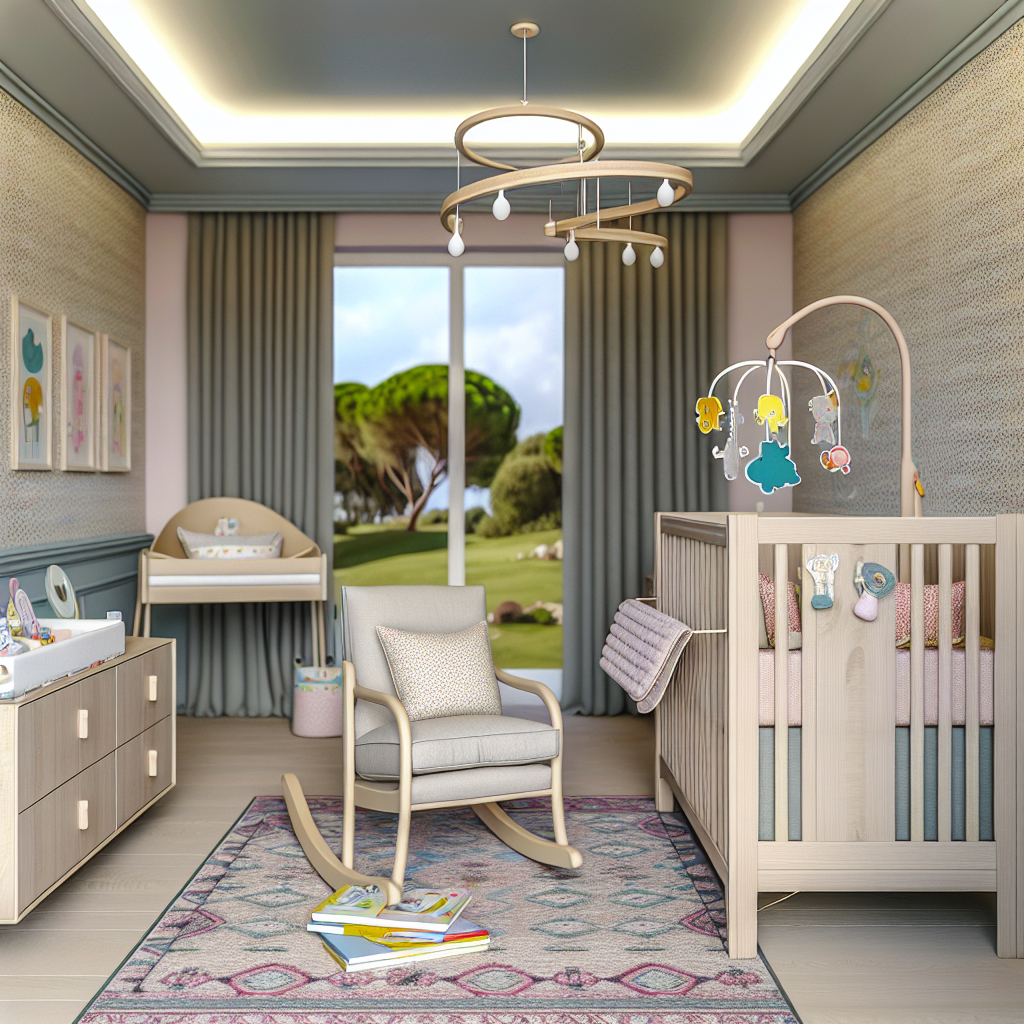
Quiet luxury for kids is a concept that blends the upscale with the subtle, emphasizing **craftsmanship**, **quality**, and **timelessness**. Unlike typical luxury brands that often come with conspicuous logos and flamboyant designs, quiet luxury emphasizes less obvious indicators of prestige—often only recognizable by those familiar with such brands. Clothing, toys, furniture, and even travel experiences in this niche aim to provide the utmost quality without the need for flashy logos or loud declarations of wealth.
**Parents of means** are increasingly aware of the impact their spending decisions have, not only on the environment but also on their children’s upbringing. With **climate change** becoming an ever-growing concern and the **conscious consumption** movement on the rise, affluent parents are seeking sustainable, ethical choices that reflect care for both the environment and their children’s futures. Quiet luxury aligns perfectly with these values, offering high-quality materials that last longer, thereby reducing waste and offering a more sustainable option.
Furthermore, the mental and emotional well-being of children is another concern for modern parents. By choosing quieter luxury options, parents teach their children that worth is not tied to ostentatious display but rather to quality and personal satisfaction. As young consumers, children learn from their environment, and the choice of minimalistic luxury becomes an educational tool in their development.
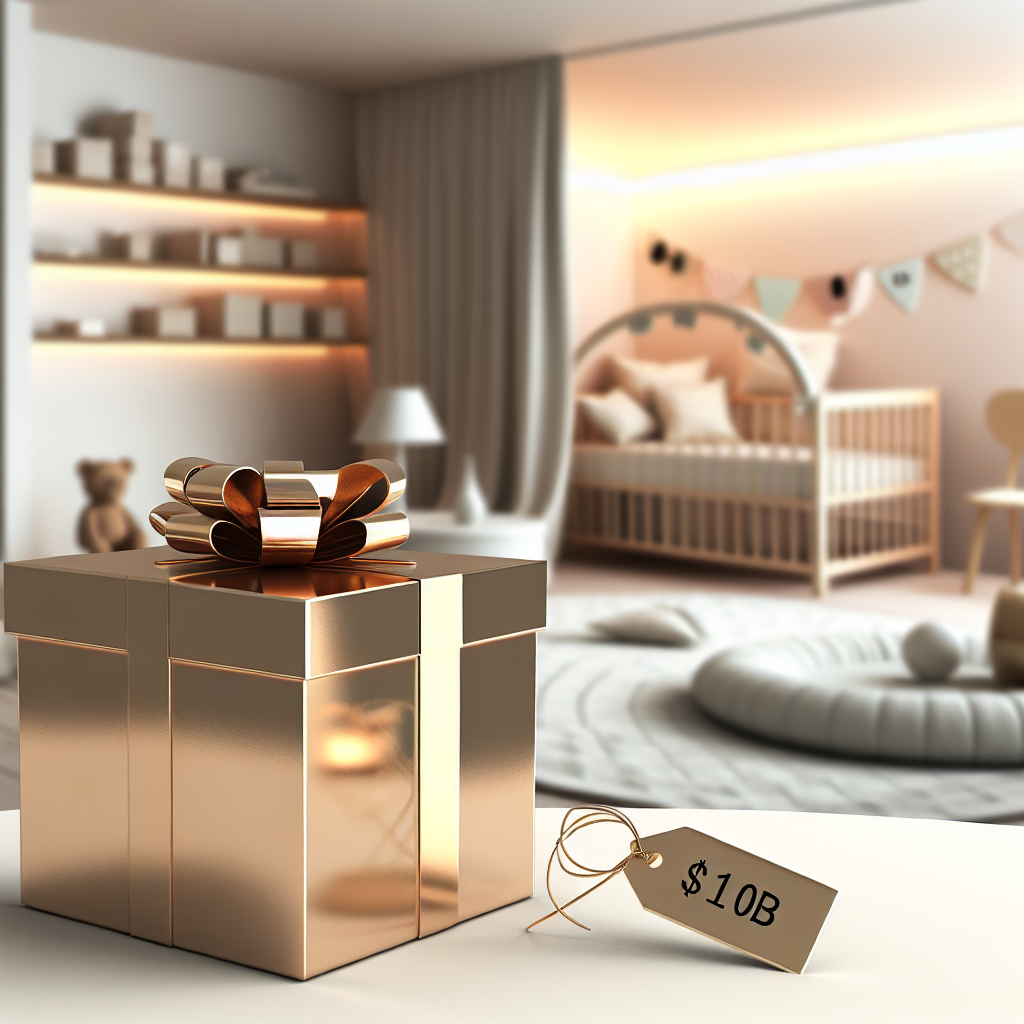
Interestingly, despite its potential to command a **$10 billion market**, quiet luxury for kids remains an underexplored area—a niche within a niche that savvy marketers and brand developers have yet to fully tap into. As affluent parents continue to veer towards discreet, meaningful luxury, this market stands poised for substantial growth, offering opportunities for brands willing to embrace this refined form of opulence.
Features
The potential of quiet luxury as a niche market for children is supported by several professional and social studies pointing towards a shift in consumer preferences and parenting philosophies. According to a study by Bain & Company, the luxury market is evolving, with consumers veering away from logos and conspicuous consumption towards more meaningful, experience-oriented investments. This shift aligns with the aspirations of modern parents who prioritize **environmental sustainability** and **ethical consumption**.
Moreover, psychological studies suggest that children who grow up in environments that emphasize intrinsic values over materialism show better mental health outcomes. Research published in the Journal of Positive Psychology indicates that focusing on internalities—attributes like **kindness**, **empathy**, and **understanding**—over externalities such as appearance and wealth can positively affect a child’s emotional well-being.
For affluent families, choosing quiet luxury provides an opportunity to reinforce such values. Brands that cater to this niche often emphasize ethical practices, sustainable sourcing, and high-quality craftsmanship. This approach aligns with the findings from Northwestern University’s Kellogg School of Management, which suggest that consumers demonstrate increased loyalty towards brands that they perceive as both socially responsible and committed to sustainability. More information on this study can be found in The Sustainable Advantage: Drawing Consumers to Corporate Responsibility.
Aside from sustainability, quiet luxury also contributes to the cognitive development of children. Simplified, elegant designs in toys and children’s clothing foster an environment free from overstimulation, allowing for more focused learning and creativity. The emphasis on quality over quantity encourages children to form deeper attachments to fewer, well-crafted items, cultivating a mindset of appreciation and mindfulness from an early age.
In a landscape of rapidly changing trends, quiet luxury represents stability and endurance—qualities that resonate deeply with discerning parents who desire the best for their children. By embracing this niche, brands can instill values of subtlety and substance in the next generation, ensuring their lifestyles are not only luxurious but also meaningful.
Conclusion
Quiet luxury for kids is not just a fleeting trend; it’s a burgeoning movement towards refined elegance and sustainable choices that appeal to modern, affluent families. As we look towards a future where **conscious consumerism** becomes the norm, this emerging market offers a unique opportunity for growth and innovation. For parents and brands alike, quiet luxury represents a promise of quality, ethics, and understated sophistication that’s worth embracing in shaping the lives of the youngest generation.

Dominic E. is a passionate filmmaker navigating the exciting intersection of art and science. By day, he delves into the complexities of the human body as a full-time medical writer, meticulously translating intricate medical concepts into accessible and engaging narratives. By night, he explores the boundless realm of cinematic storytelling, crafting narratives that evoke emotion and challenge perspectives. Film Student and Full-time Medical Writer for ContentVendor.com