“`html
Why the Next Billion-Dollar Brand Will Be Built for 7-Year-Olds (By 7-Year-Olds)
Introduction
In today’s dynamic landscape of **consumer goods**, the concept of **luxury** is undergoing a paradigm shift. The traditional notions of luxury, once centered around exclusivity and adult-centric indulgence, are rapidly evolving. Enter the next generation: the **tech-savvy**, entrepreneurial, and imaginative **7-year-olds**. Yes, these young minds might just be the architects of the next billion-dollar brand, designed by them and for them.
Why focus on **7-year-olds**, you might ask? This age marks a pivotal period where curiosity, creativity, and cognitive development intersect. According to **Jean Piaget**, a renowned **cognitive psychologist**, children around the age of seven enter the “Concrete Operational Stage,” where they begin to think logically about concrete events. This cognitive leap combines with an environment rich in digital influence, allowing children to engage with technology in profound ways. Imagine harnessing this burgeoning curiosity and capability into crafting luxury products that truly speak their language.
Furthermore, this isn’t just about kids making toys for themselves. It’s about recognizing that today’s children live in a dramatically different world compared to previous generations. Many 7-year-olds are proficient in apps that adults struggled to learn in their 20s. They are active participants in communities, whether through gaming or educational platforms, experiencing globalization in ways unprecedented. It’s not far-fetched to predict that these digital natives will redefine luxury by merging their tech fluency with fresh, unencumbered perspectives.
This shift presents an untapped opportunity for brands aiming to connect with younger audiences authentically. By involving kids in the design and concept stages, companies could tap into creations that are relevant, engaging, and genuinely reflective of the modern child’s lifestyle. It’s a winning strategy—fostering creativity and innovation while simultaneously unlocking a loyal customer base that has had a say in the creation of its own consumption experiences. Now, let’s delve into the professional and academic insights supporting this fascinating proposition.
Features
To fully appreciate why **7-year-olds** could be the incubators of the next big luxury brand, it’s essential to explore academic and professional perspectives that validate this notion.
A 2018 study published in the Journal of Experimental Child Psychology highlighted the increased cognitive and creative capabilities of 7- to 8-year-olds. Researchers found that children in this age group demonstrate increased **problem-solving skills** and **divergent thinking**, which are crucial in product design and innovation.
Another pertinent field of study involves child development and technology. A report by the Joan Ganz Cooney Center at Sesame Workshop examined how young digital natives interact with technology, revealing that exposure to digital tools at an early age not only enhances cognitive functions but also fosters a sense of **entrepreneurship**. These children are not just passive consumers but active content creators and collaborators, reflecting an inherent understanding of digital ecosystems that could translate into market-ready products designed by young visionaries.
Professional insights from the luxury market also give credence to this trend. Tiffany & Co., for instance, has been investing in interactive workshops that allow children to co-create jewelry designs. Insight from a market report by Bain & Company introduced the notion of “Generational Brands,” emphasizing the importance of co-creation and how it not only attracts young consumers but also builds long-term brand loyalty. With the luxury children’s market expected to reach $18 billion by 2025, the entrepreneurial and creative inputs of kids are becoming valuable assets for high-end brands seeking sustainable growth.
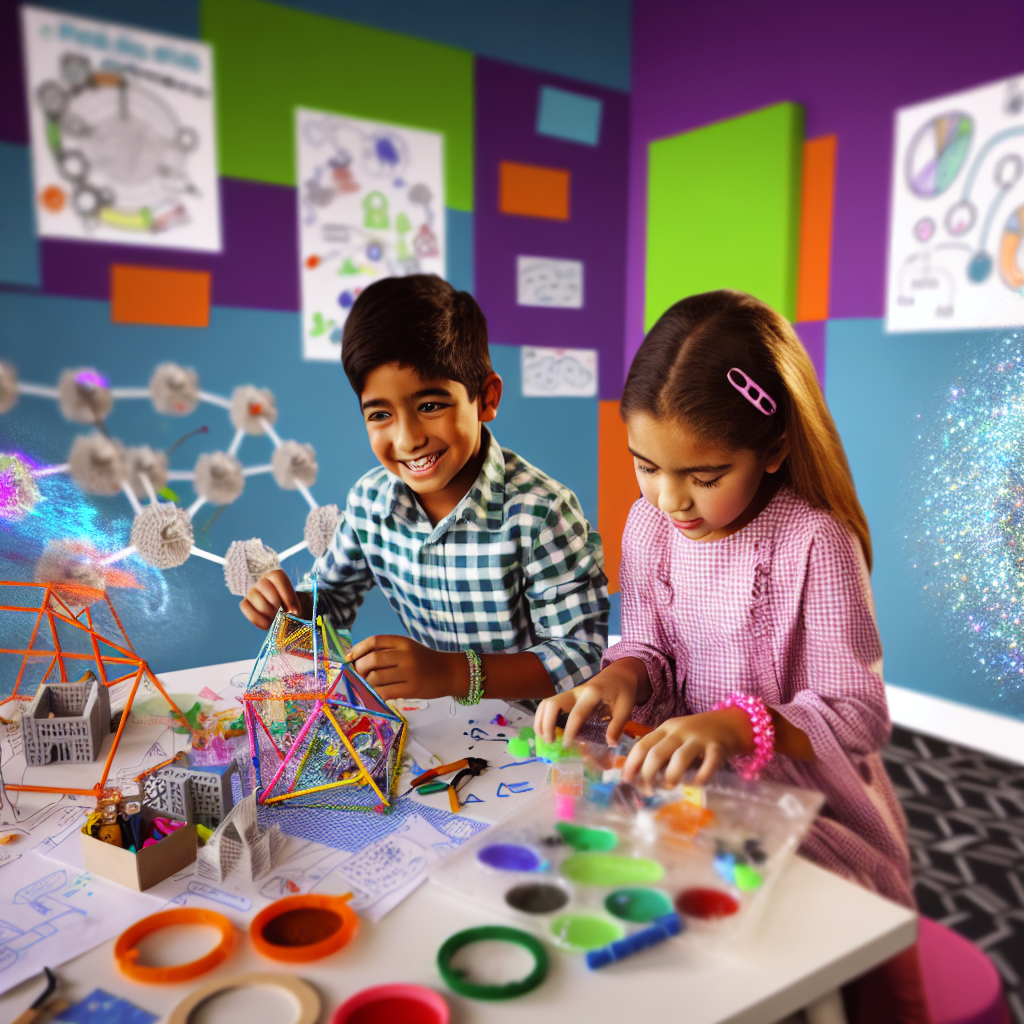
Educational sectors are also evolving to nurture the entrepreneurial spirit among young children. Schools adopting **STEAM** (Science, Technology, Engineering, Arts, Mathematics) curricula are encouraging hands-on projects where children tackle real-world problems. This educational focus equips them with skills pivotal to innovation and design thinking, aligning perfectly with the potential for 7-year-olds to create impactful brands.
In summary, a confluence of cognitive development, technological proficiency, and educational advancements paves the way for the next billion-dollar brand, built by 7-year-olds for their peers.
Conclusion
As we stand on the cusp of a new era where young minds craft the luxury landscape, it’s crucial to appreciate and support this innovative trend. Engaging 7-year-olds in brand-building not only capitalizes on their unique insights but also molds a consumer landscape reflective of genuine needs and desires. Such an approach promises not just economic gains but a future where luxury truly resonates with its most untapped audience—children.
References
1. Journal of Experimental Child Psychology
2. Joan Ganz Cooney Center at Sesame Workshop
3. Bain & Company Luxury Market Report
“`

Dominic E. is a passionate filmmaker navigating the exciting intersection of art and science. By day, he delves into the complexities of the human body as a full-time medical writer, meticulously translating intricate medical concepts into accessible and engaging narratives. By night, he explores the boundless realm of cinematic storytelling, crafting narratives that evoke emotion and challenge perspectives. Film Student and Full-time Medical Writer for ContentVendor.com