“`html
Smart Glass Classrooms: Augmented Reality Learning at Home
Introduction
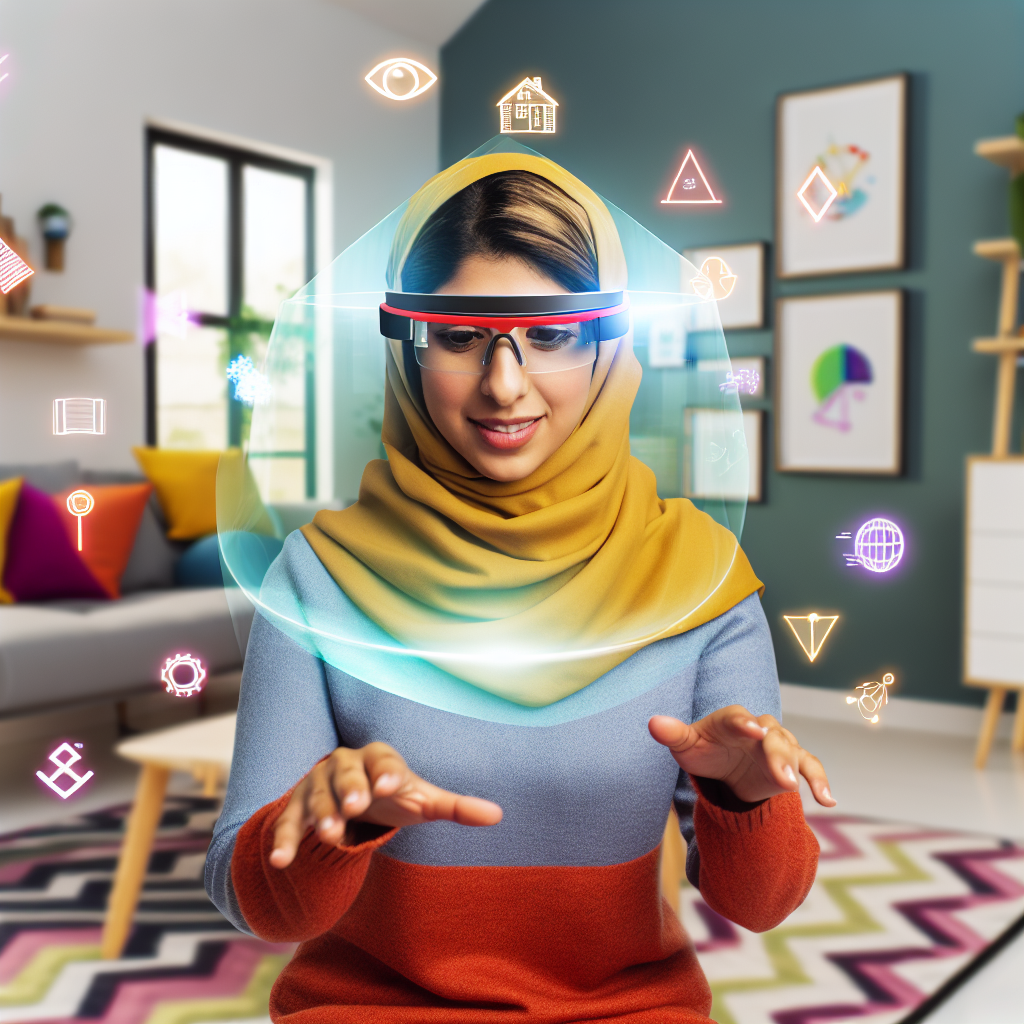
In the realm of modern education, the rapid evolution of technology is reshaping the way children learn, creating a paradigm shift from traditional classrooms to immersive, interactive digital experiences. For parents who value a luxurious lifestyle enriched by cutting-edge innovation, Smart Glass Classrooms using Augmented Reality (AR) present a fascinating frontier. Imagine your child unleashing their full potential through lifelike simulations, where abstract concepts transform into engaging realities. This isn’t just about convenience; it’s about providing a tailored learning environment that adapts to each child’s unique pace and style, ensuring they not only keep up but excel in today’s ever-changing world.
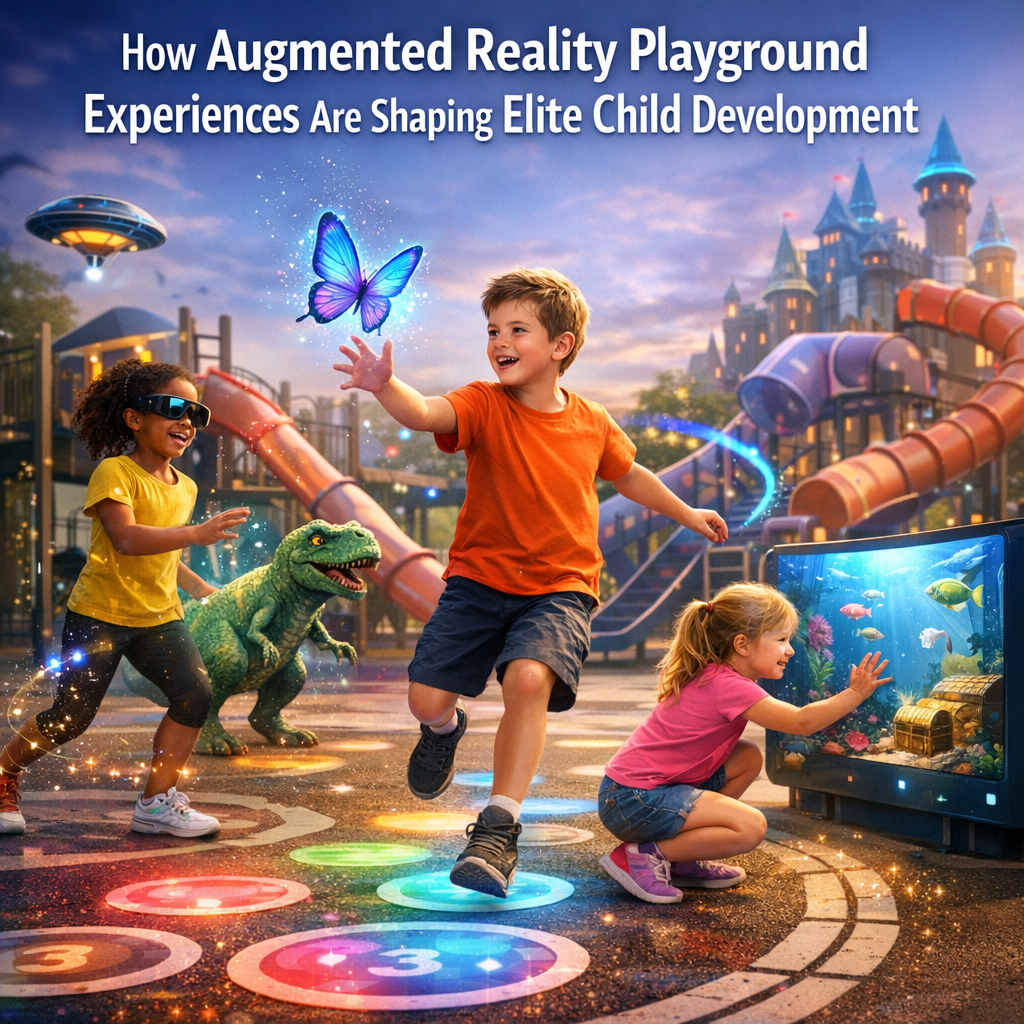
AR learning at home wears the guise of an average study session yet packs the punch of a dynamic exploration arena. Gone are the days when geometry was confined to the pages of a dull textbook. With AR, children can visualize three-dimensional shapes popping off the screen, manipulate them, and even participate in virtual treasure hunts for angles and perimeters. Chemistry lessons spring to life as students observe interactive molecules floating in their living rooms, understanding reactions by simulating them firsthand. The Saxon monasteries of medieval England, the architectural chic of Roman Empire cities, and the wonders of the Great Wall become personal tours guided by AR.
Beyond academics, AR’s potential in fostering creativity cannot be understated. Unlike passive learning methods, AR encourages active participation, sparking curiosity as students delve deeper into topics with enthusiastic engagement. Furthermore, it bridges the physical distance between student and teacher, offering personalized assistance and feedback without the confines of a fixed classroom location. The combination of visual and interactive stimuli not only enhances comprehension but also boosts memory retention, ensuring that the knowledge gained sticks around longer.
The marriage of cutting-edge technology and education promises a future where learning is not only adapted to modern-day needs but is also boundaryless. Children are empowered to transcend physical limitations and cultural barriers, accessing global pedagogical content with just a swipe or a nod. This technological leap ensures they are prepared for a globalized world, equipped with analytical prowess and creative insight that future industries demand.
Features
The potential of Smart Glass Classrooms and AR in home-based learning is supported by a burgeoning body of academic and professional studies, each underscoring the transformative power these tools hold. The [Educational Technologies Research and Development](https://link.springer.com/) journal recently published a study highlighting the significant improvement in students’ spatial abilities when engaging with AR applications compared to traditional methods. The findings demonstrated a marked increase in students’ ability to comprehend and retain complex spatial information, a skill imperative in fields such as mathematics, engineering, and design.
Moreover, a study conducted by the [Harvard Graduate School of Education](https://www.gse.harvard.edu/) explored AR’s impact on student motivation and engagement, key factors for effective learning. Findings showed a substantial boost in both parameters among students using AR-based learning resources, reaffirming that these tools can transform passive learners into active participants, deeply involved in their educational journey.
From a neuroscience perspective, a study published in the [Journal of Educational Psychology](https://www.apa.org/pubs/journals/edu) emphasized the symbiotic relationship between AR and cognitive development. The interactive nature of AR is shown to activate multiple neural networks simultaneously, which enhances cognitive processing speeds and improves memory recall. These findings suggest that AR learning environments are not merely augmenting traditional education but are enhancing the brain’s natural learning processes.
Finally, the [University of Central Florida’s Institute for Simulation and Training](https://www.ist.ucf.edu/) explored how AR platforms foster collaborative skills in children. The study illustrated that AR applications encourage students to work together on problem-solving tasks, enhancing social skills and teamwork abilities essential for personal and professional success. The participatory and interactive aspects of AR ensure that children are not just consumers of digital content but collaborative creators.
Conclusion
As we embrace the future of education, Smart Glass Classrooms and AR learning represent more than just technological novelties—they are essential tools for developing the thinkers, leaders, and innovators of tomorrow. By integrating these elements into home learning environments, parents of means provide their children with unparalleled opportunities to excel in both academia and beyond, ensuring a bright, empowered future. In a world that demands adaptability and creativity, these pioneering educational approaches offer not just potential but possibilities that are truly limitless.
References
1. [Educational Technologies Research and Development](https://link.springer.com/)
2. [Harvard Graduate School of Education](https://www.gse.harvard.edu/)
3. [Journal of Educational Psychology](https://www.apa.org/pubs/journals/edu)
4. [University of Central Florida’s Institute for Simulation and Training](https://www.ist.ucf.edu/)
“`

Dominic E. is a passionate filmmaker navigating the exciting intersection of art and science. By day, he delves into the complexities of the human body as a full-time medical writer, meticulously translating intricate medical concepts into accessible and engaging narratives. By night, he explores the boundless realm of cinematic storytelling, crafting narratives that evoke emotion and challenge perspectives. Film Student and Full-time Medical Writer for ContentVendor.com