How Augmented Reality Playground Experiences Are Shaping Elite Child Development
Introduction
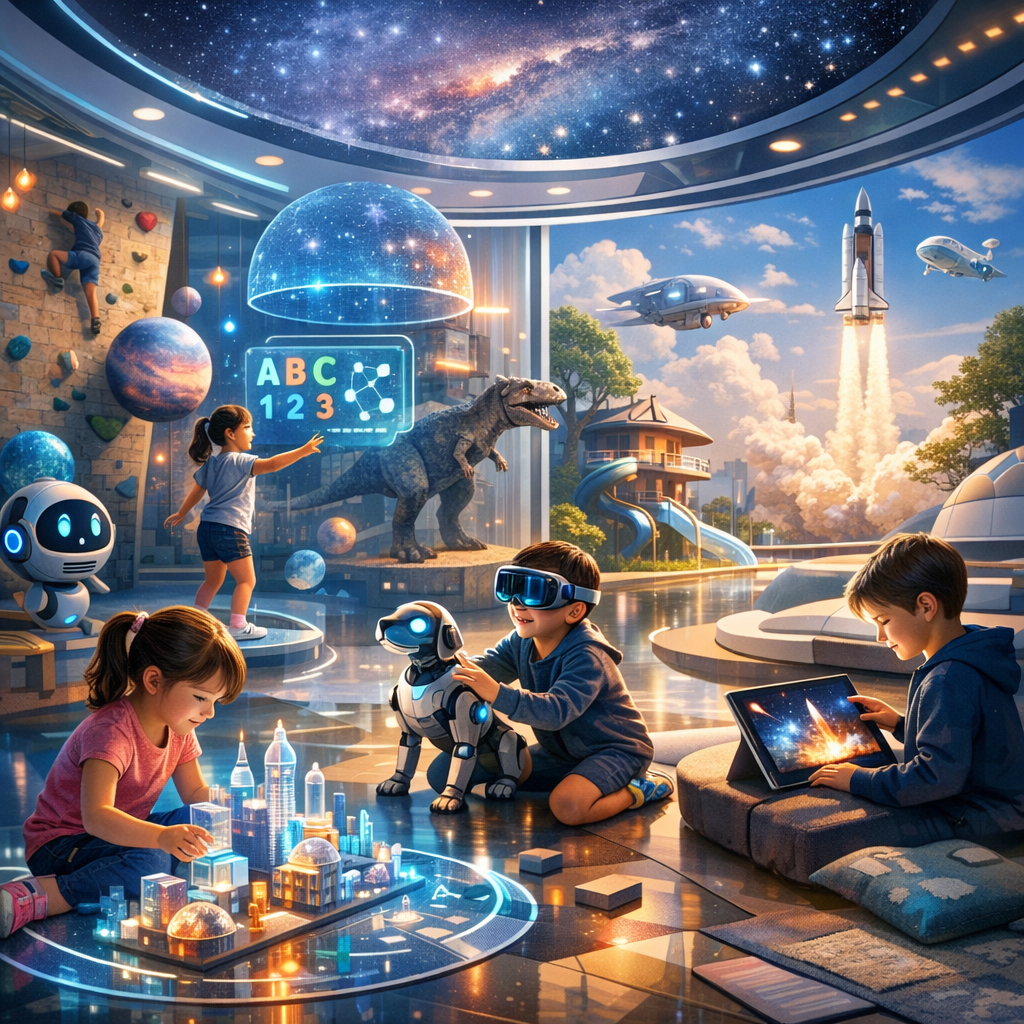
As technology continues to revolutionize every facet of our lives, it’s also redefining childhood experiences, especially for those with access to cutting-edge advancements. One such revolution is the integration of Augmented Reality (AR) in playgrounds, offering children astounding, immersive experiences that blend the physical and digital worlds. In today’s elite circles, ensuring a child’s development is not only about traditional education or extracurriculars but also involves leveraging cutting-edge technologies that can provide leaps in learning paradigms and recreational activities. Welcome to the world of Augmented Reality playgrounds—where imagination meets state-of-the-art technology, and children learn and play in ways previously thought impossible.
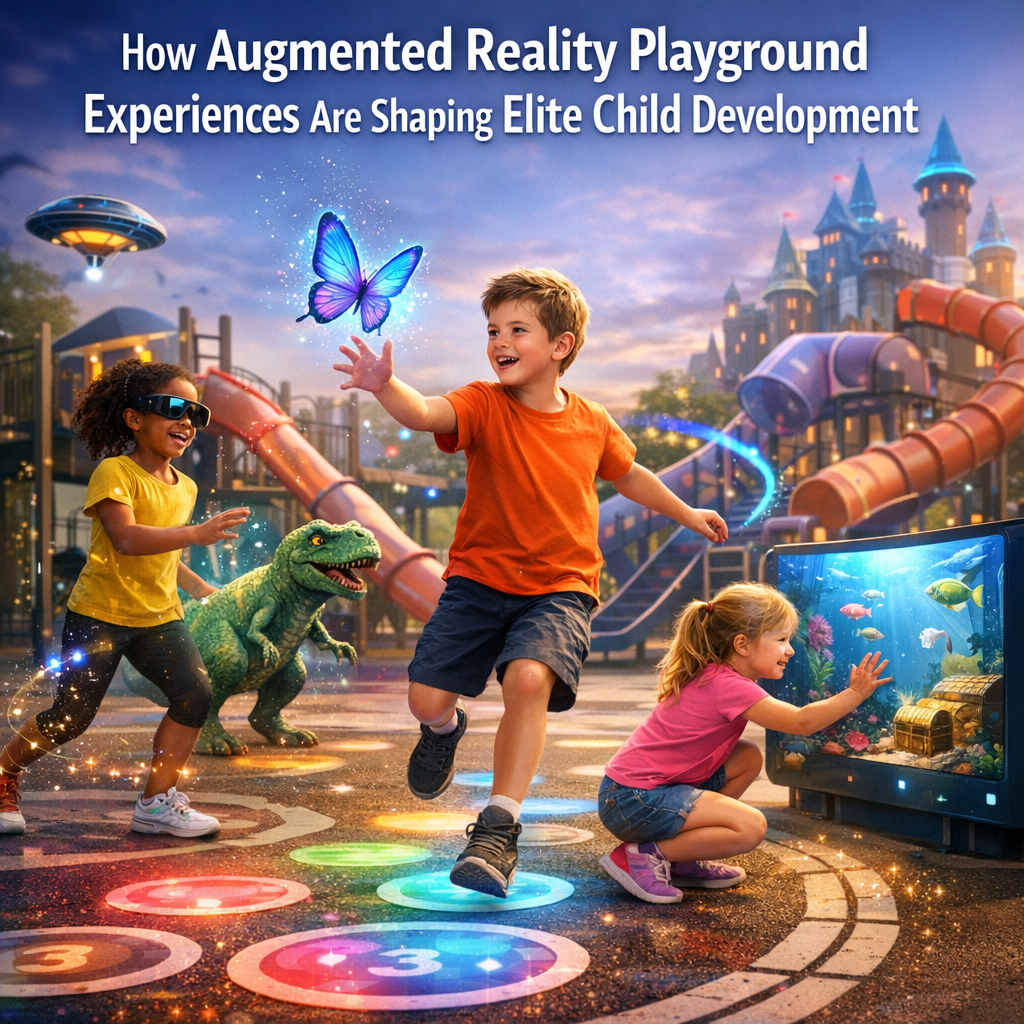
Augmented Reality has the potential to enhance cognitive, social, and motor skills by creating environments that can simultaneously engage multiple senses and encourage interactive participation. AR playgrounds combine the tangible benefits of outdoor play with digital enhancements that can customize activities to suit diverse learning styles and developmental needs. Imagine children exploring a playground where thematic augmented experiences allow them to journey through space, dive under the sea, or embark on historical adventures, all while remaining within a safe, controlled environment. These immersive experiences are not mere fantasy; they provide a powerful platform for elite child development, offering a new level of interaction that reinvigorates traditional play scenarios.
For parents with means, access to such pioneering technologies not only elevates their child’s playtime but also actively contributes to their cognitive growth and social development. The sophistication of AR enables the design of experiences that promote problem-solving, critical thinking, and collaboration—skills crucial for future success. Furthermore, as these technologies advance, they promise to break down barriers for remote interaction, allowing children to join global cohorts in shared learning environments. This is the frontier of elite child development—fostering not only individual brilliance but equipping the next generation with the skills to thrive in a connected, tech-driven world.
Features
A growing body of research supports the efficacy of Augmented Reality in educational contexts. A notable study published in the Journal of Educational Technology & Society examined how AR applications in learning environments significantly increased student engagement and motivation due to their interactive nature and the novelty of immersive experiences. The study found that using AR in conjunction with physical activities in playgrounds can enhance the retention of information and improve comprehension, attributes that are directly transferrable to other learning scenarios. [Source](https://www.j-ets.net/getFile.php?file=21_2_367).
Another research focus is on AR’s impact on cognitive and social development in children. A study by the International Journal of Child-Computer Interaction found that AR play environments contribute to enhancing spatial awareness, memory, and even creativity. The dynamic characteristics of AR allow children to experiment with scenarios and solve problems in real-time, fostering an adaptive thinking style that is highly advantageous in both academic contexts and real-world applications. [Source](https://www.j-ijcci.org/article/view/20).
Moreover, AR experiences offer a unique opportunity to support social skill development. By incorporating collaborative tasks and team challenges into AR games, children learn the importance of communication, teamwork, and leadership abilities. The social dimension of AR in playgrounds is especially salient, as it encourages children to engage with peers to navigate challenges and achieve common goals, much like future professional environments. A study featured in Frontiers in Psychology highlighted that AR’s potential to facilitate inclusive play could prove beneficial in developing empathetic and culturally aware individuals amongst youth. [Source](https://www.frontiersin.org/articles/10.3389/fpsyg.2018.01209/full).
Conclusion
Augmented Reality playgrounds represent a significant advancement in child development, marrying innovative technology with foundational learning principles. For families poised to embrace this advancement, the blend of AR with traditional play opens up a realm of possibilities for holistic development. As AR continues to evolve, it promises to redefine the elite learning experience, laying a robust foundation for children to grow into well-rounded and future-ready individuals. In narrative and mind, Augmented Reality is not just a playground novelty but a profound tool in shaping the leaders of tomorrow.

Dominic E. is a passionate filmmaker navigating the exciting intersection of art and science. By day, he delves into the complexities of the human body as a full-time medical writer, meticulously translating intricate medical concepts into accessible and engaging narratives. By night, he explores the boundless realm of cinematic storytelling, crafting narratives that evoke emotion and challenge perspectives. Film Student and Full-time Medical Writer for ContentVendor.com