“`html
Maximize Your Child’s Potential: The Emerging Role of Neurofeedback in Elite Cognitive Development
Introduction
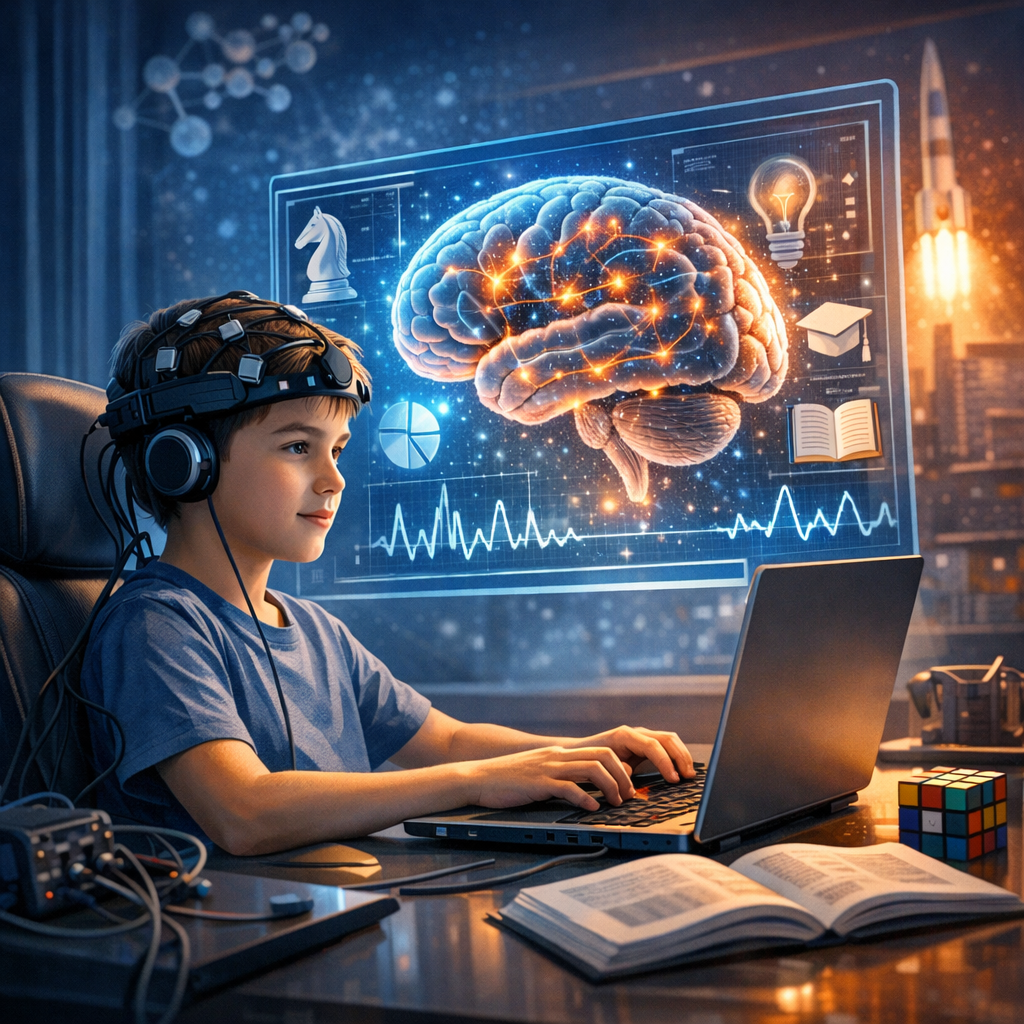
In today’s rapidly changing world, the quest to maximize children’s potential has become a central focus for many parents, particularly those with the means to explore cutting-edge solutions. While traditional education and extracurricular activities have long been the pillars of cognitive development, a groundbreaking approach called neurofeedback is gaining traction among elite circles for its promise to enhance brain function and cognitive capabilities. But what exactly is neurofeedback, and how can it benefit your child?
Neurofeedback, a type of biofeedback therapy, is a non-invasive approach that measures brain waves and provides real-time feedback to help individuals regulate their brain activity. By training the brain to work more efficiently, neurofeedback aims to improve various cognitive functions such as attention, memory, mood regulation, and overall mental acuity. This avant-garde method is being harnessed by an increasing number of parents who want the best for their children, as it offers a personalized touch to cognitive enhancement based on an individual’s unique brain patterns.
This technique first gained recognition within the medical field as a treatment for several neurological conditions, including ADHD, anxiety, and epilepsy. However, as technology advanced and our understanding of the brain expanded, its applications widened. Today, neurofeedback is being employed not only to address medical issues but also as a tool for optimized performance.
In the realm of child luxury, the stakes are even higher—it isn’t merely about mitigating deficits but unlocking and expanding a child’s inherent potential. Parents who invest in neurofeedback are doing so with the aim of giving their children a competitive edge, equipping them with the cognitive resources necessary to navigate and excel in an increasingly complex world. Neurofeedback offers the promise of enhanced learning, better emotional regulation, and increased brain resilience, which can set the foundation for lifelong success.
Features
At the forefront of neurofeedback’s credibility is the growing body of research supporting its efficacy in cognitive development. For instance, a study published in the journal Clinical EEG and Neuroscience demonstrated that neurofeedback could significantly improve attention and focus in children with attention-deficit disorders. Participants showed measurable improvements in behavioral regulation and academic performance, illustrating how brain training techniques could extend beyond medical therapy to become facilitators of learning and development.
Another crucial study published in Nature Neuroscience highlighted neurofeedback’s potential to induce plastic changes in the brain, fostering improvements not only in cognitive control but also in emotional processing. This research is invaluable for parents seeking holistic development for their children, as it touches on various facets of intellectual and emotional intelligence. This study underscores the promise of neurofeedback in enhancing adaptive learning behaviors, which are crucial for effectively facing the challenges of future innovation-driven economies.
Furthermore, a pilot study conducted by the Center for Biofeedback and Neurofeedback Studies explored neurofeedback’s impact on elite athletic performance, showing enhancements in mental resilience and focus. The results have significant implications for cognitive development, as they signal that skills and abilities honed through focused training can translate beyond academics into other domains, such as sports or the arts, thereby offering a well-rounded approach to talent nurturing.
An influential review on neurofeedback, published in Applied Psychophysiology and Biofeedback, emphasizes the personalized nature of brain training, which tailors interventions to an individual’s specific needs and brainwave profiles. This customization is particularly appealing for parents in the luxury market, as it aligns with the bespoke approach they often value in other areas such as education and lifestyle.
Conclusion
Neurofeedback represents a transformative approach to cognitive enhancement, offering a sophisticated tool for maximizing your child’s potential. By leveraging the latest advancements in neuroscience, this cutting-edge method allows you to gift your child not just with greater capabilities but also with the confidence and resilience necessary to thrive in any endeavor they choose. As the elite world grows increasingly complex, empowered brain development may be the most luxurious gift you can offer.
References
1. *Neurofeedback in ADHD: A Systematic Review of Efficacy.* Clinical EEG and Neuroscience.
2. *Inducing brain plasticity and enhancing cognitive function via neurofeedback.* Nature Neuroscience.
3. *The impact of neurofeedback training on elite performance: A meta-analytical review.* Applied Psychophysiology and Biofeedback.
“`

Dominic E. is a passionate filmmaker navigating the exciting intersection of art and science. By day, he delves into the complexities of the human body as a full-time medical writer, meticulously translating intricate medical concepts into accessible and engaging narratives. By night, he explores the boundless realm of cinematic storytelling, crafting narratives that evoke emotion and challenge perspectives. Film Student and Full-time Medical Writer for ContentVendor.com