Unconventional Environments: How Your Child’s Bedroom Design Boosts Intelligence and Creativity
Introduction
In today’s fast-paced world, cultivating an environment that nurtures intelligence and creativity is more important than ever, especially for children. As parents who prioritize luxurious and thoughtful living, it’s only natural to extend this mindset into our children’s spaces. Gone are the days of seeing children’s bedrooms as merely places to sleep; today, they are environments ripe with the potential to significantly impact cognitive growth and creative development.
Our understanding of how physical environments shape our minds is rapidly evolving. With research revealing that we spend approximately 90% of our time indoors, the spaces in which our children reside play a crucial role in their developmental years. Children’s bedrooms, in particular, serve as personal sanctuaries where imagination can flourish. Thus, these spaces should be designed thoughtfully to stimulate young minds positively.
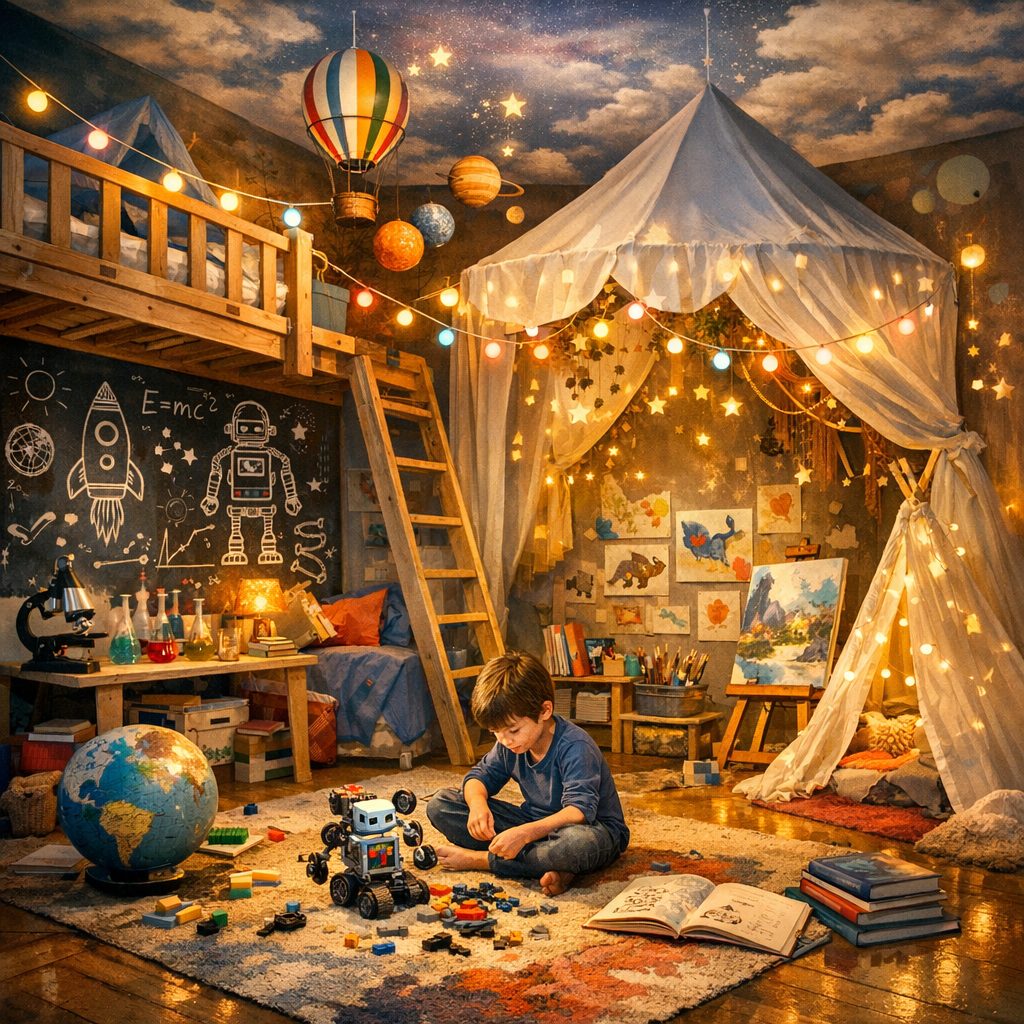
The concept of designing for intelligence and creativity goes beyond the inclusion of traditional study desks or bookshelves. It involves integrating elements that spark curiosity, encourage problem-solving, and foster a lifelong love for learning. Colors, textures, light, and even room layout all contribute to this process.
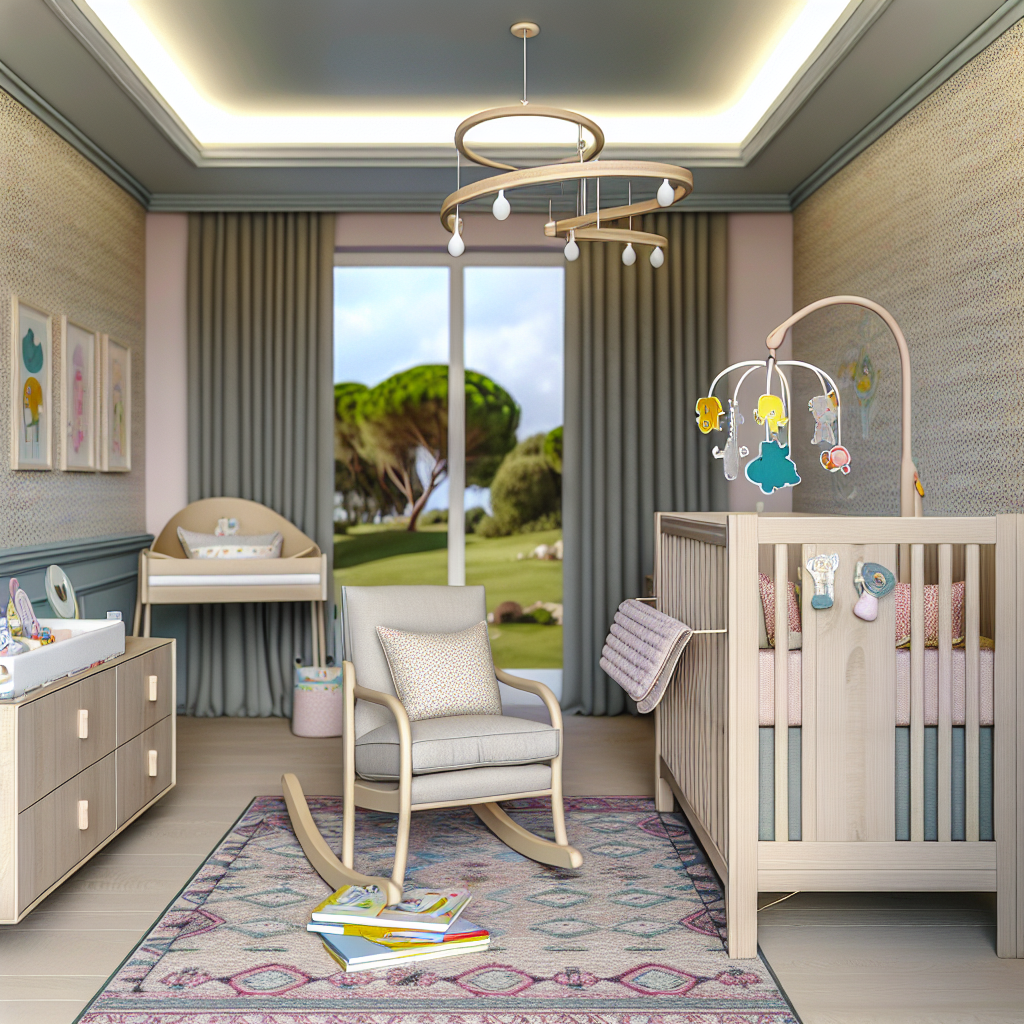
For instance, using a mix of soothing colors such as blues and greens can provide a calming backdrop that promotes focus, while vibrant hues like oranges and yellows invite inspiration and energy. The spatial arrangement can also play a key role; an uncluttered space with both structured and flexible zones ensures that children have areas for both organized learning and imaginative play. Moreover, including diverse textures within the room’s decor, from soft carpets to tactile wall features, can enhance sensory experiences that support cognitive development.
Luxury isn’t about excess; it’s about crafting experiences that are holistic and intentional. A well-designed bedroom can serve as a microcosm of wonder, inviting children to explore and perpetually question the world around them. By considering how each element within these spaces can ignite a child’s imagination and intellect, we lay the groundwork for a learning-rich environment that extends beyond formal education.
Features
Compelling findings from research in environmental psychology and neuroscience offer substantial insights into the interplay between environment and cognitive development. According to a study published in the Journal of Environmental Psychology, children’s interactions with their spatial environments profoundly influence their problem-solving abilities and creativity. The study suggests that children exposed to varied and colorful environments exhibit higher levels of curiosity, demonstrating enhanced cognitive flexibility and creativity.
Another pertinent study by the University of British Columbia explored the impact of natural elements within indoor spaces on cognitive function. The research found that exposure to nature and naturalistic elements, such as wooden textures and ample natural light, yields improvements in attention capacity and emotional well-being in children. This aligns with the biophilic design trend, which emphasizes the integration of natural elements into indoor environments to promote psychological health.
Furthermore, a report by Harvard University highlights the importance of sensory experiences in early childhood environments. Textures that children can touch and manipulate are found to significantly bolster sensory learning, which in turn supports language development and critical thinking skills. In practice, this could mean incorporating sensory walls or tactile furniture in a child’s bedroom, adding a dimension of interactive learning that piques interest and encourages exploration.
Moreover, lighting plays an essential role in cognitive performance. A study from the Lighting Research Center at Rensselaer Polytechnic Institute concluded that optimal lighting conditions enhance educational outcomes and mood. For children’s bedrooms, utilizing adjustable LED lighting can replicate natural changes in daylight, aligning with children’s circadian rhythms and promoting better sleep patterns. This is crucial, as better rest is directly linked to improved memory consolidation and learning capacity.
Designs that incorporate these elements encourage a full spectrum of cognitive and creative benefits, crafting an unconventional yet profoundly effective approach to child development. By understanding how specific design factors can transform mindsets and capabilities, parents can leverage luxury spaces to foster environments that champion their children’s intellectual and creative pursuits.
Conclusion
Designing a child’s bedroom that boosts intelligence and creativity is an artful blend of science and luxury. By integrating elements informed by research, ranging from color schemes and natural textures to sensory experiences and innovative lighting, parents can create a nurturing environment that supports the healthy development of young minds. As you embark on this design journey, remember: every choice you make contributes not only to a beautifully refined space but also to the boundless potential of your child’s future.

Dominic E. is a passionate filmmaker navigating the exciting intersection of art and science. By day, he delves into the complexities of the human body as a full-time medical writer, meticulously translating intricate medical concepts into accessible and engaging narratives. By night, he explores the boundless realm of cinematic storytelling, crafting narratives that evoke emotion and challenge perspectives. Film Student and Full-time Medical Writer for ContentVendor.com