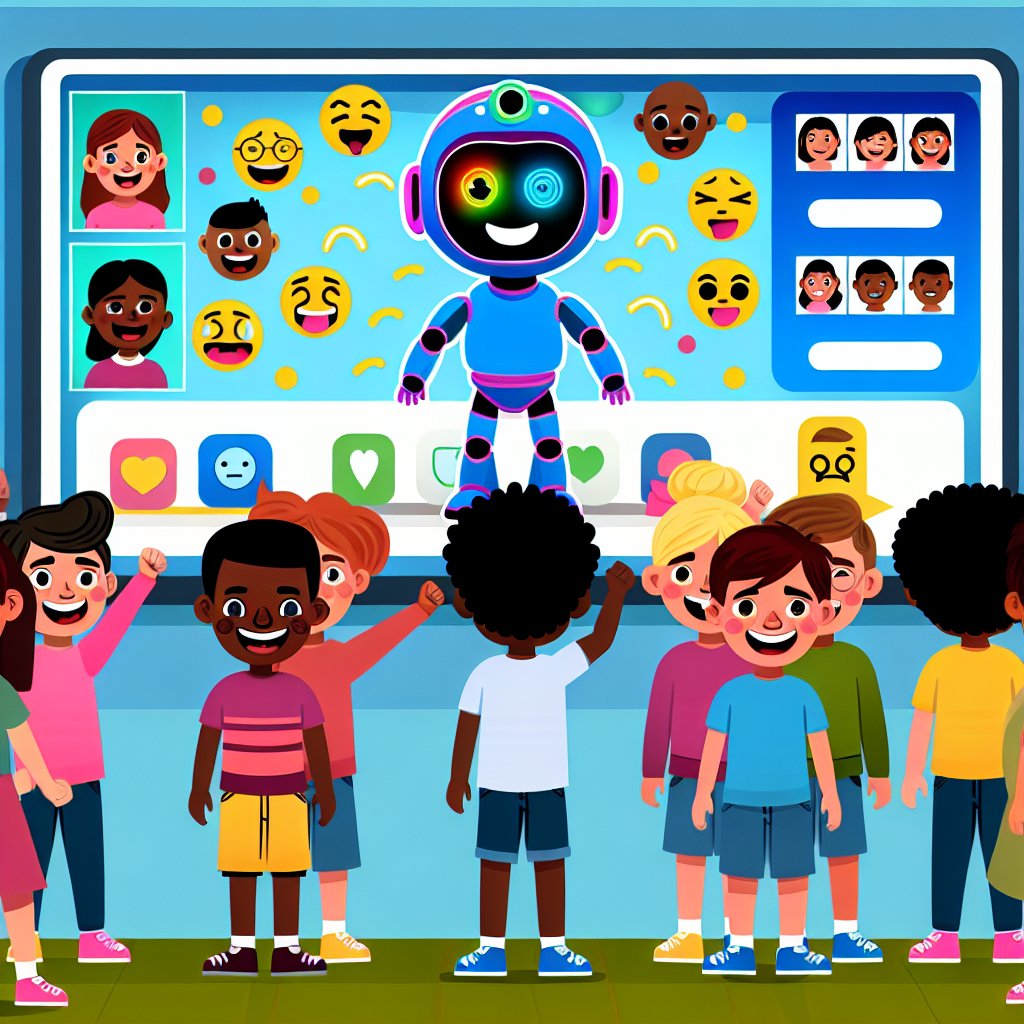
AI-Driven Emotional Intelligence Training for Children
In an increasingly digital world, emotional intelligence (EQ) stands out as a critical skillset for children. As parents of means, ensuring that our children are equipped with the skills to navigate social complexities and self-awareness is paramount. Emotional intelligence involves the ability to recognize, understand, and manage emotions—both our own and those of others. A strong EQ can enhance communication skills, improve relationships, and lead to greater academic and personal success. But how do we cultivate this essential skill in our children from a young age? Enter AI-driven platforms designed specifically for enhancing emotional intelligence.
Artificial intelligence is revolutionizing education by offering personalized learning experiences that adapt to each child’s unique needs. When it comes to emotional intelligence, AI is showing immense potential. Sophisticated algorithms can analyze a child’s interactions and provide tailored feedback, helping them learn to identify emotions and respond appropriately. These platforms can simulate diverse social scenarios, giving children a safe space to practice empathy, conflict resolution, and emotional regulation. Importantly, AI-driven tools do not replace human interaction; rather, they complement traditional learning methods, providing an enhanced, personalized approach.
The integration of AI in strengthening EQ can also help parents by providing insights into their child’s emotional development. Using AI tools, parents can receive feedback on their child’s progress, enabling them to support their growth at home. This approach transforms parenting strategies, allowing for targeted interventions and reinforcing positive emotional habits.
These AI-driven approaches are not science fiction; they are available now, continuously evolving and improving. Platforms such as AI-enabled educational games and interactive emotional analysis tools are already being employed in schools and homes worldwide. They combine the latest in psychological research with cutting-edge technology to foster emotional intelligence in engaging and intuitive ways.
Features
Several studies underline the importance and growing application of AI in emotional development. A paper published by the American Psychological Association has shown that AI applications can effectively analyze and interpret emotional cues, providing real-time feedback to users. Such technology enables children to recognize and refine their own emotional expressions, fostering self-awareness and empathy. [Learn more about this research](https://www.apa.org).
Furthermore, research conducted by the Child Development Center suggests that AI tools can be effective in enhancing emotional learning in children. The study found that children who engaged with AI-driven emotional learning platforms demonstrated significant improvement in aspects of emotional intelligence over a six-month period compared to those who did not use such tools. [Explore the study](https://www.childdevelopmentinfo.com).
Another study published in the Journal of Educational Psychology highlights the success of AI empathy training programs in young learners. The program uses machine learning to recognize and reward empathetic behavior, reinforcing positive social interactions. It concluded that children participating in AI-supported empathy training showed an increase in positive peer interactions and a reduction in conflict incidents. [Read more about the study](https://www.apa.org/pubs/journals/edp).
These findings suggest that AI-driven emotional intelligence training can be a powerful supplement to traditional educational methods. It’s not about replacing the human element in learning but rather enhancing it. By offering personalized, scalable solutions, these AI tools can help children develop crucial emotional skills that will serve them throughout their lives.
Conclusion
In our digital age, AI-driven emotional intelligence training presents a cutting-edge opportunity to foster self-awareness, empathy, and social skills in children. By integrating this technology with traditional learning methods, parents can ensure that their children are emotionally equipped to navigate the complexities of the future. As AI continues to evolve, it holds promise for enriching our children’s emotional education, building a well-rounded foundation that extends beyond academic success. Parents seeking to invest in the holistic development of their child might find profound value in exploring these innovative tools and methodologies.

Dominic E. is a passionate filmmaker navigating the exciting intersection of art and science. By day, he delves into the complexities of the human body as a full-time medical writer, meticulously translating intricate medical concepts into accessible and engaging narratives. By night, he explores the boundless realm of cinematic storytelling, crafting narratives that evoke emotion and challenge perspectives. Film Student and Full-time Medical Writer for ContentVendor.com