“`html
How AI and STEM Programs are Creating the Billionaires of Tomorrow
In today’s rapidly evolving technological landscape, Artificial Intelligence (AI) and STEM (Science, Technology, Engineering, and Mathematics) programs are at the forefront of empowering the next generation of innovators. As we delve deeper into the 21st century, it’s becoming increasingly evident that the leaders of tomorrow will likely emerge from these fields. According to a study by the World Economic Forum, 65% of children entering primary school today will ultimately end up working in jobs that do not yet exist, many of which will be rooted in STEM and AI technologies.
The AI revolution represents a paradigm shift much like the Industrial Revolution of the 18th century. AI is not just a trend—it’s reshaping industries, from healthcare to finance to transportation. It’s creating a wave of opportunities for young minds to innovate and address some of the world’s biggest challenges. Bright, young minds equipped with STEM knowledge are becoming entrepreneurs, leading startups and leveraging AI to create solutions that are not only lucrative but also transformative.
STEM education has broadened its reach, providing resources and programs that cater to various learning levels and interests. This is part of a concerted effort to make essential skills accessible to a wider audience, including those from underrepresented groups. Initiatives to promote diversity in STEM help ensure that innovation benefits from a rich tapestry of perspectives and experiences. Educational platforms and non-profit organizations are continually working to provide scholarships, free courses, and mentorship opportunities to sustain interest and participation in STEM among diverse student populations.
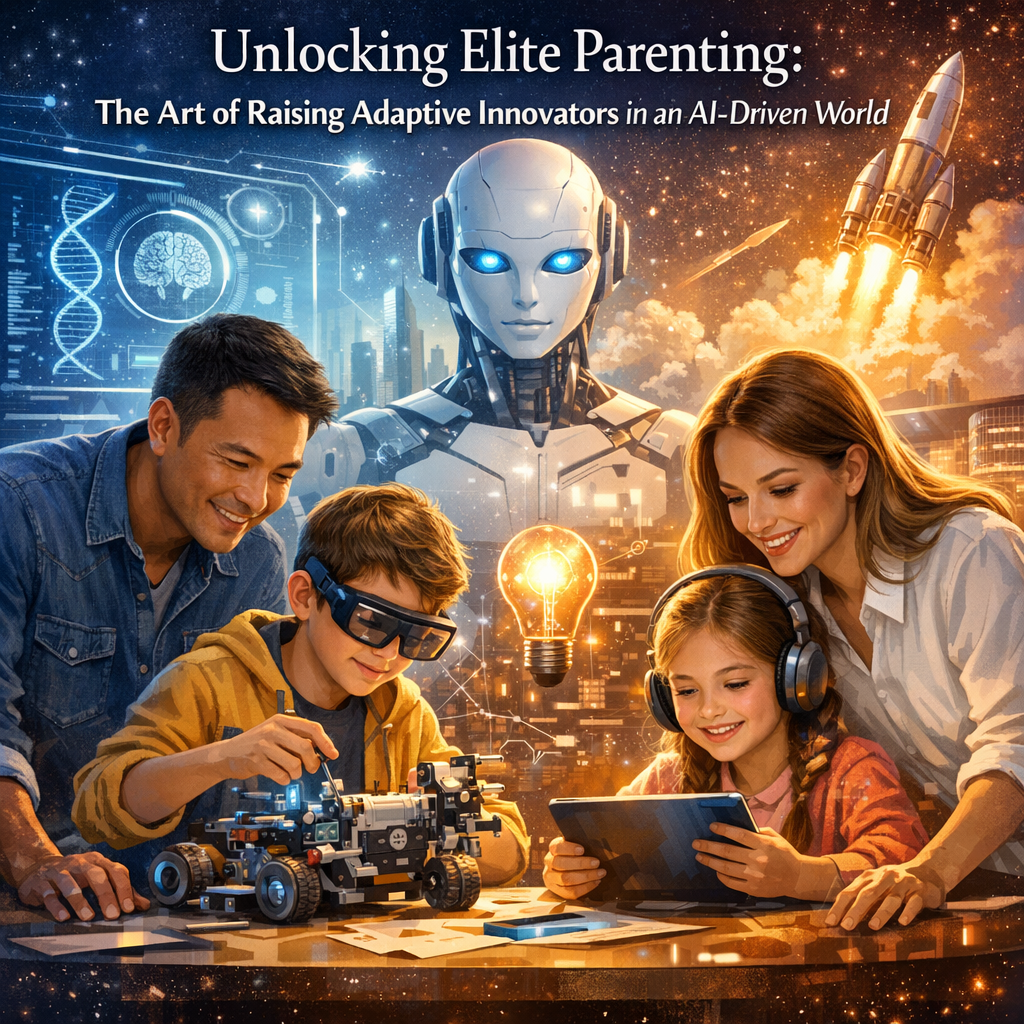
Parents with means have a unique opportunity to foster this next wave of innovation by investing in their children’s education and exposure to AI and STEM. Specialty programs and resources are becoming more accessible, and exposing kids to these fields early can instill a lifelong passion for learning and exploration. From robotics clubs to summer coding camps, the options available today are vast and varied.
The luxury of a supportive environment — where a child’s curiosity can flourish without the hindrance of financial constraint — is invaluable. Many elite schools and extracurricular programs leverage AI to customize learning experiences, ensuring that each child’s unique talents are nurtured. The idea is not just to impart knowledge, but to develop critical thinking, problem-solving skills, and an entrepreneurial mindset.
Research suggests that children who engage with STEM subjects develop a robust understanding of the world around them, honing skills that are crucial in today’s economy. A report from the National Science Foundation highlights that students involved in STEM activities are more likely to pursue further education and potentially embark on lucrative careers in tech and science fields. By fostering these interests, parents can ensure their children are well-prepared to lead in an AI-driven world.
Features: Professional and Medical Studies on the Impact of AI and STEM Programs
STEM and AI programs are not mere educational buzzwords; they are supported by a growing body of research underscoring their potential impact on future success. A study from the Georgetown University Center on Education and the Workforce underscores that jobs in the STEM fields are projected to grow faster than those in non-STEM fields. Highly skilled positions in AI and machine learning are seeing a rapid increase in demand, with salaries reflecting the specialized skills required.
Furthermore, a review by the National Institutes of Health highlights the cognitive benefits associated with early engagement in STEM education. Children who participate in STEM programs often demonstrate enhanced logical reasoning, spatial awareness, and creative problem-solving skills. These cognitive abilities are further amplified when children participate in hands-on, project-based learning environments typical of many STEM programs. Such environments encourage iterative learning, where failure is seen as a stepping stone to success—a critical mindset for future entrepreneurs.
Additionally, AI-centric programs are providing students with rare opportunities to work with complex algorithms and data-driven insights. This exposure not only prepares them technically but enhances their adaptability and resilience in facing complex challenges. As noted by the Journal of Educational Psychology, students tackling rigorous coursework in AI show marked improvements in their analytical skills, a benefit that translates to various aspects of life beyond academics.
Moreover, it’s not just about coding or robotics; AI and STEM promote a broader understanding of ethical considerations in technology. For instance, many programs emphasize AI ethics and the societal impact of technology, urging students to think about the broader implications of their work. This kind of holistic education is crucial in nurturing future leaders who are not only technologically proficient but also socially and ethically aware.
Conclusion
As we gaze into the future, the potential of AI and STEM education to create tomorrow’s billionaires is becoming increasingly clear. By investing in these areas, parents can provide their children with the tools not only to succeed but to lead transformative changes across industries. The intersection of technology, ethics, and innovation crafted through these programs is setting the stage for an exciting and prosperous future. Preparing children now ensures they are equipped to thrive in and significantly contribute to an ever-evolving world.
“`

Dominic E. is a passionate filmmaker navigating the exciting intersection of art and science. By day, he delves into the complexities of the human body as a full-time medical writer, meticulously translating intricate medical concepts into accessible and engaging narratives. By night, he explores the boundless realm of cinematic storytelling, crafting narratives that evoke emotion and challenge perspectives. Film Student and Full-time Medical Writer for ContentVendor.com