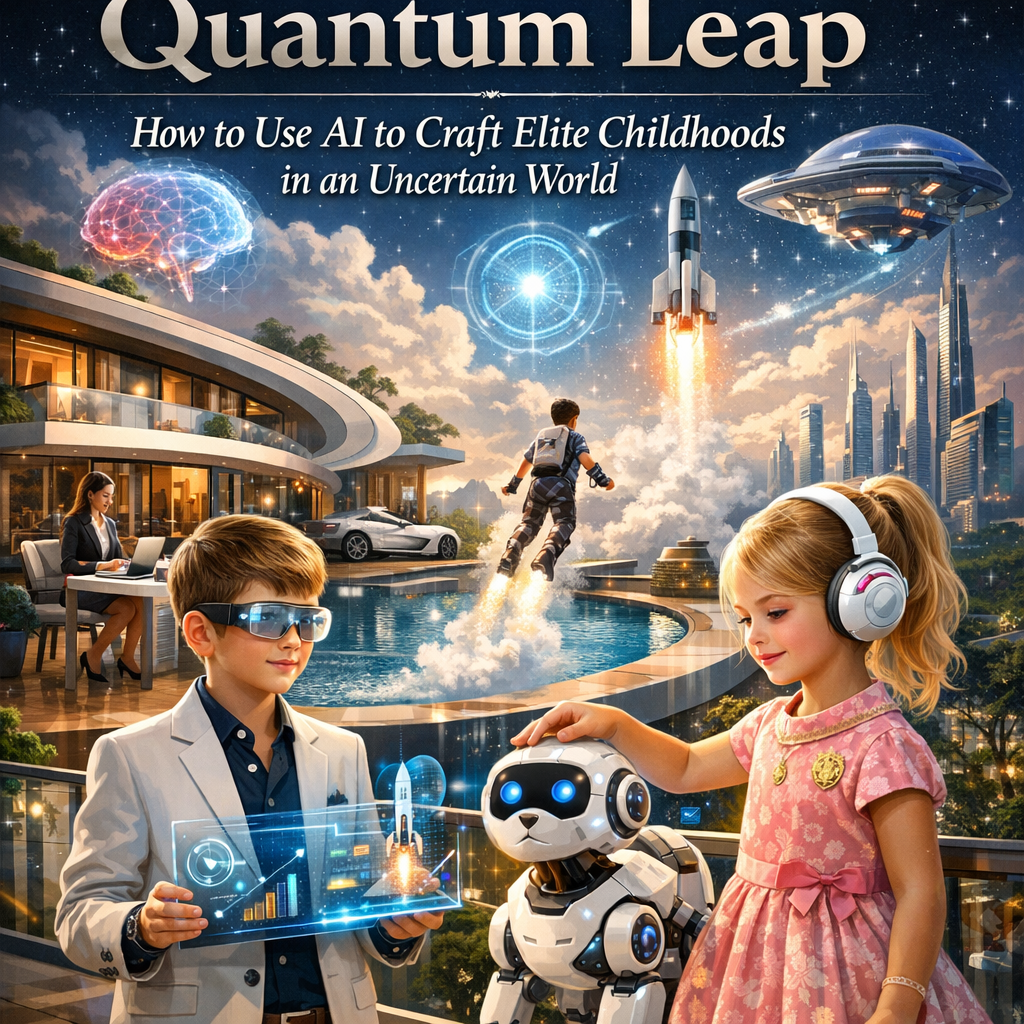
KidLuxury’s Quantum Leap: How to Use AI to Craft Elite Childhoods in an Uncertain World
Introduction
In a world where technological advancements seep into every facet of life, from smart homes to the boom of artificial intelligence (AI), affluent parents are constantly on the lookout for innovative ways to enrich their children’s upbringing. Enter AI—an ally in not only safeguarding but designing luxury childhood experiences that are tailored, exclusive, and future-ready. At KidLuxury, we delve into the integration of AI to redefine what elite childhoods can be, equipping your child with groundbreaking experiences that merge the classic elegance of luxury with the dynamic foresight of technology.
For decades, the measure of a “luxury childhood” was defined by exclusive educational opportunities, access to elite extracurriculars, and trips that crisscrossed the globe. But today, luxury isn’t solely about material abundance; it’s about crafting an enriched environment that fosters creativity, intellect, and emotional intelligence—capabilities necessary to navigate an unpredictable future. AI serves as a potent tool in this transformation, providing personalized learning pathways, curating unique cultural experiences, and even forecasting developmental milestones.
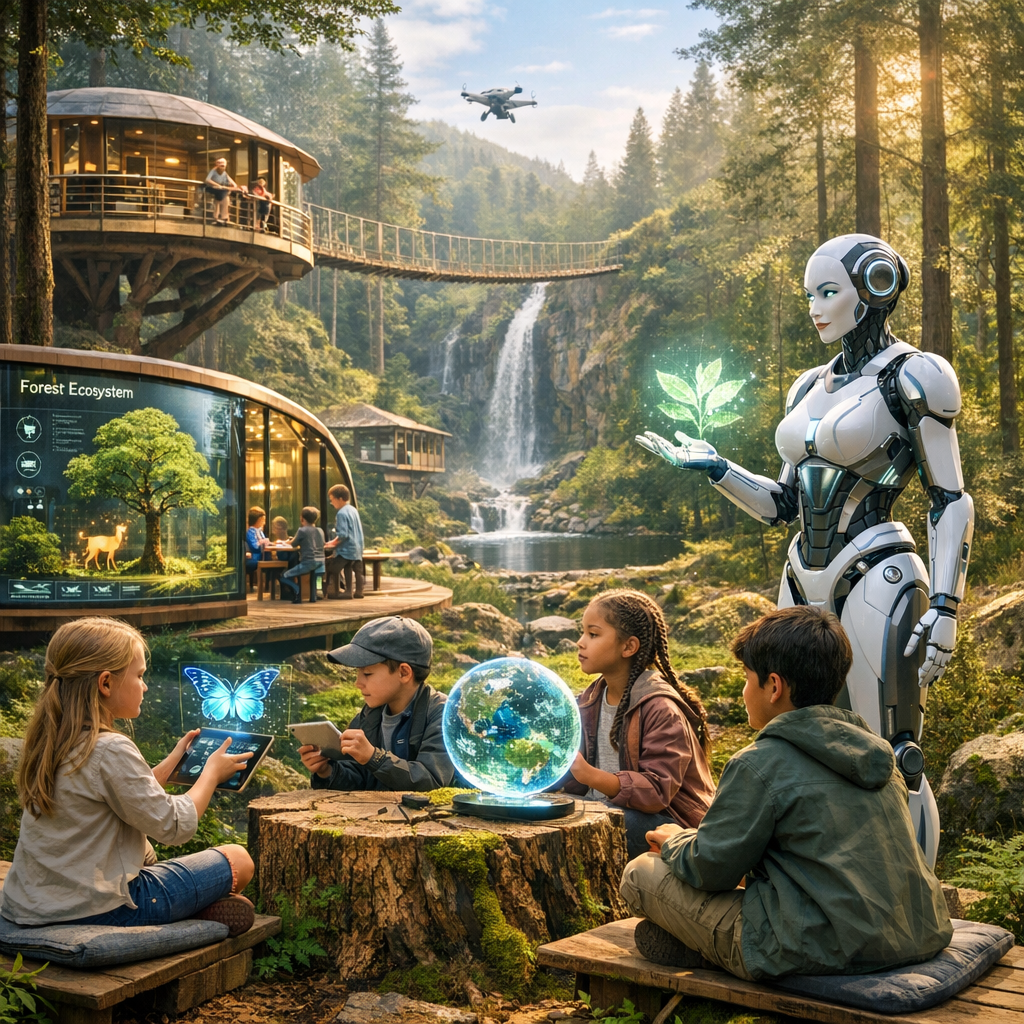
Parents of means find themselves uniquely positioned to leverage these tools, affording their children a quantum leap that marries tradition with innovation. From AI-driven tutors that adapt to each child’s learning style to intuitive playroom devices that merge fun with STEM education, AI’s potential to enhance the traditional facets of luxury childhood is profound. These elements work together to form a cohesive ecosystem where learning, play, and growth are intricately personalized.
Beyond mere academic and leisure opportunities, AI applications include mental and physical wellness. Elite health tracking systems fitted with AI provide insights into a child’s well-being that allow for proactive measures, ensuring your child’s development remains on an optimal path. The blend of these AI-driven capabilities promises a rich tapestry that gives children not just a head start, but a means to thrive in a rapidly changing world.
Features
The application of AI in childhood education and development has been the subject of increasing study, underscoring its effectiveness in personalized learning and skill acquisition. A study by [Stanford University](https://ed.stanford.edu) highlights the benefits of AI in individualizing education, where AI systems develop personalized learning tracks by analyzing children’s strengths and weaknesses in real time. This smart adaptation leads to more engaging and effective learning experiences, a vital component in providing a competitive edge to children in elite circles.
Additionally, AI is revolutionizing how children interact with their learning environments. An [MIT Media Lab](https://www.media.mit.edu) study found that AI-assisted learning environments can significantly enhance creativity and problem-solving skills. Through adaptive learning tools, children are placed in a ‘sandbox’ environment that dynamically evolves, presenting challenges and content tailored to their developmental pace. This engagement gives children in luxury settings the ability to explore their interests deeply and creatively.
Furthermore, the medical insights provided by AI are transforming both preventive and ongoing child healthcare. Systems like those developed by [IBM’s Watson](https://www.ibm.com/watson-health) are furnishing parents and pediatricians with unprecedented insights into children’s health patterns, offering predictive analytics that help foresee potential health issues before they manifest. Such advancements allow affluent parents to ensure comprehensive care, safeguarding both physical and mental wellness in an ever-changing health landscape.
AI also intersects with emotional development; tools like emotionally intelligent AI companions assist in recognizing, responding to, and even nurturing children’s emotional and social skills. Studies indicate that children interacting regularly with AI companions demonstrate improved empathy and communication skills, essential traits for future leaders and innovators, as reported in the [Journal of Pediatric Psychology](https://academic.oup.com/jpepsy).
Conclusion
Embracing AI does not mean forsaking the personal touch that has traditionally characterized elite childhoods. Instead, AI offers a bridge to future-proof these experiences, enriching them in ways that expand beyond the potential of conventional approaches. As parents integrate AI into their children’s lives, they craft not only a childhood steeped in luxury but one that is resilient, adaptive, and in harmony with the world of tomorrow. By strategically incorporating AI, the door to a new dimension in child rearing is open—a realm where possibilities are tailored, horizons expanded, and potential thoroughly realized.
References
1. [Stanford University Study on AI in Education](https://ed.stanford.edu)
2. [MIT Media Lab Study on AI and Creativity](https://www.media.mit.edu)
3. [IBM Watson Health and Predictive Analytics](https://www.ibm.com/watson-health)
4. [Journal of Pediatric Psychology on AI and Emotional Development](https://academic.oup.com/jpepsy)

Dominic E. is a passionate filmmaker navigating the exciting intersection of art and science. By day, he delves into the complexities of the human body as a full-time medical writer, meticulously translating intricate medical concepts into accessible and engaging narratives. By night, he explores the boundless realm of cinematic storytelling, crafting narratives that evoke emotion and challenge perspectives. Film Student and Full-time Medical Writer for ContentVendor.com