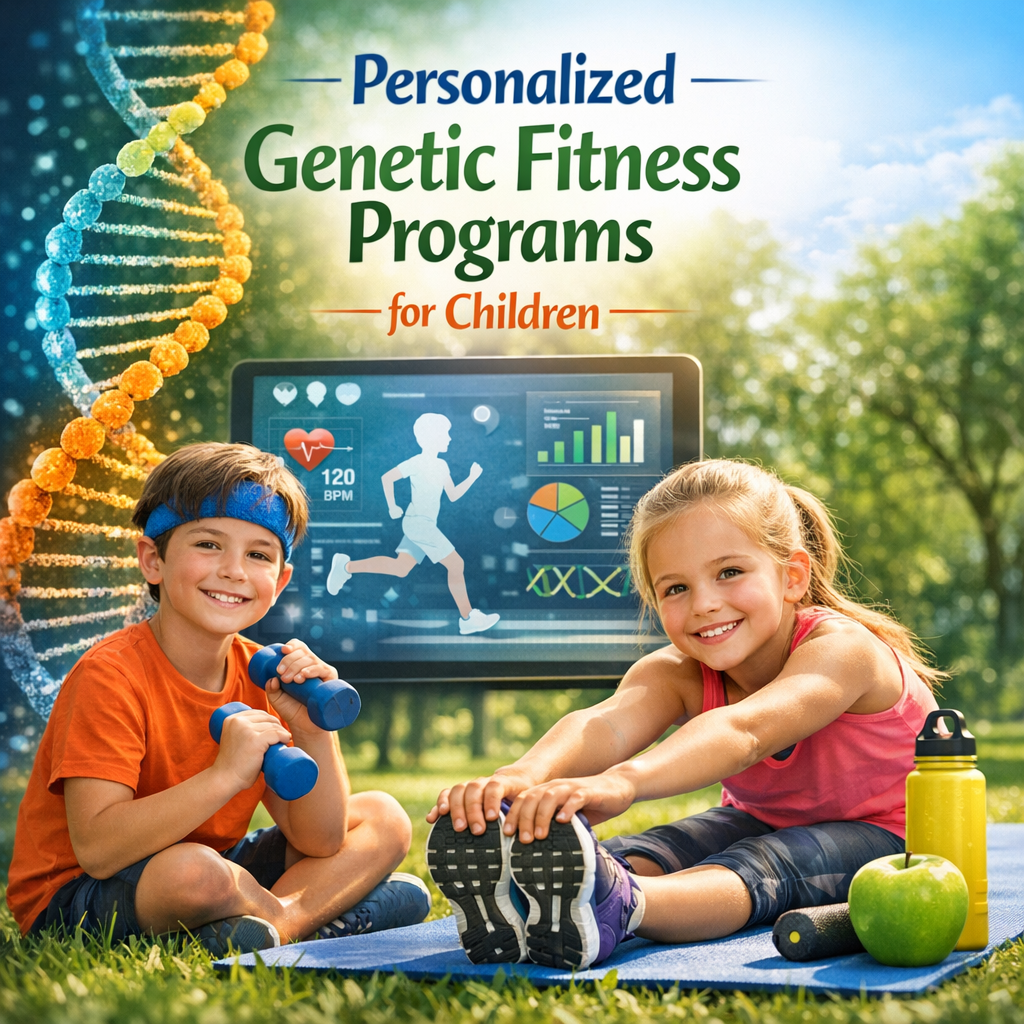
Personalized Genetic Fitness Programs for Children
Introduction:
In an era where technology intersects with nearly every aspect of our lives, even the most personal components, like our health and fitness, are not left untouched. Enter personalized genetic fitness programs—a groundbreaking way to customize activity plans for children based on their unique genetic makeup. This cutting-edge approach caters to families with the means to explore advanced options for enhancing their children’s physical well-being and long-term health prospects.
As parents, we constantly search for efficient and innovative ways to ensure the well-being of our children. The idea that genetics can play a role in physical fitness is not new, but the application of this knowledge to create tailored fitness programs for young ones is revolutionary. These programs delve deep into the individual’s genetic coding, identifying specific markers that can influence physical capabilities, such as endurance, metabolism, muscle strength, and susceptibility to injuries.
Personalized genetic fitness programs offer a suite of benefits. They enable parents to provide fitness routines that align not just with their child’s behavioral preferences but also with their biological inclinations. By recognizing how genes affect physical performance, these programs can minimize the risk of injuries and help maximize each child’s potential. Moreover, they offer a chance to instill lifelong habits of personalized health vigilance from an early age—a critical step as lifestyle-related ailments continue to rise.
While this approach may not be without controversy, mainly due to concerns surrounding genetic privacy and the accessibility of such sophisticated technologies, for parents capable of accessing these resources, the potential benefits are persuasive. These bespoke fitness programs could be pivotal in shaping healthier, happier generations, equipped to tackle their physical challenges with tailored precision.
Features:
The burgeoning field of genetically tailored wellness programs owes much of its development to advancements in genomic science and biotechnology. Research indicates that specific genetic markers can significantly influence how children respond to different types of physical activity, making it a promising area for personalized fitness regimens.
A study published in the Journal of Applied Physiology highlights how genes like ACTN3 and ACE can affect muscle performance and cardiovascular endurance, respectively. Another research from the European Journal of Applied Physiology notes that variations in the FTO gene can correlate with differences in weight management and exercise efficiency among adolescents. These findings underscore the importance of genetic predispositions in determining the best possible fitness outcomes for children.
Moreover, the Human Genome Project has significantly contributed to our understanding of genetic influences on health and physical traits, allowing for the practical application of this knowledge in fitness programs for kids. As bioinformatics continues to advance, these insights become increasingly accessible and implementable in real-world settings. Companies specializing in genetic testing offer insights into a child’s athletic potential, providing information on traits such as muscle composition, endurance levels, and recovery rates.
Critics, however, caution against the commodification of genetic information and the risks of genetic determinism—the notion that genes alone dictate our potential. They urge a balanced approach that considers environmental influencers like diet, lifestyle, and psychosocial elements alongside genetic data.
Nevertheless, for parents with the means to explore these options, the risk-reward balance tilts favorably toward investment in personalized genetic fitness programs. These initiatives promise not just the optimization of physical activities for children but also the inculcation of a nuanced understanding of personal health—a gift that can benefit them throughout their lifetime.
Conclusion:
Personalized genetic fitness programs represent the next frontier in tailored child development strategies, marrying the precision of genetic insights with the art of physical fitness. As we navigate the ethics and practicalities of this technology, its potential to revolutionize how we approach health and wellness for future generations remains promising. By investing in these personalized roadmaps, parents can provide their children with not only immediate health benefits but also an ingrained appreciation for personalized wellness practices.
References:
1. Journal of Applied Physiology – PubMed
2. European Journal of Applied Physiology – SpringerLink

Dominic E. is a passionate filmmaker navigating the exciting intersection of art and science. By day, he delves into the complexities of the human body as a full-time medical writer, meticulously translating intricate medical concepts into accessible and engaging narratives. By night, he explores the boundless realm of cinematic storytelling, crafting narratives that evoke emotion and challenge perspectives. Film Student and Full-time Medical Writer for ContentVendor.com