Private Aviation Training for Teens: The Next Status Skill
Introduction
In the realm of luxury family experiences, the horizons are ever-expanding, with families prioritizing unique, innovative ways to invest in their children’s futures. As these parents seek to equip their teenagers with skills and experiences beyond the ordinary, private aviation training has emerged as the latest status symbol. It offers unprecedented opportunities for personal and professional growth, positioning teens to stand out in a competitive world.
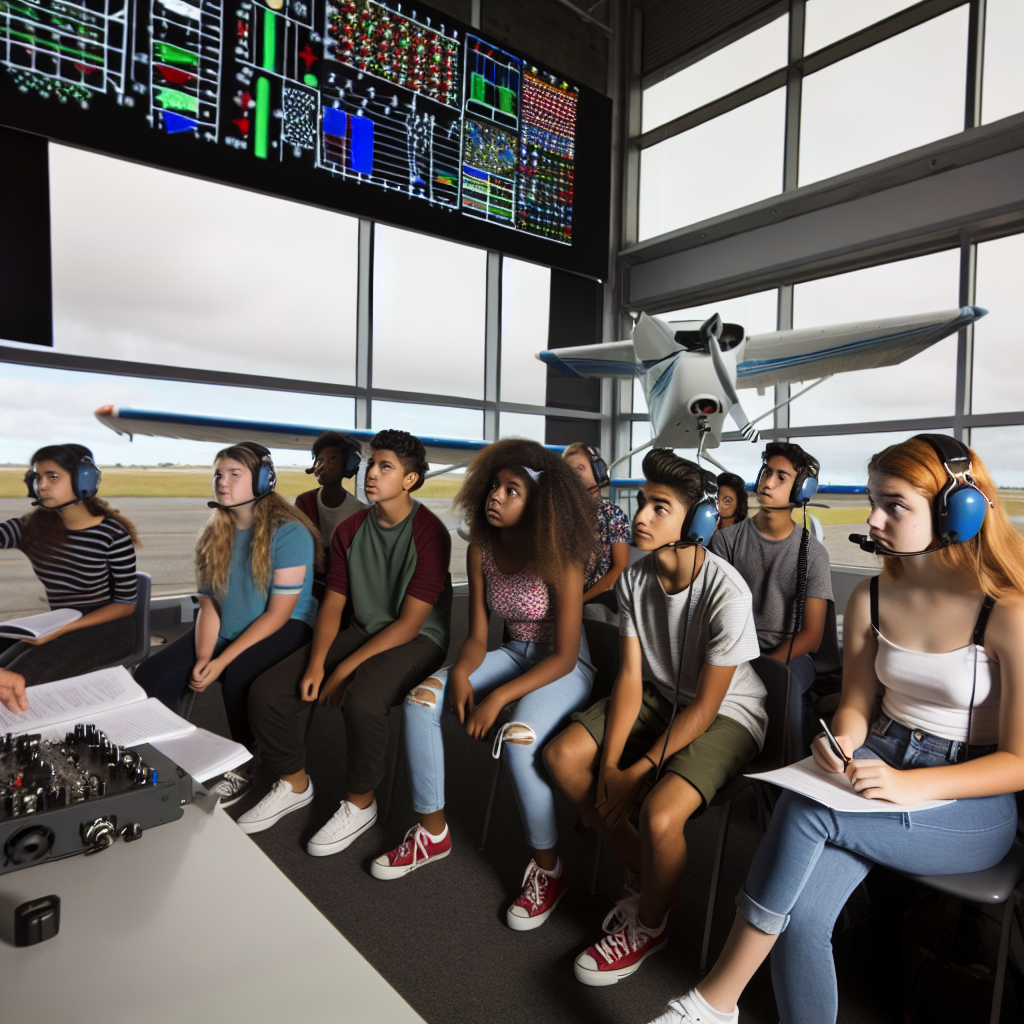
Private aviation training is prestigious on many counts. First, it combines technical knowledge with real-world applications, requiring focus, precision, and discipline. Mastering the art of flying an aircraft can inspire confidence and nurture a sense of responsibility in teens. Young pilots learn about aerodynamics, navigation, meteorology, and the mechanical intricacies of aviation, providing them with an educational experience that goes beyond classroom theory.
Moreover, private aviation prepares teenagers for the globalized world. It cultivates an understanding of international airspaces, diverse landscapes, and a variety of cultures encountered throughout global air travel. In an interconnected world where understanding and empathy are increasingly vital, this added exposure serves as an invaluable advantage. Equipped with such unique experiences, teens learn to see the world from a broader perspective.
For parents of means, investing in private aviation training also signifies a dedication to cultivating extraordinary skills. It demonstrates a commitment to pushing boundaries by offering children an unconventional, stimulating pursuit. The exclusive nature of this training makes it a notable point of distinction among peers, adding to its appeal as a prestigious status skill.
Through private aviation training, teenagers are not only prepared to confidently command an aircraft; they gain a critical skill set indicative of leadership and independence. As the aviation sector continues to grow, understanding this world could open doors to diverse career paths in aerospace, engineering, and international business.
Features
Several professional and medical studies provide insight into the multifaceted benefits of private aviation training for teenagers. A key report by the European Aviation Safety Agency (EASA) underscores the cognitive benefits of aviation training, noting that the complex decision-making and spatial awareness required in flying enhance cognitive function and improve multitasking abilities. These are critical skills that serve teenagers well in academics and future career endeavors.
Furthermore, aviation training also teaches resilience and stress management. A study published in the Journal of Air Transport Management highlights that young pilots develop enhanced capacity to perform under pressure due to the real-time decision-making required during flight. The skills gained prove beneficial beyond aviation, contributing positively to a teenager’s overall ability to cope with stress in social and educational settings.
From a medical perspective, the regulated and structured environment of flight training has been shown to have profound impacts on mental health. Engaging in activities demanding high levels of concentration and split-second judgement can lead to improved mental clarity and focus. According to a study by the Federal Aviation Administration (FAA) on the psychological benefits of pilot training, consistent engagement in aviation tasks reduces symptoms of anxiety and increases mental resilience.
Moreover, learning to fly requires a deep understanding of weather patterns, mechanical systems, and international aviation law—topics that underpin the STEM (Science, Technology, Engineering, and Mathematics) curriculum. By integrating these fields into practical applications, private aviation training offers a hands-on approach to STEM education, igniting a passion for learning that can translate into academic success.
From career opportunities to personal development, private aviation training sets the stage for teenagers to excel in numerous life aspects while providing a sophisticated status skill that catches the eye in elite circles.
Conclusion
In an era where parental investments in children’s futures push the boundaries of conventional learning, private aviation training emerges as a standout option. This distinctive skill combines technical acumen with real-world application, cultivating well-rounded, resilient individuals poised to soar in whatever path they choose. As parents seek to gift their teens with unparalleled experiences and lifelong advantages, they may well find that the sky is not the limit, but just the beginning.

Dominic E. is a passionate filmmaker navigating the exciting intersection of art and science. By day, he delves into the complexities of the human body as a full-time medical writer, meticulously translating intricate medical concepts into accessible and engaging narratives. By night, he explores the boundless realm of cinematic storytelling, crafting narratives that evoke emotion and challenge perspectives. Film Student and Full-time Medical Writer for ContentVendor.com