Raising AI-Native Kids: Crafting Smart Homes as Dynamic Learning Ecosystems
Topic Introduction:
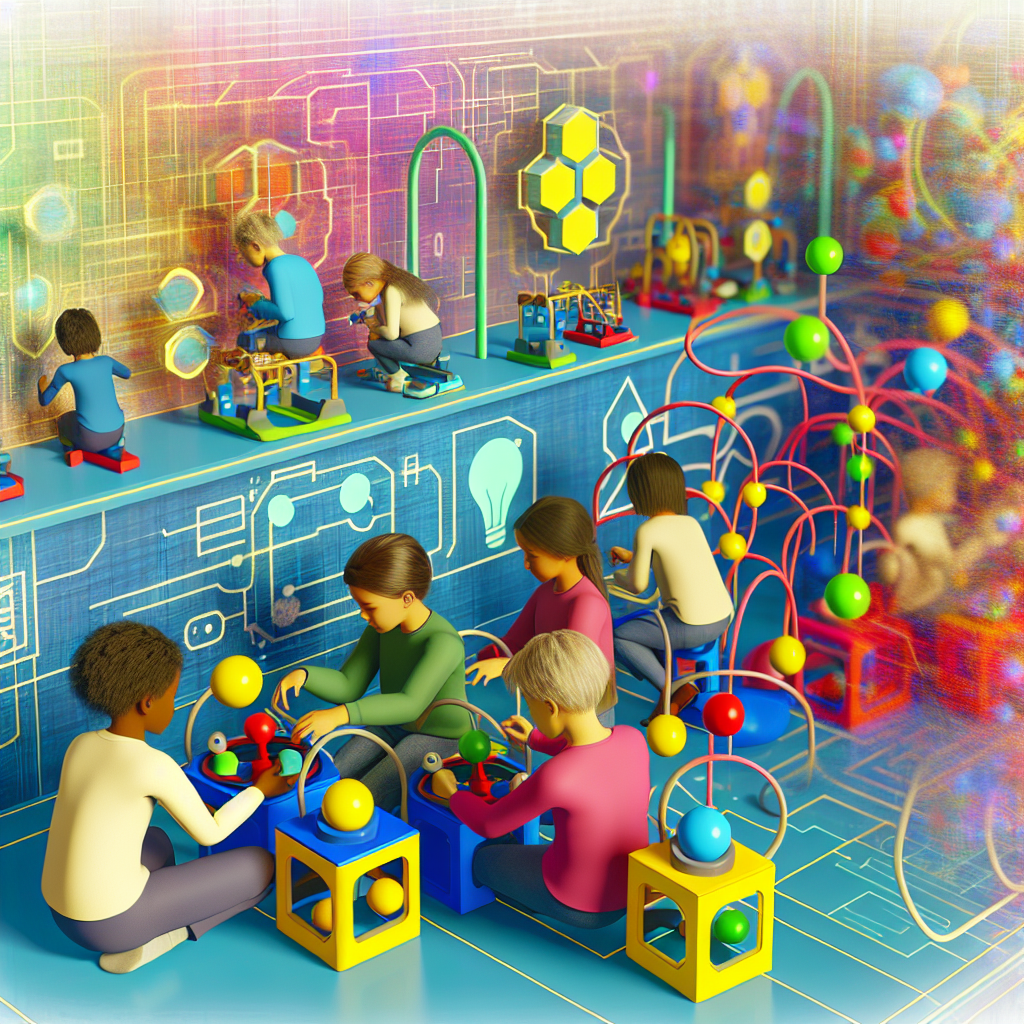
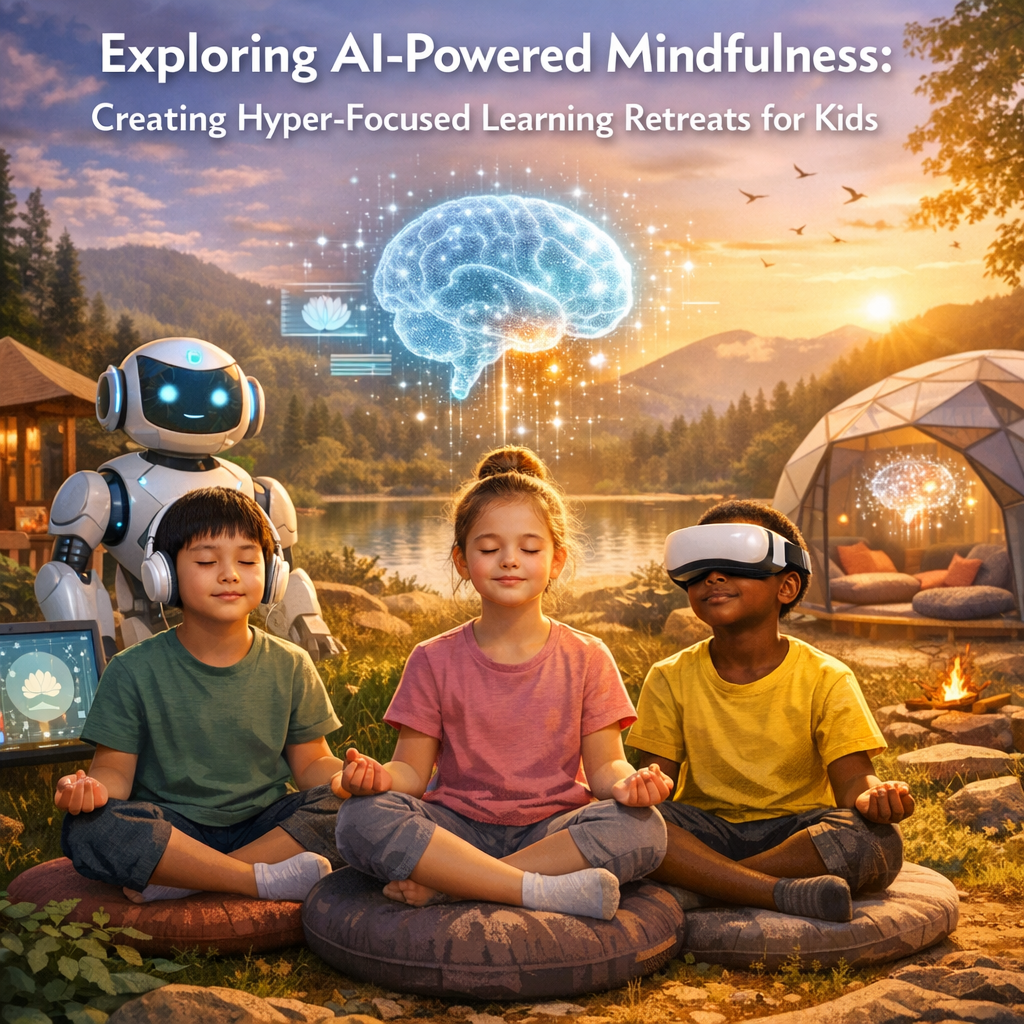
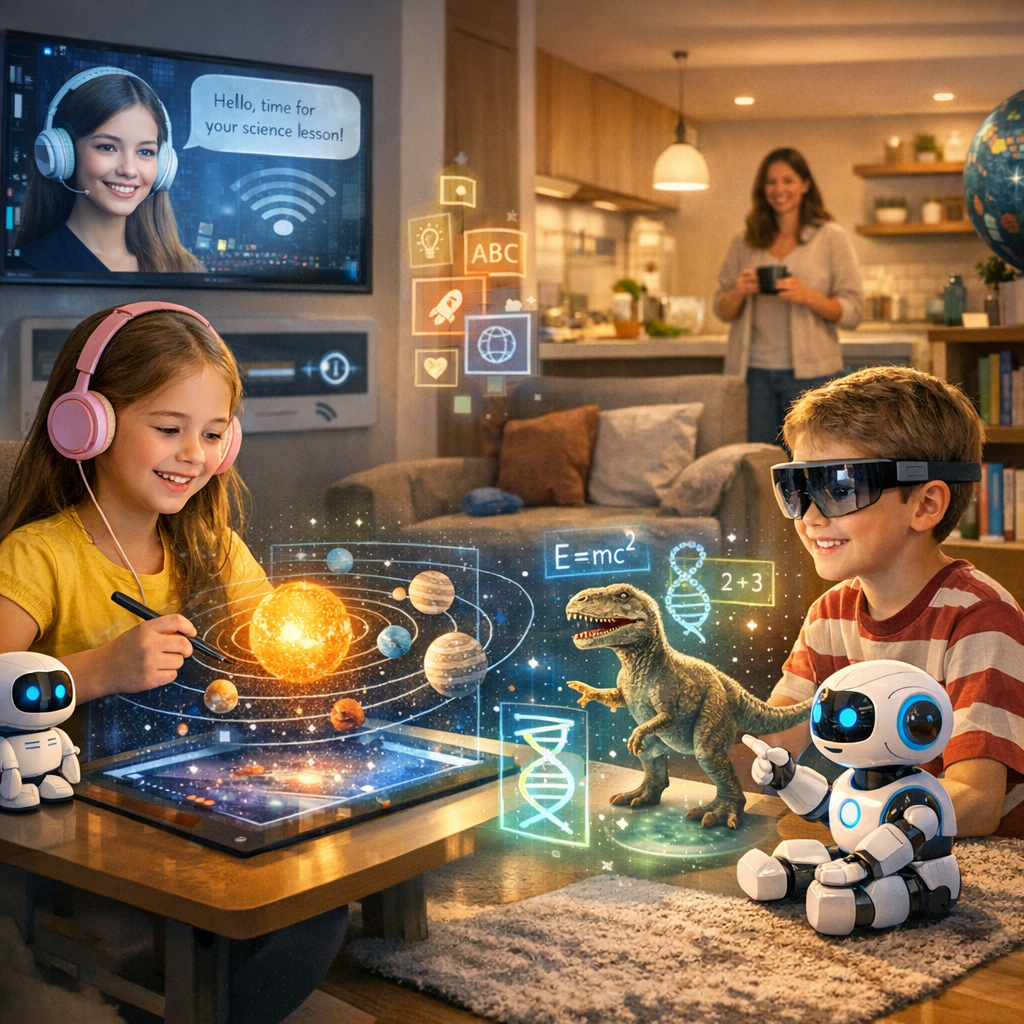
In an era characterized by rapid technological advances, today’s children are growing up as the first truly AI-native generation. As such, their upbringing requires more than just a blend of traditional educational methods and everyday parenting. Today’s parents are tasked with an exciting challenge: to transform their homes into dynamic learning ecosystems that integrate artificial intelligence and cutting-edge technology. This endeavor is not merely about keeping children entertained with new gadgets but is aimed at enhancing their learning experiences in profound and meaningful ways.
AI technologies are no longer the realm of science fiction; they have become as integral to the lifeblood of society as the internet itself. From AI-powered personal assistants to smart devices that anticipate and react to our needs, these advancements have reshaped the landscape of childhood learning. Notably, smart homes equipped with AI can help children develop critical cognitive skills while promoting a love for life-long learning.
The appeal of AI in smart homes lies not only in its ability to provide interactive and personalized learning experiences but also in its capacity to foster independence, enhance creativity, and improve problem-solving skills. With AI-driven platforms, parents can create environments that adapt to their children’s unique learning styles, allowing them to explore and discover at their own pace. Moreover, smart homes equipped with AI support a seamless blend of play and education, making learning an engaging daily pursuit rather than a scheduled activity.
As we look to craft environments that nurture young minds, it’s imperative that we understand the importance of striking a balance between technological integration and human interaction. The objective is not to replace human touch but to complement it with technology’s ability to facilitate a richer and multifaceted learning experience. In effect, smart homes should be seen as springboards that propel children into a world where they learn to harness the power of AI responsibly. Let’s delve into the professional and academic insights that underscore the effectiveness of these innovative approaches to parenting in a digital world.
Features:
Numerous studies underscore the transformative potential of AI-driven educational tools in fostering critical developmental skills in children. A study published in the [Journal of Educational Technology & Society](https://www.j-ets.net/ETS/journals/24_3/24_3.pdf) highlights how AI-powered personalized learning systems adapt to individual student needs, significantly enhancing both engagement and educational outcomes. These systems use data-driven insights to tailor educational content, thus catering to diverse learning speeds and preferences. As a result, children are more likely to excel in areas that once seemed challenging using a traditional educational framework.
Furthermore, research from the [Center for Research on Education Outcomes (CREDO)](https://credo.stanford.edu/) has shown that the use of AI tools in educational contexts can lead to improved cognitive abilities. Children who interact with AI-driven educational applications are found to develop stronger problem-solving skills and enhanced creativity. The adaptive nature of AI allows children to experiment freely, learning through trial and error without the fear of judgment, which is crucial for cognitive development and risk-taking.
Another pertinent study by the [Pew Research Center](https://www.pewresearch.org/) addresses the role of AI-powered environments in boosting emotional intelligence among children. AI technology can model and simulate real-life social situations, providing children with scenarios in which they practice empathy, cooperation, and communication skills. The interactive nature of these tools helps children to better understand and express emotions, thereby supporting their emotional and social growth.
A report by [McKinsey & Company](https://www.mckinsey.com/) notes that homes with integrated AI systems encourage autonomous learning, enabling parents to step back as facilitators rather than direct instructors. This shifts the paradigm from adult-driven instruction to child-driven inquiry, which not only fosters a sense of independence but also cultivates critical thinking skills that are necessary for academic and life success. By emphasizing the coalescence of play with intellectual growth, smart homes are redefining lifelong learning attitudes for AI-native youth.
Conclusion:
Raising AI-native children in smart homes designed as dynamic learning ecosystems offers incredible potential for fostering well-rounded, intellectually curious, and emotionally intelligent individuals. By integrating AI thoughtfully into home environments, parents can nurture children who are not only equipped to navigate the complexities of a technologically advanced world but who can also leverage these tools to propel their own learning journeys. The commitment to creating these enriched environments underscores the belief that technology, when aligned with educational goals, is a potent enabler of opportunity and innovation.

Dominic E. is a passionate filmmaker navigating the exciting intersection of art and science. By day, he delves into the complexities of the human body as a full-time medical writer, meticulously translating intricate medical concepts into accessible and engaging narratives. By night, he explores the boundless realm of cinematic storytelling, crafting narratives that evoke emotion and challenge perspectives. Film Student and Full-time Medical Writer for ContentVendor.com