Luxury Biohacking for Kids: Enhancing Cognitive Performance Early
In today’s fast-paced world, parents are increasingly seeking innovative ways to ensure their children have the best possible start in life. Amongst these emerging trends is the concept of biohacking, a movement largely popularized by adults looking to optimize their physical and mental performance. But what about biohacking for kids? Specifically, how can the affluent parent leverage this trend to enhance their child’s cognitive abilities from an early age? Luxury biohacking takes traditional methods to a new level, incorporating cutting-edge technologies, premium nutrition, and advanced wellness practices to boost cognitive performance before a child even steps into a classroom.
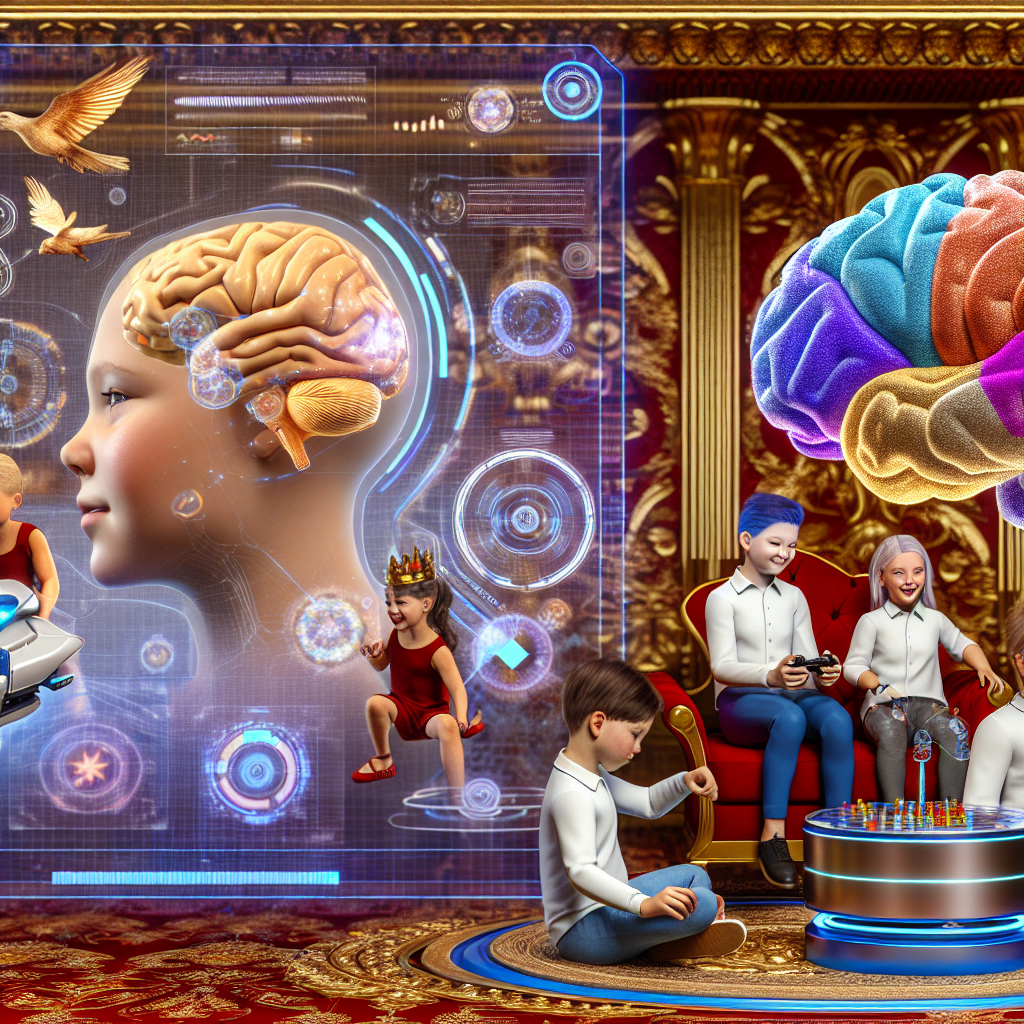
The foundation of luxury biohacking for kids rests on integrating bespoke, science-backed strategies into a child’s daily life. This may mean utilizing personalized nootropics, which are supplements that enhance brain function, or employing state-of-the-art neurotechnology that’s often reserved for elite athletes and high-level professionals. For instance, neurofeedback devices, which provide real-time data about brain activity, can help young minds hone their focus and control their mental state. Another approach involves the use of customized, organic dietary plans designed to provide essential nutrients that support brain development, without sacrificing taste or pleasure in consumption.
Moreover, there’s an increasing trend of designing tailor-made wellness regimens that include everything from specialized yoga routines to advanced meditation techniques, all aimed at improving stress management and promoting mental clarity in children. The luxury element also extends to immersive experiences such as retreats that combine cognitive training with relaxation and creativity, often held in serene, high-end locations.
However, this isn’t just about indulging children’s whims with exorbitant experiences. Parents who invest in biohacking options are keenly aware of the mounting evidence pointing to the formative impact of childhood experiences and environments on long-term cognitive health. By strategically enhancing mental acuity and emotional resilience from a young age, the aim is to not just improve a child’s academic performance but also equip them with skills for life.
Professional and Medical Insights
The field of cognitive enhancement is supported by a growing body of research highlighting the plasticity of the child’s brain and the benefits of early intervention. Studies indicate that neuroplasticity, the brain’s ability to reorganize itself by forming new neural connections, is exceptionally high during childhood. This suggests that there is a prime opportunity for modifying cognitive development trajectories, thereby achieving lifelong improvements in attention, memory, processing speed, and executive function.
One landmark study published in *Nature Neuroscience* demonstrates how targeted cognitive training can significantly enhance working memory in children. Such training programs, which often form a core component of luxury biohacking for kids, leverage digital tools and personalized tasks to progressively challenge the brain, promoting more robust neural connectivity. [Read more about the study in Nature Neuroscience](https://www.nature.com/articles/nn.2308).
Moreover, research in nutritional neuroscience highlights how specific nutrients can profoundly affect a child’s cognitive function. A study in *The American Journal of Clinical Nutrition* outlines the positive impact of omega-3 fatty acids and antioxidants on the brain’s structure and function, especially in developing children. Premium, tailored nutrition plans used in luxury biohacking typically include these nutrients in well-balanced, child-friendly forms. [Explore the study in The American Journal of Clinical Nutrition](https://academic.oup.com/ajcn/article/95/5/1359S/4578270).
Neuroscientific advancements have also ushered in the use of sophisticated neuroimaging technology, granting unprecedented insights into brain health and development. This has paved the way for the use of neurofeedback and brain mapping technologies in children, helping optimize their learning and emotional regulation processes. According to research published in *The Journal of Child Psychology and Psychiatry*, biofeedback and neurofeedback interventions in children have shown promising results in reducing ADHD symptoms and improving overall cognitive performance. [Learn more about the study in The Journal of Child Psychology and Psychiatry](https://acamh.onlinelibrary.wiley.com/doi/abs/10.1111/jcpp.12697).
By integrating these evidence-based practices into the biohacking process, parents can take informed steps towards enhancing their child’s cognitive abilities in a sustainable, enjoyable manner.
Conclusion
While it may seem unconventional, luxury biohacking for kids represents an intriguing frontier in parenting, combining the latest in science, nutrition, and technology to optimize cognitive performance. As this field continues to evolve, it offers affluent parents a unique blend of tailored approaches designed to nurture their child’s brain development and equip them with essential life skills. Embracing this innovative trend could potentially redefine educational paradigms, cherishing the mental potential of future generations.

Dominic E. is a passionate filmmaker navigating the exciting intersection of art and science. By day, he delves into the complexities of the human body as a full-time medical writer, meticulously translating intricate medical concepts into accessible and engaging narratives. By night, he explores the boundless realm of cinematic storytelling, crafting narratives that evoke emotion and challenge perspectives. Film Student and Full-time Medical Writer for ContentVendor.com