Inspired by Elon Musk: AI-Driven Parenting – What Modern Parents Need to Know
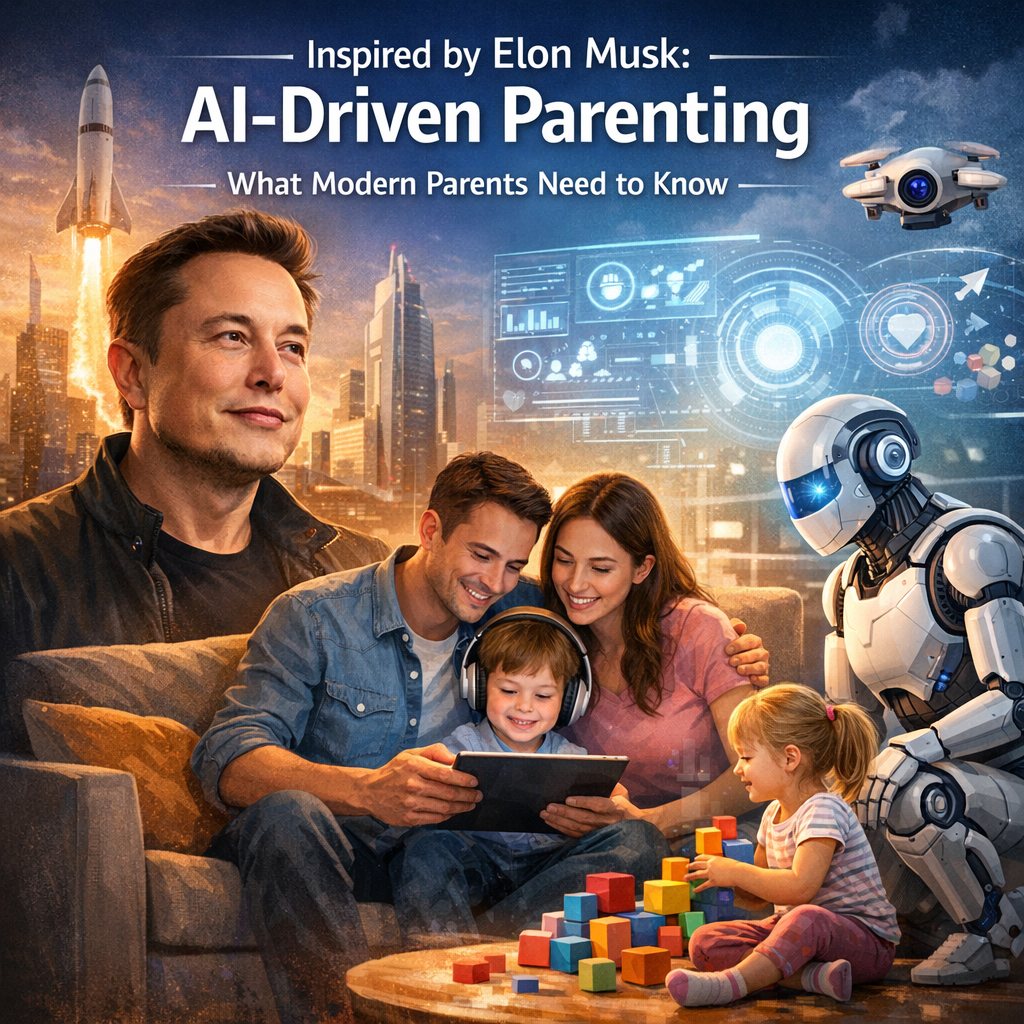
In the ever-evolving landscape of technology, AI-driven solutions have begun to infiltrate nearly every aspect of life, transforming how we work, communicate, and even parent. With tech visionaries like Elon Musk at the forefront of artificial intelligence innovation, parents who have the means are exploring the integration of AI into their child-rearing practices. This exploration is not simply about automation or convenience; it delves into the sophisticated realm of nurturing the next generation with the assistance of AI technology.
Elon Musk, a pioneer in AI with companies such as OpenAI and Tesla, often discusses the potential and risks associated with artificial intelligence. While his focus may diverge across electric vehicles and space exploration, the technology stemming from these ventures offers novel applications for parenting. For instance, AI-powered assistants could be utilized for personalizing educational experiences, monitoring health, and even managing social engagements, thereby equipping parents with invaluable tools to enrich their children’s lives.
Parents of means today are scrutinizing the possibilities of AI to maximize their children’s developmental milestones. Picture a home where an AI system predicts the optimal learning times for your child or crafts personalized educational strategies based on real-time data analysis of their cognitive progress. This approach aligns with Musk’s vision, which stresses the practical use of AI to benefit humanity while being mindful of its ethical implications.
Despite the allure of convenience, AI-driven parenting demands a nuanced understanding of technology, human development, and ethical considerations. The goal is not to replace parental roles but to enhance them with smart insights and efficiency. As modern parents begin to embrace this paradigm, they face the pressing need to distinguish between technologies that can supplement parental wisdom and those that might detract from authentic human interaction.
Features: Studies on AI and Child Development
The intersection of AI and parenting is an area rich with research opportunities. Studies have shown significant potential in using AI tools to support child development. Harvard University conducted research on machine learning applications in personalized education, highlighting that AI can adapt educational content to meet the unique needs of each child, thereby fostering better learning outcomes. [Read more from Harvard Gazette](https://news.harvard.edu/gazette/story/2020/01/research-explores-ai-in-education/).
Moreover, AI’s role in monitoring child health cannot be overstated. According to a study published in the Journal of Medical Internet Research, AI algorithms can effectively analyze vast amounts of health data, offering insights that can preemptively identify health concerns. This proactive approach can benefit children by ensuring timely interventions during growth phases, a boon for parents who can afford such technological solutions. [Read more on AI and health in the Journal of Medical Internet Research](https://www.jmir.org/2020/5/e2339/).
Nevertheless, the broader implications extend beyond academics and health. A significant study by Stanford University examined the social impacts of AI interactions, illustrating how children who engaged with AI companions showed improvements in emotional intelligence aspects such as empathy and communication. However, the research also cautioned that these benefits are contingent on parental oversight and the integration of human values in AI design. [For more on this study, visit Stanford News](https://news.stanford.edu/2021/02/11/ai-tools-improve-empathy-children/).
These studies underscore a dual responsibility for parents: to harness the pragmatic advantages of AI while diligently safeguarding their children’s developmental needs from the potential encroachment of technology. This balance is essential, particularly in a world where digital nannies could inadvertently substitute for genuine human interaction if unregulated.
Conclusion
As AI technology continues to mature, the concept of AI-driven parenting is poised for further evolution. For parents of means, the task is to embrace these innovations critically, deploying AI as an empowering tool that complements traditional parenting rather than replacing it. By remaining informed and discerning, parents can ensure a future where technological advancement aligns with their children’s well-being, in line with both practical benefits and moral considerations. As Elon Musk suggests, the future of parenting with AI is not a question of if, but how thoughtfully it is pursued.

Dominic E. is a passionate filmmaker navigating the exciting intersection of art and science. By day, he delves into the complexities of the human body as a full-time medical writer, meticulously translating intricate medical concepts into accessible and engaging narratives. By night, he explores the boundless realm of cinematic storytelling, crafting narratives that evoke emotion and challenge perspectives. Film Student and Full-time Medical Writer for ContentVendor.com