“`html
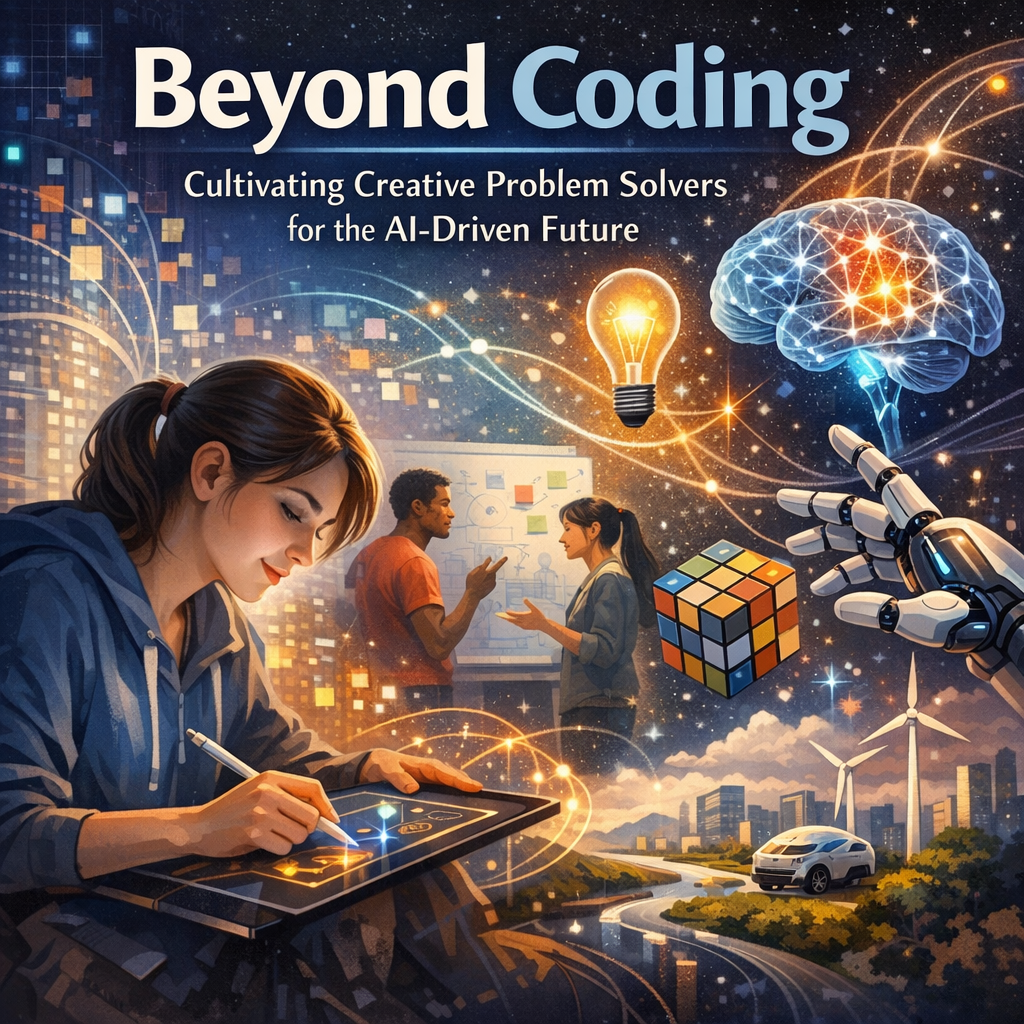
Beyond Coding: Cultivating Creative Problem Solvers for the AI-Driven Future
Introduction
As we stand on the brink of an AI-driven future, parenting the next generation requires a fresh perspective, especially for those who have the means to provide educational luxuries. In an era where technology intertwines with every facet of life, the skills that will define success go beyond the ability to code. While coding is undoubtedly an essential skill, it is only one piece of a larger puzzle. This puzzle consists of creative problem-solving, adaptability, and emotional intelligence—skills that are not only beneficial but necessary for navigating the complexities of artificial intelligence (AI) landscapes.
The digital era has redefined the definition of being “smart.” The ability to memorize information has given way to the capacity to apply knowledge in innovative ways. The leaders of tomorrow will be those who can solve unforeseen problems creatively and effectively. The AI revolution indeed favors those who can understand, interpret, and adapt to massive datasets that AI algorithms generate and manipulate daily. However, algorithms, no matter how sophisticated, lack the human touch—empathy, imagination, and the ability to perceive nuances beyond mere data points. This is where creativity and problem-solving come in.
The luxury of means allows us to provide our children with tools, environments, and educational experiences that foster these indispensable skills. Beyond sending them to the best schools, we have the opportunity to introduce them to curricula that emphasize experiential and interdisciplinary learning. From art classes that encourage abstract thinking to group sports that build teamwork dynamics and entrepreneurial programs that foster initiative and leadership, the pathways are numerous. The crux is to blend these elements harmoniously with technological knowledge to cultivate well-rounded individuals ready for the challenges of an AI-influenced world.
Features
Studies have shown that while traditional STEM (Science, Technology, Engineering, Mathematics) subjects remain critical, the integration of the arts—forming what’s known as STEAM—greatly enhances creative thinking. According to a study published by the National Endowment for the Arts, students exposed to art and cultural experiences displayed significant improvements in their critical thinking skills. Moreover, participation in the arts was linked to increases in broader cognitive abilities and emotions, providing a fuller, more comprehensive educational experience. The arts contribute to the kind of thinking AI cannot replicate: innovative problem-solving, emotional intelligence, and creative ideation.
Furthermore, research from Michigan State University emphasized that diverse experiences contribute to an individual’s ability to innovate. The study found that people with a wide range of experiences, including the arts, are three times more likely to create patents and start businesses. Another study from Adobe, “Creativity and Education: Why it Matters”, highlighted that students who are exposed to creative environments are more likely to possess a greater capacity for innovation and leadership.
Parenting strategies that focus on combining coding with creative exploration help children develop a more comprehensive skill set. For instance, project-based learning integrates technology use and creative development, providing children with the freedom to explore and find solutions collaboratively. This method fosters a practical hands-on experience that mimics real-life problem-solving, aligning perfectly with the future workplace demands.
The importance of emotional intelligence (EQ) alongside intellectual aptitude (IQ) cannot be understated. According to a report by the World Economic Forum, emotional intelligence ranks in the top ten of the most demanded skills for the future. This encompasses the ability to empathize, adapt, and navigate the social fabric of any workplace.
Programs designed to develop EQ such as mindfulness workshops and social-emotional learning curricula are gaining traction in educational settings. These programs nurture a child’s ability to self-reflect, manage emotions, and possess empathy—capabilities that are crucial in a world where technology often lacks these human-centric skills.
Conclusion
In nurturing children for the AI-driven future, our goal should be to cultivate creative problem-solvers, blending technology-savvy with creativity, analytical thinking with empathy. This is an exciting time to be a parent, as the opportunities to guide our children’s educational journey with the aid of our resources are vast and varied. By investing in a balanced blend of technology and the arts, we prepare them not merely to acclimate but to excel in an AI-rich landscape, ensuring their success and well-being in a rapidly evolving world.
“`

Dominic E. is a passionate filmmaker navigating the exciting intersection of art and science. By day, he delves into the complexities of the human body as a full-time medical writer, meticulously translating intricate medical concepts into accessible and engaging narratives. By night, he explores the boundless realm of cinematic storytelling, crafting narratives that evoke emotion and challenge perspectives. Film Student and Full-time Medical Writer for ContentVendor.com