Harnessing the Power of AI to Design Tomorrow’s Leaders: Strategies for Developing Elite Future-Ready Innovators in the AI Era
Topic Introduction:
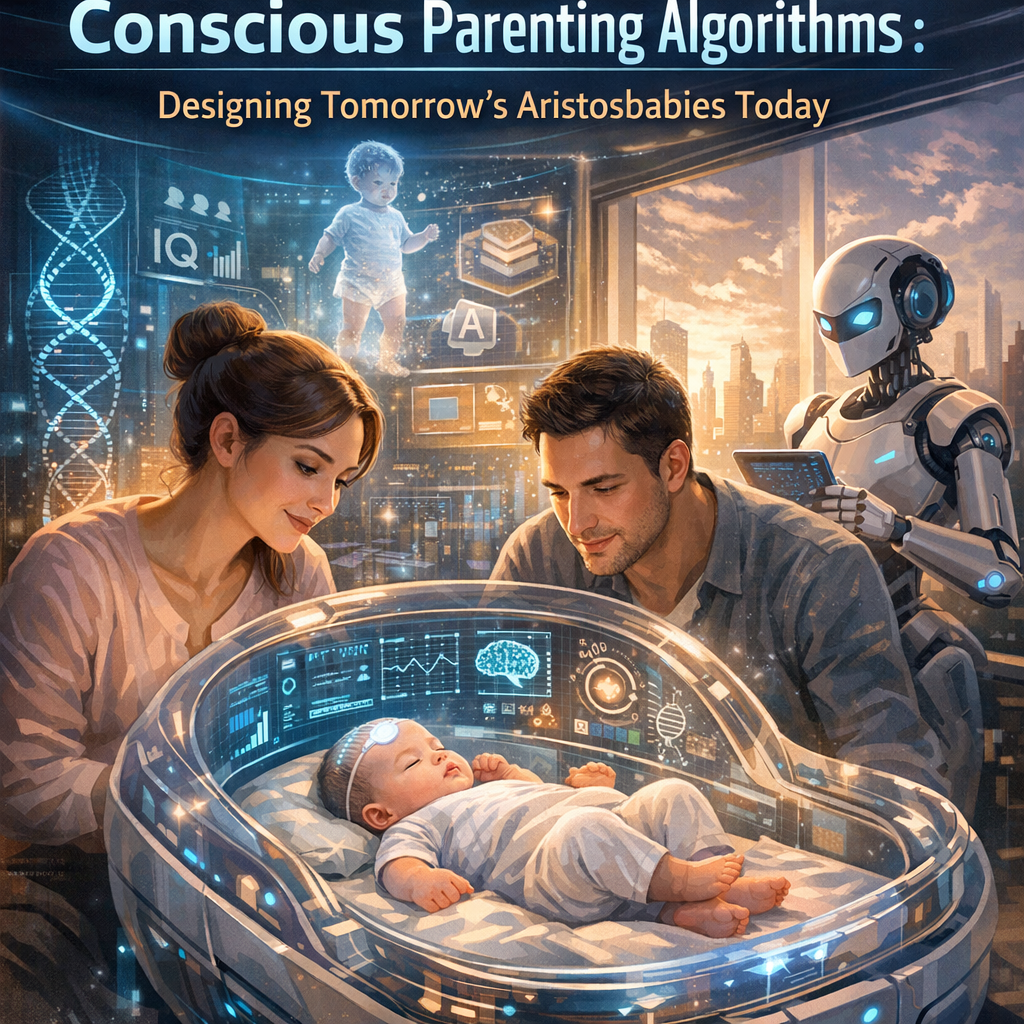
In today’s rapidly evolving technological landscape, the potential of artificial intelligence (AI) to shape industries and societies has never been more profound. As parents navigating the complexities of raising children in the 21st century, it becomes imperative to equip the next generation with the skills and mindset necessary to thrive in an AI-driven world. This task is amplified for families of means, who have access to a myriad of resources and opportunities to propel their children into future leadership roles.
The AI era demands innovators who not only understand technology but can creatively and ethically apply it to solve real-world problems. According to a report by the [World Economic Forum](https://www.weforum.org/reports/the-future-of-jobs-report-2020), skills such as creativity, emotional intelligence, and complex problem solving will be paramount in the years to come. Against this backdrop, there is a unique opportunity to harness AI in developing these competencies in children from an early age.
For parents focused on creating elite future-ready leaders, leveraging AI involves more than just exposure to technology; it requires strategic education, personalized learning experiences, and fostering an environment of continuous growth and ethical consideration. By combining traditional education frameworks with AI-based tools and platforms, parents can cultivate an educational environment that promotes adaptability, critical thinking, and innovation—key pillars for success in the coming decades.
AI stands as both a tool and a challenge. It assists parents and educators in personalizing learning pathways that cater to individual strengths and weaknesses, an approach that aligns with Howard Gardner’s theory of multiple intelligences. By embracing AI’s potential, families can provide customized learning experiences that are uniquely tailored to their child’s needs and potential, ensuring they not only meet but surpass the educational standards of the past.
Features:
AI’s integration into education and child development is a burgeoning field, with studies and applications becoming more prolific and impactful. A pivotal study conducted by [Stanford University](https://edpolicy.stanford.edu/news/articles/1235) highlights the benefits of AI in educational settings, particularly through adaptive learning technologies. These technologies adjust the difficulty of educational content based on the learner’s performance in real-time, fostering an environment where students can progress at their own pace, which has been shown to increase comprehension and retention rates.
Additionally, research from the [Massachusetts Institute of Technology (MIT)](https://www.media.mit.edu/projects/ai-literacy/overview/) supports the use of AI in developing critical and creative thinking skills. Through AI-driven simulations and problem-based learning modules, students are encouraged to engage in higher-order thinking tasks, preparing them for complex decision-making processes. Such educational strategies align closely with Bloom’s Taxonomy, which emphasizes the need for learners to analyze, evaluate, and create rather than merely remember information.
Moreover, medical studies suggest cognitive benefits associated with AI-assisted learning. A research article published in the journal [Nature Reviews Neuroscience](https://www.nature.com/articles/s41583-020-00431-7) discusses how AI can play a crucial role in neuroeducation, enhancing cognitive abilities through tailored programs that stimulate brain plasticity. These interventions, when implemented early, can lead to improved executive function skills such as planning, attention, and task flexibility, which are critical for future leaders.
Ethical considerations remain at the forefront of AI’s educational applications. The [University of Helsinki’s](https://www.helsinki.fi/en/researchgroups/ethical-ai) ethical AI project points to the importance of incorporating ethical AI practices in early education to ensure that children grow up understanding and practicing digital responsibility. Teaching children how to interact with AI responsibly will be as crucial as any technical skill they acquire. This balanced approach not only develops their intellect but also their character, preparing them to lead with integrity in an AI-influenced world.
Conclusion:
As AI continues to redefine the future, preparing children to become tomorrow’s leaders involves intentionally integrating AI into their learning environments. By taking advantage of AI’s transformative power in education and personal development, parents can foster elite innovators who are cognitively adept, ethically aware, and ready to lead in an AI-driven future. This investment in their future not only secures their place in a competitive global arena but also equips them to contribute meaningfully to a rapidly changing world.

Dominic E. is a passionate filmmaker navigating the exciting intersection of art and science. By day, he delves into the complexities of the human body as a full-time medical writer, meticulously translating intricate medical concepts into accessible and engaging narratives. By night, he explores the boundless realm of cinematic storytelling, crafting narratives that evoke emotion and challenge perspectives. Film Student and Full-time Medical Writer for ContentVendor.com