Next-Gen Sustainable Childhood: Merging Luxury with Eco-Conscious Parenting for the Future Innovators
In a world that is becoming increasingly aware of its environmental impact, the fusion of luxury with sustainability is a compelling proposition for modern parents. While the traditional luxury market focused on exclusivity, opulence, and material excess, today’s affluent families are seeking brands that reflect their values of environmental stewardship and ethical consumption. Focused on raising children who are not only beneficiaries of privilege but also advocates of sustainability, parents are redefining what it means to provide a luxurious upbringing.
At the heart of this shift is the desire to introduce children to a lifestyle that balances comfort and responsibility. This means investing in products and experiences designed to enrich a child’s life while minimizing their carbon footprint. From eco-friendly toys made out of sustainable materials to organic, ethically-produced clothing, the market for luxury goods is realigning itself with green principles. Companies like Stella McCartney Kids and Petit Pli are pioneering this movement by offering eco-friendly fashion that combines luxury with a conscience.
These changing perceptions are not just about aligning lifestyles with environmental values but also about preparing the next generation to become thoughtful leaders and innovators. Statistics from the Pew Research Center indicate that Millennials, many of whom are currently parents, are more concerned about climate change than previous generations. This demographic shift drives the demand for sustainable luxury and ensures it’s more than just a passing trend, fundamentally weaving eco-consciousness into the fabric of childhood development.
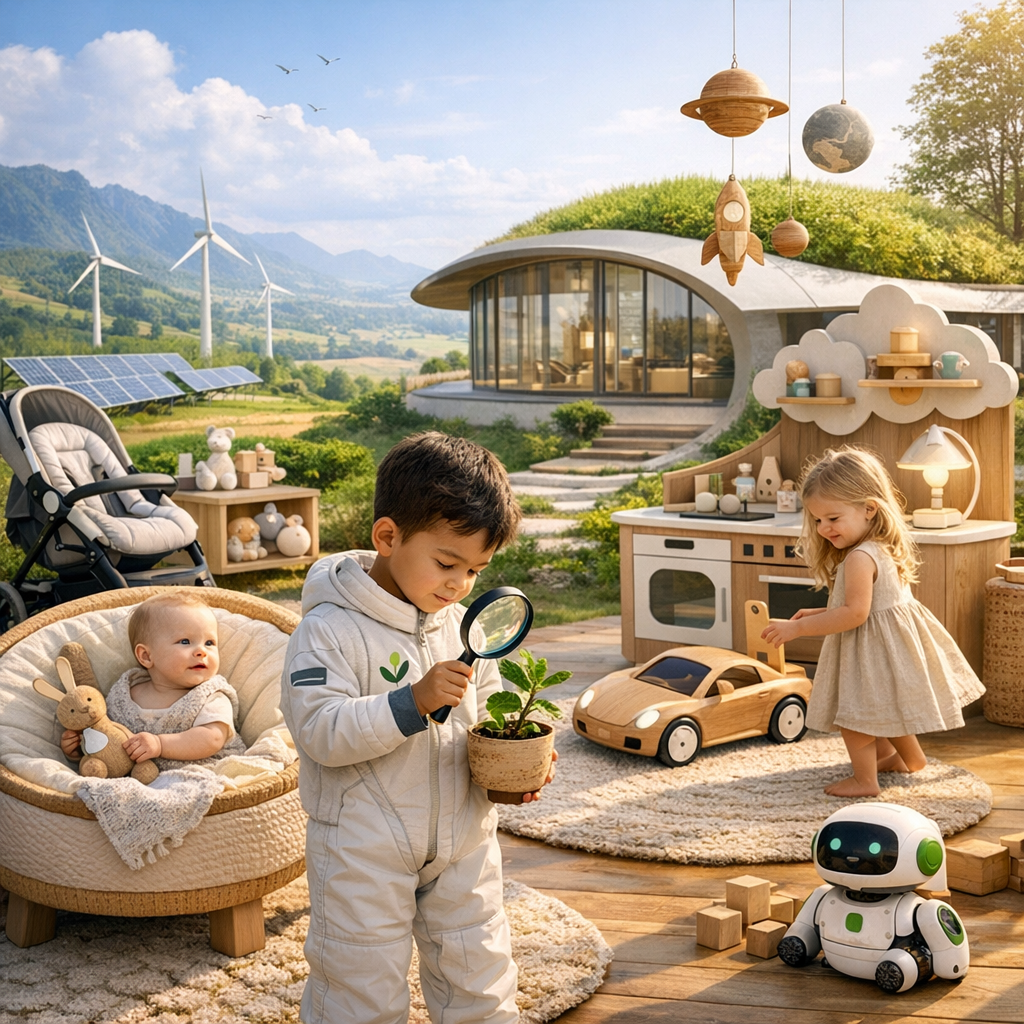
Parents of means understand that true luxury is not only about present comfort but about ensuring a healthy planet for future generations. Encouraging children to be eco-conscious is a valuable life lesson, as it fosters empathy, critical thinking, and problem-solving skills from an early age. As homes become more sustainable with energy-efficient systems and organic gardens, children begin to understand the symbiosis of luxury and ecology, developing an appreciation for our planet while enjoying the benefits of their privileged status.
Features
A variety of studies underscore the significance of early childhood experiences on lifelong environmental attitudes. According to a report published in The Journal of Environmental Education, early exposure to nature and sustainable practices can profoundly shape a child’s environmental ethics and behaviors. Children who frequently interact with natural environments are more likely to become adults who prioritize sustainability and environmental protection.
Moreover, a study from Frontiers in Psychology highlights the role of parental influence in cultivating eco-conscious behaviors among children. When parents model sustainable behaviors, such as recycling and energy conservation, children are more likely to adopt these practices. Engaging with children about the origins of the products they consume — where they come from, how they’re made, and their impact on the environment — also plays a crucial role in developing a lifelong sustainable mindset.
Luxury brands have taken note of these findings and apply them to their products and services. For instance, luxury eco-resorts are increasingly offering sustainability-focused family programs that educate children on environmental conservation while indulging them with five-star amenities. Brands are working hard to secure B-Corp certifications, which require meeting rigorous standards of social and environmental performance and accountability, ensuring that children’s first encounter with luxury is paired with responsible consumer education.
In the realm of sustainable fashion, brands are exploring how innovative materials, like bio-fabricated textiles and recycled fibers, can be luxurious yet sustainable. This shift is supported by research from the Fashion Industry Charter for Climate Action, which works towards a path to net-zero emissions for the fashion industry by 2050. Evidence indicates that introducing sustainability in children’s fashion can culminate in a profound cultural shift, helping children appreciate the value of sustainable living.
Conclusion
The blend of luxury and sustainability offers a compelling path for eco-conscious parenting. By investing in ethically-produced goods and experiences, affluent parents can guide their children toward becoming future sustainability champions, merging privilege with responsibility. In cultivating a next-generation that understands the essence of sustainable luxury, we are paving the way for a future where luxury embodies environmental stewardship and ethical innovation.

Dominic E. is a passionate filmmaker navigating the exciting intersection of art and science. By day, he delves into the complexities of the human body as a full-time medical writer, meticulously translating intricate medical concepts into accessible and engaging narratives. By night, he explores the boundless realm of cinematic storytelling, crafting narratives that evoke emotion and challenge perspectives. Film Student and Full-time Medical Writer for ContentVendor.com