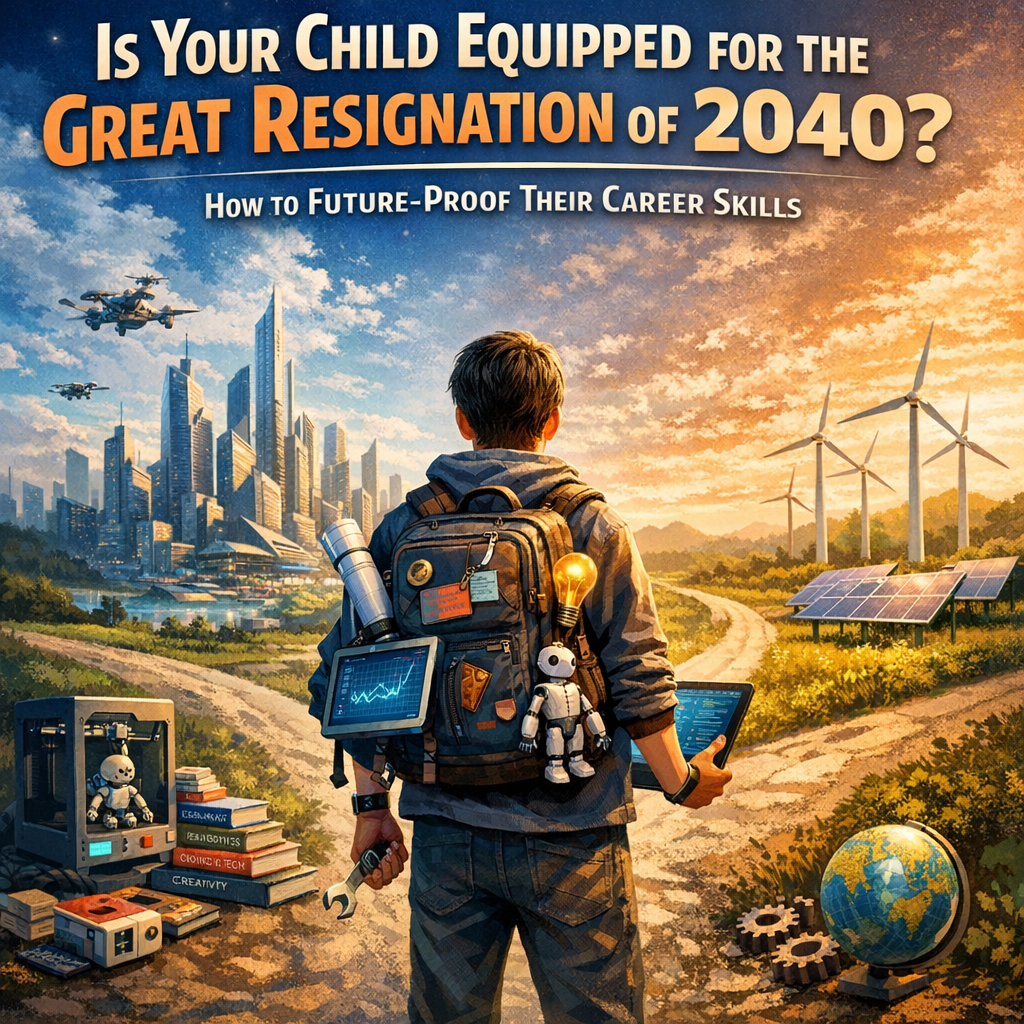
The Future of Childhood: How AI-Driven Environments Transform Kids into Tomorrow’s Leaders
Introduction
As we step into an increasingly digital age, it’s clear that artificial intelligence (AI) is not just a fleeting trend but a transformative force reshaping various sectors, including childhood education and development. Today’s parents, especially those with means, are witnesses to a revolution that promises to redefine how their children learn, play, and grow. AI-driven environments are bridging the realms of imagination and innovation, setting the stage for a future where children are not just passive consumers of technology but active creators and leaders.
AI has infiltrated nearly every aspect of our lives, from healthcare and finance to entertainment and security. In the context of child development, AI holds the potential to customize learning experiences, foster creativity, and cultivate essential skills that will prepare children for leadership roles in a rapidly changing world. As a parent privileged enough to invest in AI-driven tools and surroundings, understanding the capabilities and implications of this technology can help future-proof your child’s development.
AI-driven environments provide personalized learning experiences that adapt to each child’s strengths, weaknesses, and interests, offering a tailored educational journey. Imagine AI tutors that recognize when a child is struggling with math and seamlessly adjust the curriculum to focus on building those skills. Additionally, AI-powered playrooms can encourage critical thinking and problem-solving by immersing children in scenarios where they can interact with intelligent characters that respond and adapt to their actions.
These environments also champion creative expression, giving young minds the tools to explore and innovate. From AI-assisted music composition to art programs that mimic the styles of masters, children can expand their creative horizons with guided support from AI technologies. Moreover, AI fosters collaboration, instilling leadership qualities by encouraging teamwork, communication, and empathy through digital group activities or games.
The implications of AI-driven children’s environments extend beyond education and play; they carry significant weight regarding leadership skills and societal impact. As parents, fostering these skills ensures children have the dispositions required to navigate an interconnected world where global problems necessitate collaborative, innovative solutions. AI-driven environments offer an unparalleled platform to nurture future leaders who are adaptable, innovative, and prepared to tackle challenges that have yet to emerge.
Features
An increasing body of research underscores the profound impact AI-driven environments can have on childhood development. According to a study published in the Journal of Artificial Intelligence in Education, AI educational systems significantly enhance cognitive skills in children by allowing for a tailored learning journey: one that provides feedback and adjusts in real-time to meet the child’s specific needs.
Moreover, a report by the World Economic Forum highlights the role of AI in enhancing emotional intelligence and social skills—the cornerstones of effective leadership. AI-based games and simulations teach kids empathy and global awareness by exposing them to diverse cultures and perspectives, preparing them for leadership in an increasingly interconnected world.
From a medical standpoint, evidence from the Children’s Digital Media Center suggests AI can support neurodiverse children by customizing learning aids and providing therapeutic interactions that cater to individuals with autism or ADHD, contributing to a more inclusive and equitable learning environment.
AI-driven environments also promote the development of STEM (Science, Technology, Engineering, Mathematics) skills—a critical component for future leaders in a digital economy. According to a study by Carnegie Mellon University, interactive AI platforms can effectively boost children’s interest and engagement in STEM subjects by presenting complex concepts in engaging, accessible formats.
The integration of AI in children’s environments signals a shift in the traditional education paradigm, where rote learning gives way to discovery-driven, skills-based training. As AI systems increasingly become a staple in educational settings, future leaders are not merely knowledgeable but equipped with the problem-solving capabilities and creative thought processes needed to foster innovation and progress in society. For parents able and willing to invest in these AI tools, the emphasis should be on striking a balance between guiding their children’s interaction with AI and allowing them the autonomy to explore and learn within these environments.
Conclusion
As AI continues to evolve, the landscapes of learning and play are rich with potential to revolutionize childhood development and leadership cultivation. For parents of means, the investment in AI-driven environments is more than just preparing their children for the future—it’s crafting a present that inspires curiosity, innovation, and leadership. With a mindful approach, AI can be harnessed not only to enrich children’s lives but to shape them into tomorrow’s leaders, prepared to navigate and thrive in an ever-advancing world.

Dominic E. is a passionate filmmaker navigating the exciting intersection of art and science. By day, he delves into the complexities of the human body as a full-time medical writer, meticulously translating intricate medical concepts into accessible and engaging narratives. By night, he explores the boundless realm of cinematic storytelling, crafting narratives that evoke emotion and challenge perspectives. Film Student and Full-time Medical Writer for ContentVendor.com