Revolutionary Parenting Hacks: How AI Will Revolutionize Child Development in the Next 5 Years
Introduction
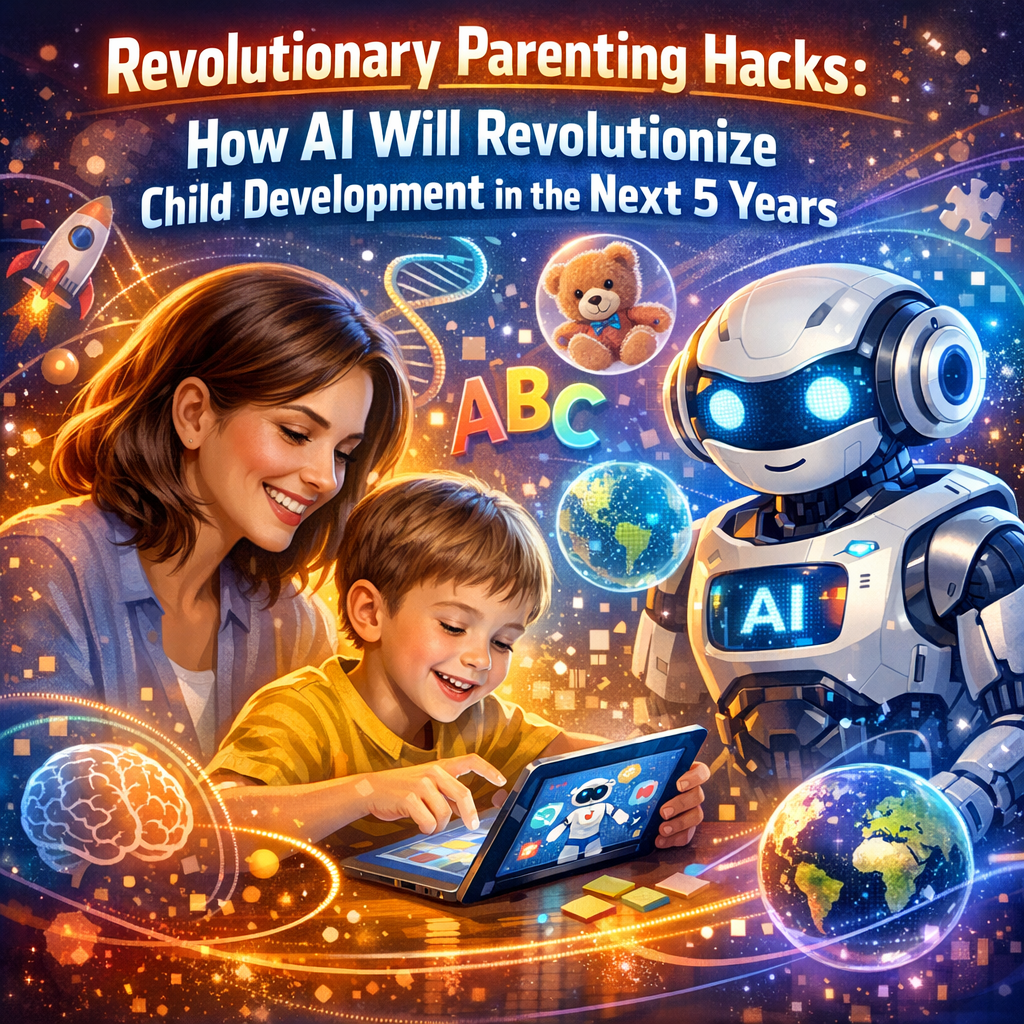
In today’s fast-paced, technology-driven world, Artificial Intelligence (AI) is no longer a futuristic concept—it’s rapidly becoming an integral part of our everyday lives. From virtual assistants and smart homes to self-driving cars, AI is reshaping the way we live and interact with the world around us. As parents, especially those with the means to embrace the latest technological advancements, it’s essential to understand how AI can play a transformative role in child development. Over the next five years, AI is set to revolutionize parenting by offering innovative solutions to age-old challenges, facilitating more personalized and effective developmental support for children.
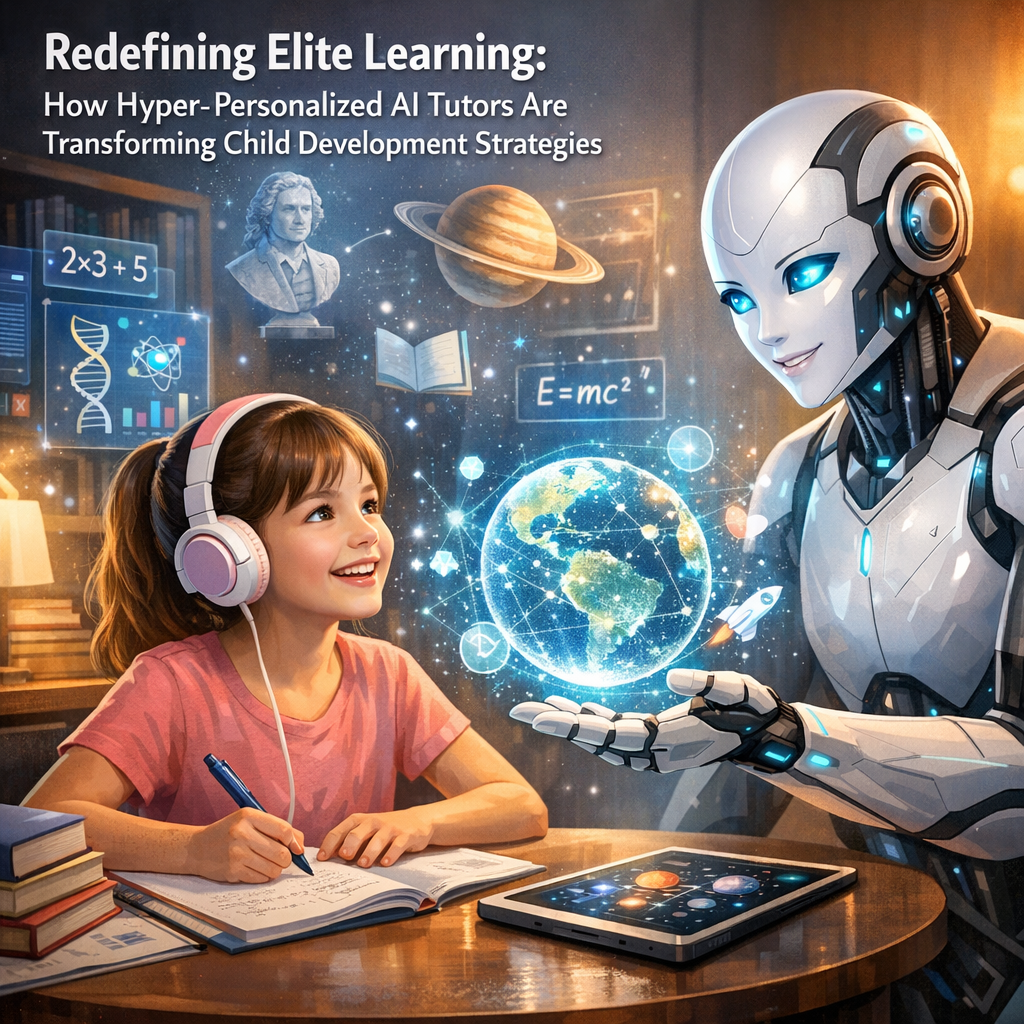
One major area of impact is in education. AI-powered educational tools can provide personalized learning experiences tailored to a child’s unique needs, learning pace, and interests. These tools can adapt in real-time to offer supplementary resources, identify areas that require additional focus, and celebrate success all while keeping the child engaged and motivated. Additionally, AI learning platforms can help identify potential learning disabilities or challenges early on, facilitating timely interventions that can significantly enhance a child’s educational journey.
AI is also transforming healthcare, providing parents with new tools to monitor their child’s physical and emotional well-being. Cutting-edge AI applications can analyze vast amounts of data to offer insights into a child’s health, suggesting dietary adjustments or exercise regimes to optimize growth and development. These systems can even track emotional cues through natural interaction, helping to detect stress or anxiety that might be invisible to the human eye.
However, as with any powerful tool, the use of AI in child development must be approached with care and consideration. Parents must stay informed about privacy and security implications, ensuring that personal data is protected and used ethically.
As we stand on the brink of this AI-driven era of parenting, it’s crucial to explore the ongoing research and innovations that promise to revolutionize how we nurture the next generation. By leveraging AI with compassion and wisdom, parents can unlock unprecedented opportunities for their children, paving the way for future success.
Features
Numerous studies and professional insights underscore the potential of AI to transform child development over the coming years. According to a report by PwC, AI is expected to contribute $15.7 trillion to the global economy by 2030, with a significant portion earmarked for educational and healthcare innovation. This financial boom will likely accelerate the integration of AI tools in child development contexts, offering exciting opportunities for personalized care and learning experiences. [Source: PwC](https://www.pwc.com/gx/en/issues/analytics/assets/pwc-ai-analysis-sizing-the-prize-report.pdf)
In the realm of education, a study from Stanford University highlights how AI-driven personalized learning programs are already showing significant improvements in student outcomes. These programs leverage machine learning algorithms to tailor educational content to each child’s unique needs and interests, leading to higher engagement and better grades. The potential to democratize high-quality education and make it accessible to children across various socio-economic backgrounds is an exciting prospect. [Source: Stanford University](https://news.stanford.edu/2020/06/22/ai-personalized-education/)
Healthcare, too, is on the brink of transformation through AI. Research published in Nature Medicine has demonstrated the accuracy of AI in diagnosing childhood diseases. AI models can analyze medical images and patient data with remarkable precision, often outperforming human doctors in speed and accuracy. This development opens up new avenues for early intervention and individualized treatment plans, contributing to better health outcomes for children. [Source: Nature Medicine](https://www.nature.com/articles/s41591-019-0495-0)
Mental health is another crucial area where AI is making significant strides. Emotion-sensing AI, which uses natural language processing and facial recognition technology, has been shown to detect signs of stress and anxiety in children. A study in the Journal of Medical Internet Research highlights how AI systems can offer real-time feedback to parents and caregivers, enabling timely interventions to support mental well-being. [Source: Journal of Medical Internet Research](https://www.jmir.org/2019/8/e12845)
Conclusion
In the next five years, AI is set to transform child development in ways previously unimaginable. By leveraging AI, parents can offer their children personalized educational experiences, improved healthcare, and better mental health support. However, it is crucial to approach this technological revolution with caution, ensuring that the use of AI is ethical and benefits the child. As we embrace these innovations, we must remain vigilant stewards of our children’s data and personal security, paving the way for a brighter, tech-enhanced future.

Dominic E. is a passionate filmmaker navigating the exciting intersection of art and science. By day, he delves into the complexities of the human body as a full-time medical writer, meticulously translating intricate medical concepts into accessible and engaging narratives. By night, he explores the boundless realm of cinematic storytelling, crafting narratives that evoke emotion and challenge perspectives. Film Student and Full-time Medical Writer for ContentVendor.com