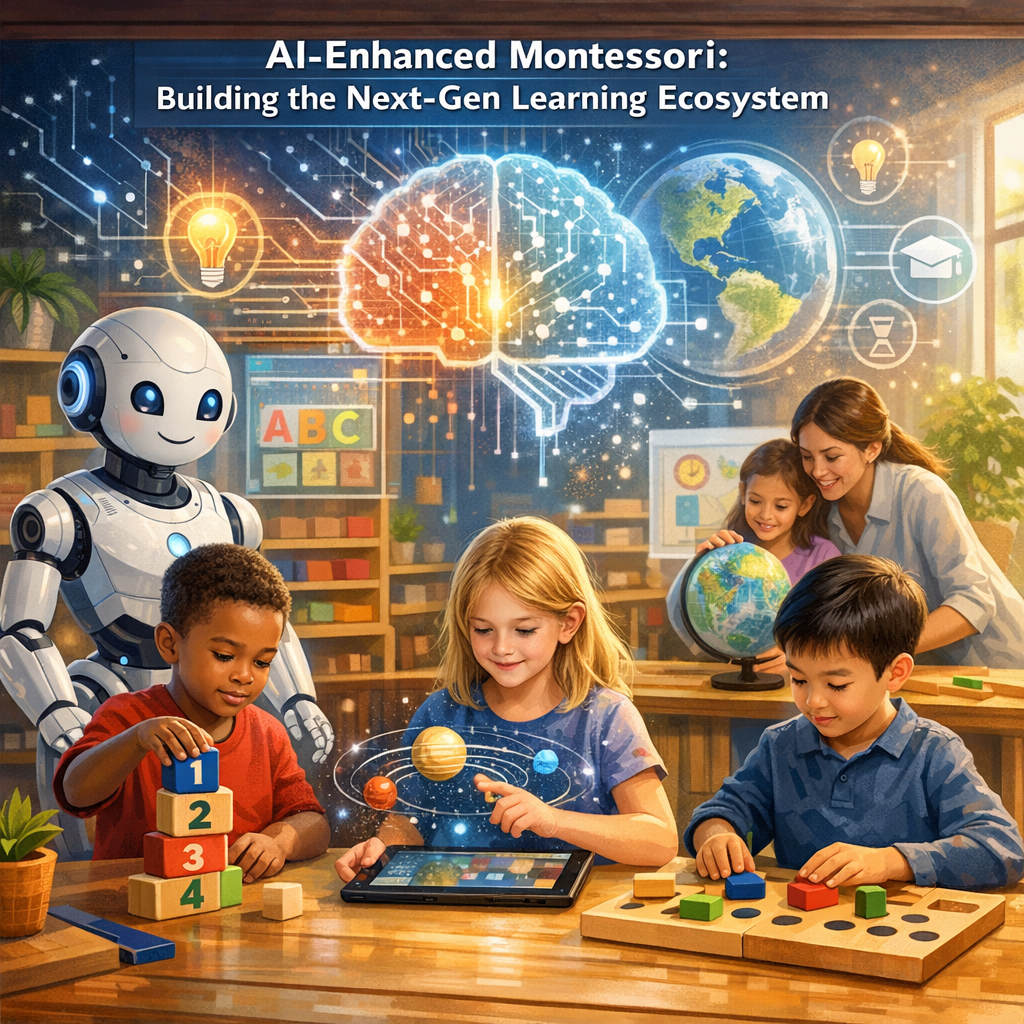
AI-Enhanced Montessori: Building the Next-Gen Learning Ecosystem
Topic Introduction
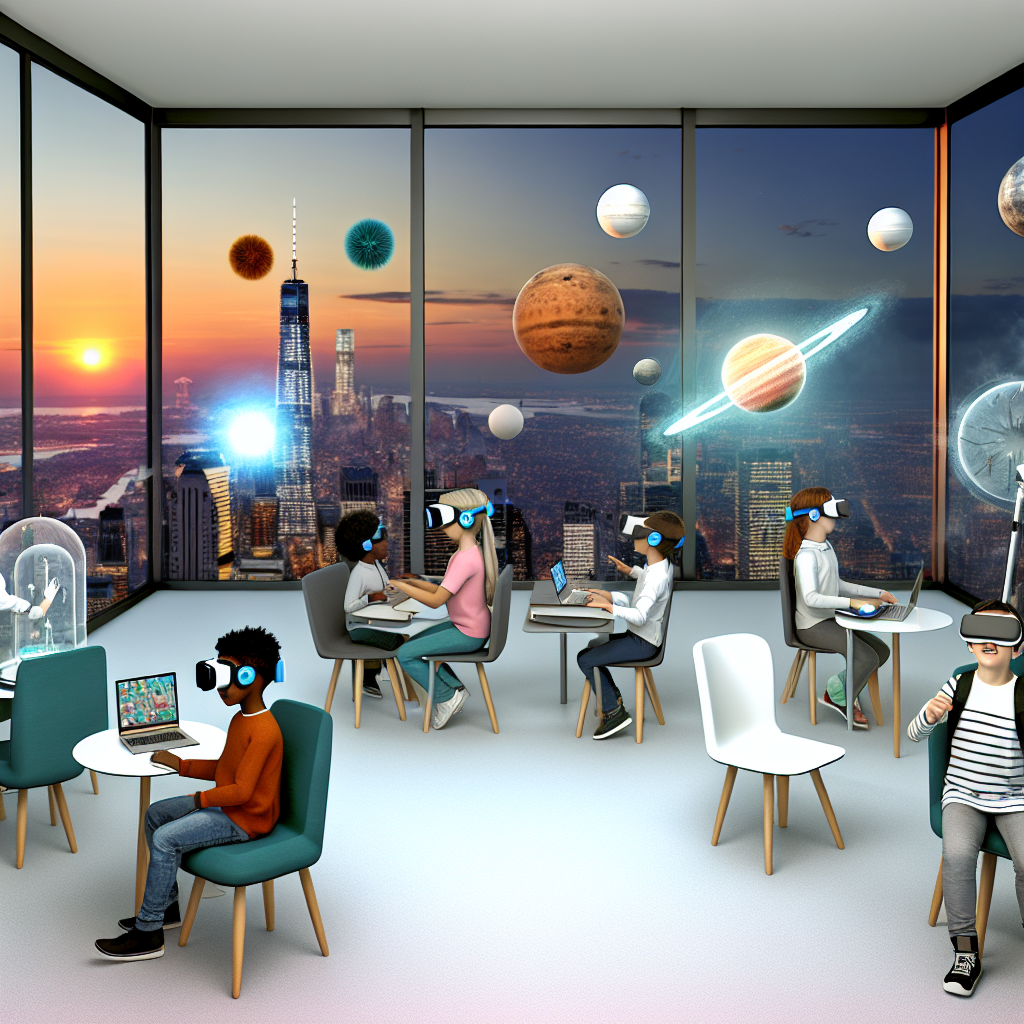
In today’s fast-paced digital world, education is undergoing a seismic shift. Traditional methods of learning are being augmented by cutting-edge technologies that promise to offer more personalized and engaging experiences for children. Among the most transformative of these modern educational methodologies is the integration of Artificial Intelligence (AI) with the Montessori approach. Montessori, with its child-centered philosophy, emphasizes hands-on, self-directed learning and has been a favorite among progressive educators and parents for more than a century. Now, the enhancement of Montessori with AI aims to elevate this holistic learning model into a next-gen ecosystem that caters to today’s digital-savvy learners.
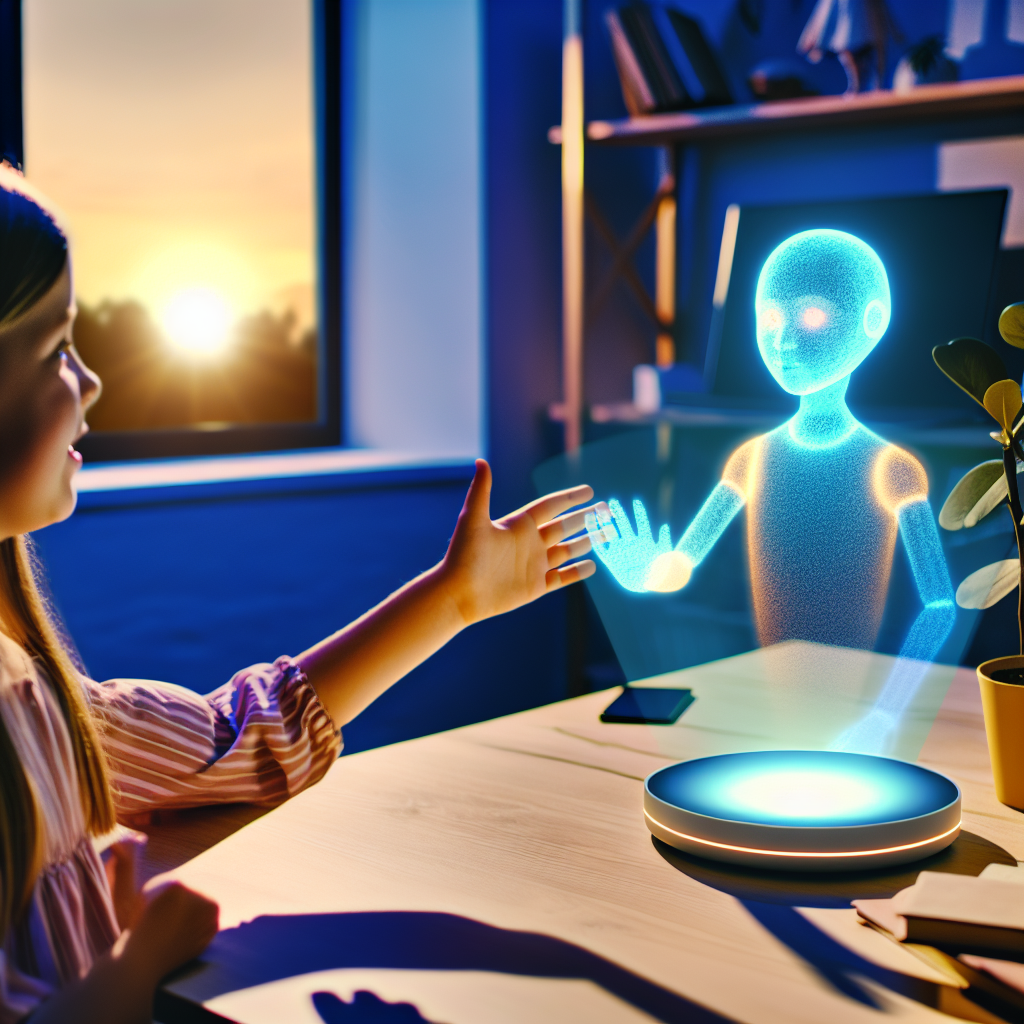
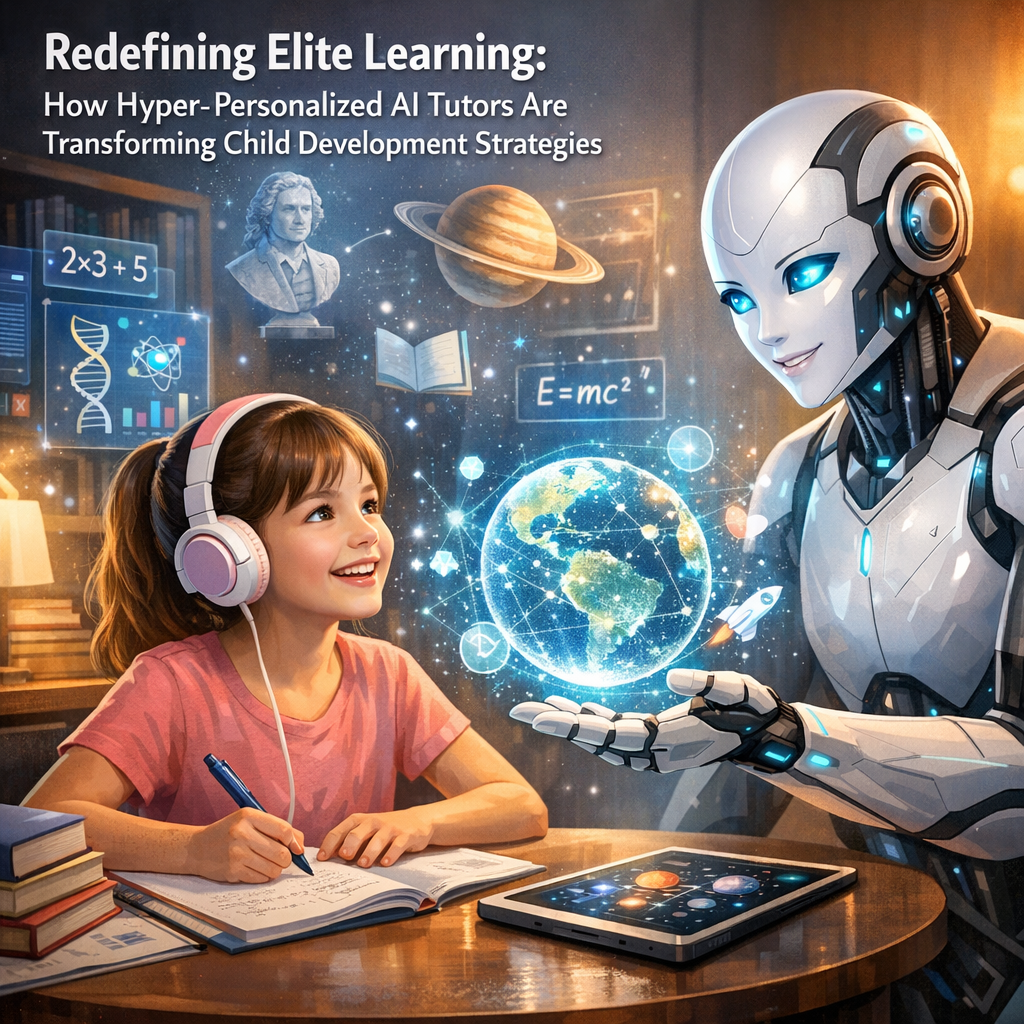
AI-enhanced Montessori education uses intelligent algorithms to adapt the learning environment to each child’s unique pace and understanding. By closely analyzing how a child interacts with learning materials, AI can tailor lessons in real-time, ensuring that each child remains motivated and engaged. This integration of technology enables a more comprehensive developmental picture, providing educators and parents with actionable insights into a child’s cognitive, emotional, and social growth.
The use of AI in education extends beyond personalization. It can help in detecting learning difficulties at an early stage, thereby allowing for timely interventions. This proactive approach in a Montessori setting empowers children to overcome obstacles in a stress-free environment, reducing pressure and enhancing their love for learning. Moreover, AI can automate administrative tasks, freeing educators to focus more on interacting with students and crafting enriching educational experiences.
The promise of AI-enhanced Montessori lies not only in building skills and imparting knowledge but also in fostering critical thinking, creativity, and self-advocacy skills necessary for future success. As we explore the potential that AI unleashes within the Montessori framework, the question no longer is whether technology should have a place in Montessori education but how best it can serve the holistic development of children. This frontier of education represents a synergistic blend of human intuition and machine efficiency, laying the groundwork for truly personalized learning ecosystems that inspire the innovators of tomorrow.
Features
Recent studies and professional insights have begun to shed light on the benefits of integrating AI with Montessori education. A 2022 study published in the Journal of Educational Technology & Society explored how AI algorithms could adaptively customize educational content to enhance the Montessori learning experience. Through the use of AI, students’ interactions with learning modules were tracked to determine areas where they excelled and where additional assistance was needed. The study found that participants within AI-enhanced Montessori environments showed improved problem-solving abilities and greater engagement as compared to traditional settings.
Moreover, AI’s capacity for data analysis extends the functionality of Montessori education. A report by the World Economic Forum highlighted how AI-driven assessment tools, paired with Montessori methodologies, can deliver immediate feedback not only on academic progress but also on behavioral and emotional development. This comprehensive feedback loop enables educators to tailor the environment to support each child’s individual needs, thereby enhancing overall development.
Furthermore, health professionals have pointed out that early detection and intervention in learning disabilities can transform educational outcomes for children. AI-enhanced Montessori programs can identify atypical learning patterns earlier than traditional techniques, allowing for interventions that are more effective and less disruptive to the child’s educational experience. A study published in the British Journal of Educational Psychology indicated that early AI-assisted detection of dyslexia and other learning challenges resulted in significant improvements in literacy and academic performance among young students.
As AI technology advances, it continues to support and enrich the Montessori method without overshadowing its core principles of fostering independence, exploration, and a love for learning. The synergy between AI and Montessori pedagogy presents an inviting landscape for ongoing research and innovation in educational strategies.
Conclusion
AI-enhanced Montessori represents a powerful fusion of innovative technology and timeless educational philosophy, aiming to create a learning ecosystem that is both adaptive and nurturing. By leveraging AI’s capabilities, this approach not only aligns with the demands of today’s learners but also strengthens the Montessori method’s focus on individualized growth. As we navigate the future of education, this blend offers hope for crafting learning experiences that are as unique as each child it serves, preparing them for the complex world ahead.

Dominic E. is a passionate filmmaker navigating the exciting intersection of art and science. By day, he delves into the complexities of the human body as a full-time medical writer, meticulously translating intricate medical concepts into accessible and engaging narratives. By night, he explores the boundless realm of cinematic storytelling, crafting narratives that evoke emotion and challenge perspectives. Film Student and Full-time Medical Writer for ContentVendor.com