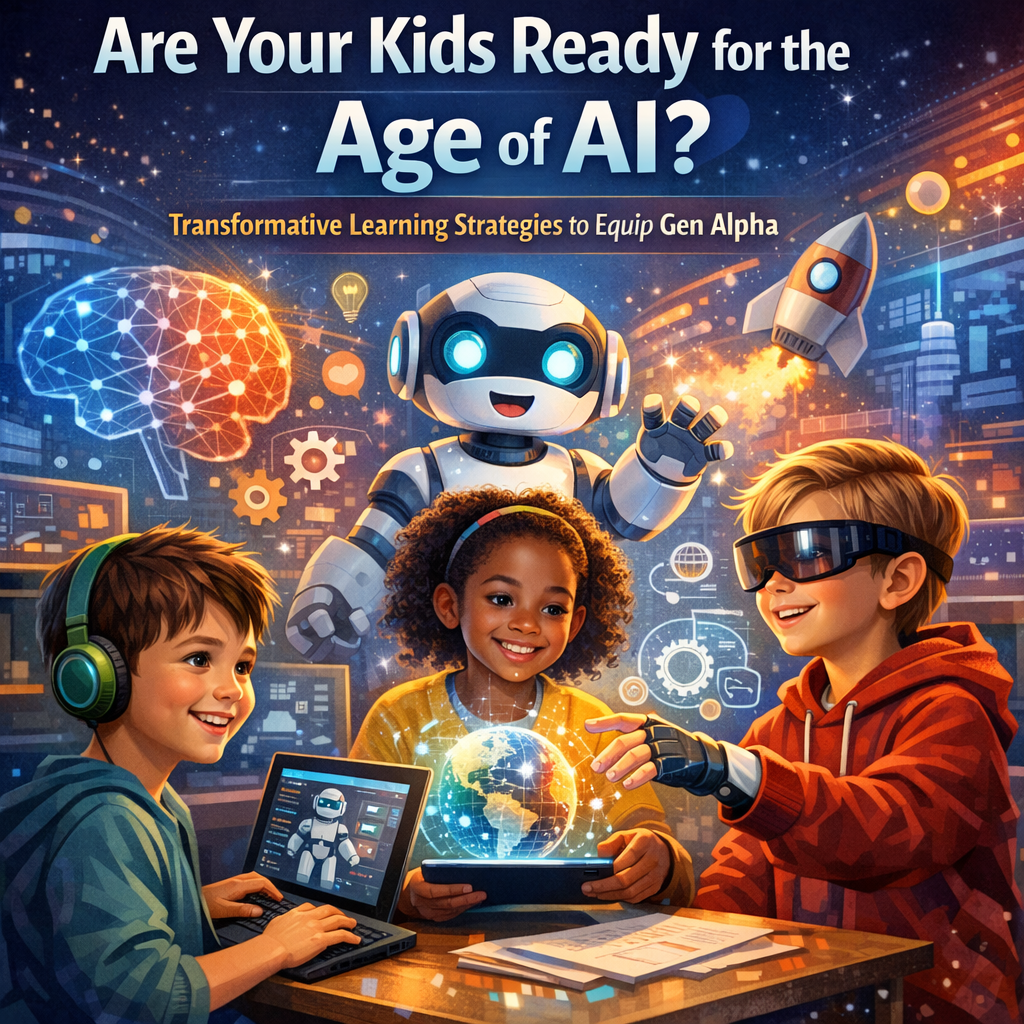
Are Your Kids Ready for the Age of AI? Transformative Learning Strategies to Equip Gen Alpha
Introduction
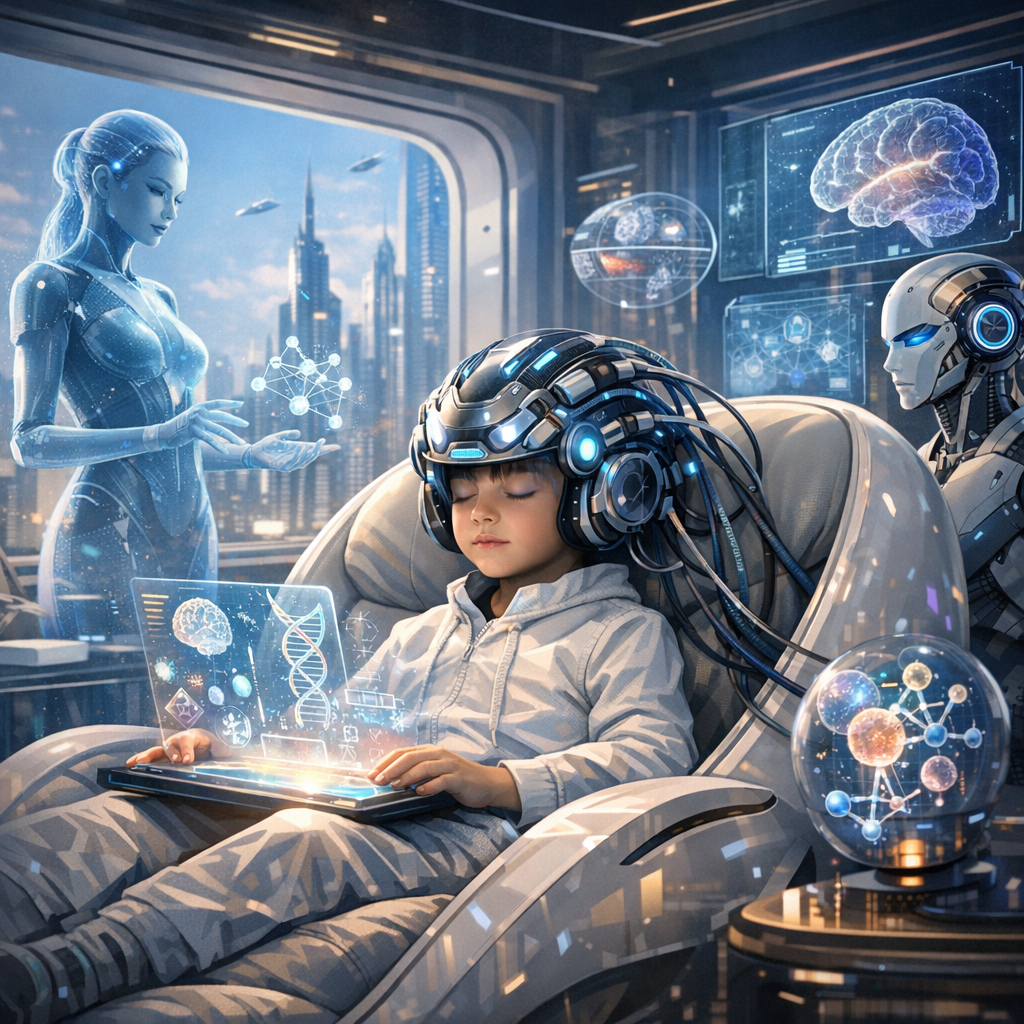
As we rapidly advance into an era dominated by artificial intelligence (AI), preparing the youngest cohort, Generation Alpha, for the world they will inherit becomes increasingly essential. Born with smartphones in hand and growing up with virtual assistants like Alexa and Siri, these children are experiencing a digital landscape that continues to morph at an unprecedented rate. The integration of AI across multiple sectors is not only transforming how industries operate but also how future generations will learn, communicate, and work.
AI-driven technologies like machine learning, robotics, and data analytics are set to redefine traditional education models, requiring parents of means to explore dynamic and transformative learning strategies. As AI grows more sophisticated, the future workforce will need a skill set that traditional schooling may not fully address. Creative problem-solving, critical thinking, emotional intelligence, and adaptability will be just as important as traditional academic subjects—if not more so.
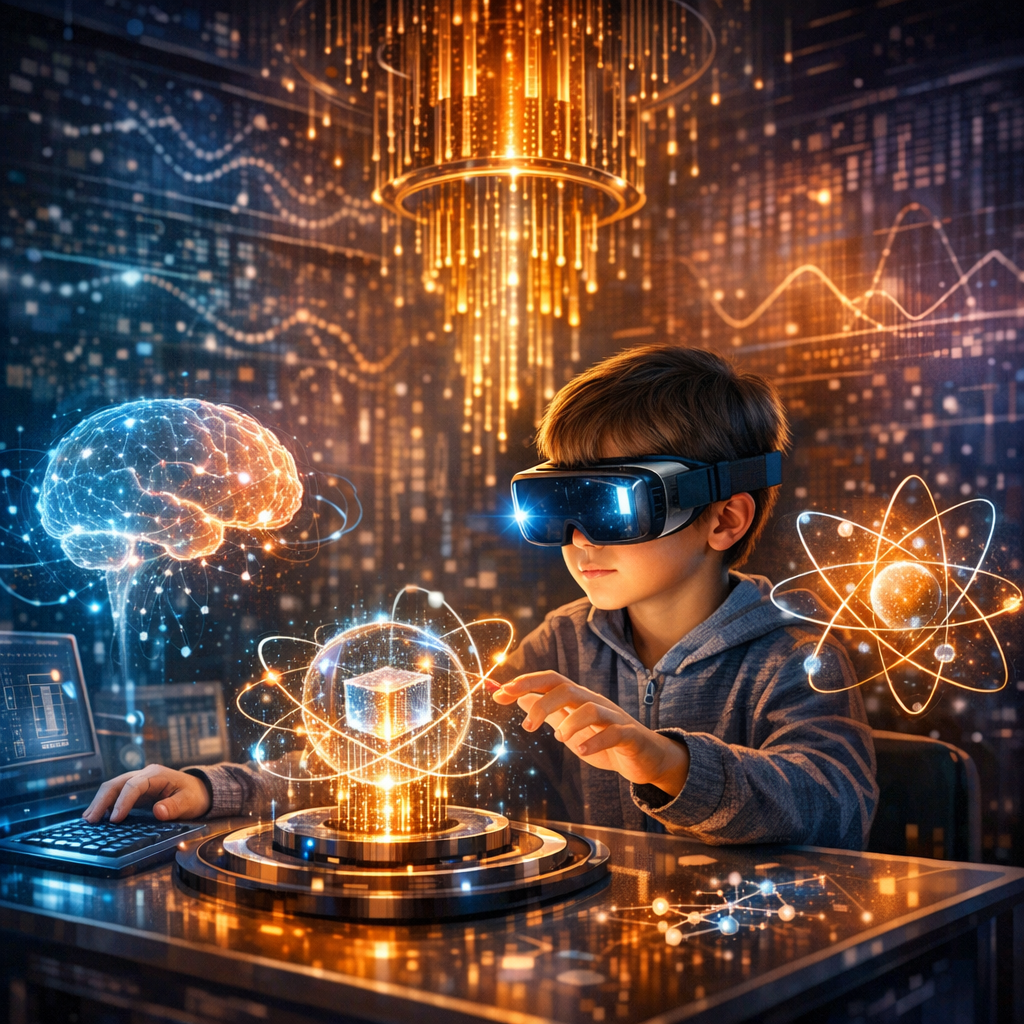
While Gen Alpha may seem like digital natives at first glance, there is more to preparing them for the age of AI than merely understanding its superficial functionalities. Instead, the goal is to foster a genuine understanding of how AI works and its broader implications, helping them develop a strong, adaptable foundational knowledge. This will enable them to not only coexist with intelligent machines but potentially lead revolutionary innovations themselves.
In this ever-changing context, it is crucial for affluent parents to take a proactive approach to education. Empowering their children to thrive in a digital future may involve exploring exclusive programs, having access to personalized learning experiences, and even engaging with AI-driven educational tools that leverage the latest advancements in cognitive psychology and neuroscience. By investing in these opportunities, parents can ensure their children are more than just consumers of technology but rather innovators who can shape the next wave of AI advancements.
Features
The drive to integrate AI into learning strategies has caught the attention of educational researchers and technologists alike. Recent studies highlight the importance of personalized learning environments that AI can facilitate, allowing educators to tailor experiences to suit individual learning styles. A report from the World Economic Forum emphasizes that AI has the potential to transform educational systems by providing data-driven insights that can lead to more equitable and effective education outcomes (source: [World Economic Forum](https://www.weforum.org/reports/the-mercer-global-talent-competitiveness-index-2019)).
A study from the MIT Media Lab, titled “AI in Education: Between Hype and Reality,” suggests that AI can significantly enhance the learning experience by automating administrative tasks, thus giving teachers more time to focus on interactive and engaging instruction (source: [MIT Media Lab](https://www.media.mit.edu/posts/ai-in-education-between-reality-and-hype/)). Moreover, AI can provide real-time feedback, a crucial factor in maintaining student engagement and adapting teaching methods to optimize learning. When harnessed correctly, AI can identify learning gaps and recommend specific resources, fostering an environment where self-directed learning thrives.
Furthermore, neuroscience provides insights into how AI-enabled tools can support cognitive development. For instance, adaptive learning platforms use cognitive load theory to adjust the difficulty and pacing of content based on a student’s current performance, ensuring that learning remains within the optimal zone of proximal development. The National Science Foundation has supported numerous studies showcasing how machine learning algorithms can predict student outcomes and suggest appropriate interventions, thus fostering a growth-oriented learning mindset (source: [NSF](https://www.nsf.gov/news/)).
Medical professionals also highlight the importance of balancing AI with human interaction. According to the American Academy of Pediatrics, exposure to screen-based technologies should be limited and balanced with social and physical activities to ensure the holistic development of Gen Alpha children (source: [AAP](https://www.aap.org)). The role of AI-enhanced education, therefore, is not to replace traditional methods but rather to complement them, creating a harmonious blend that supports all aspects of a child’s development.
Conclusion
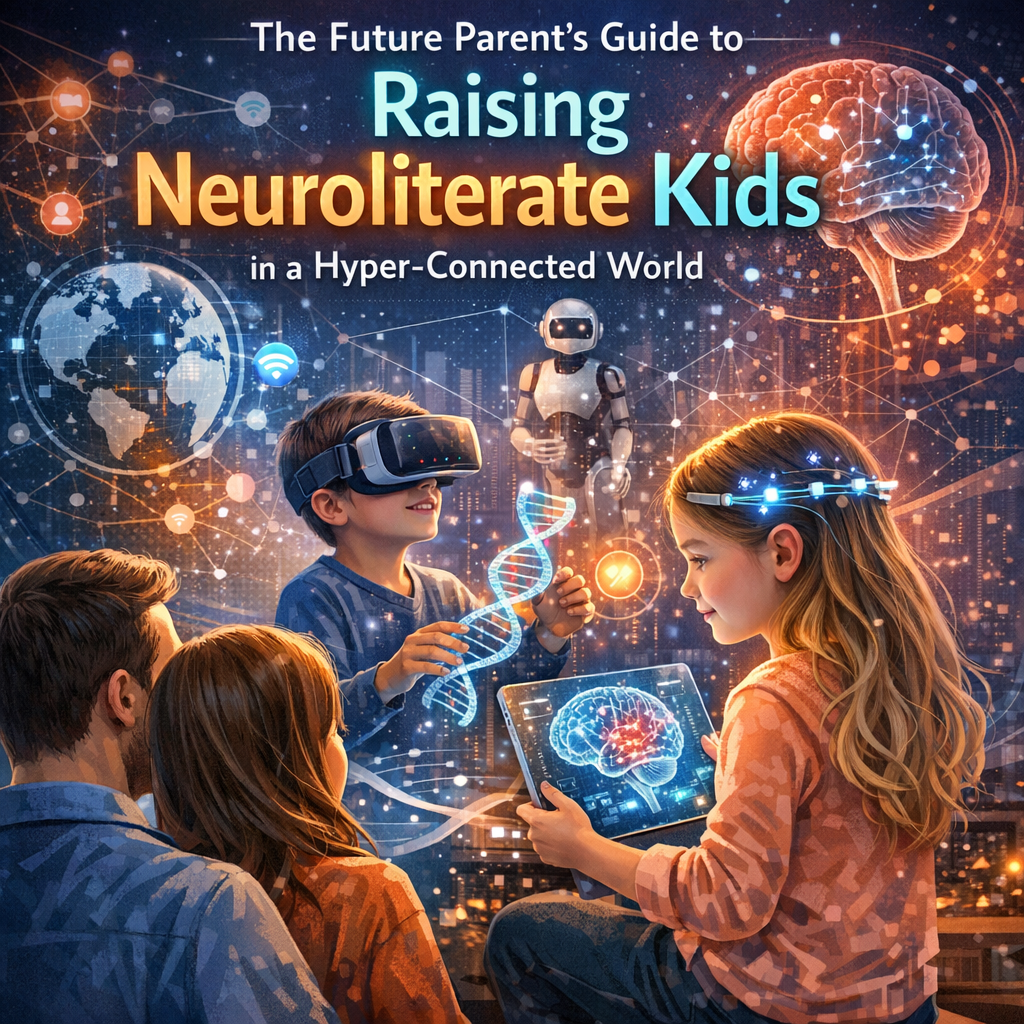
In conclusion, preparing Gen Alpha for the age of AI requires a thoughtful blend of traditional education enriched with AI-driven learning strategies. By investing in personalized learning experiences and staying informed about technological advances, parents can empower their children to become not just participants in, but pioneers of, the AI-powered future. As technology’s presence in our lives continues to deepen, equipping our children with the skills and knowledge to harness AI’s potential is a wise investment in their future.

Dominic E. is a passionate filmmaker navigating the exciting intersection of art and science. By day, he delves into the complexities of the human body as a full-time medical writer, meticulously translating intricate medical concepts into accessible and engaging narratives. By night, he explores the boundless realm of cinematic storytelling, crafting narratives that evoke emotion and challenge perspectives. Film Student and Full-time Medical Writer for ContentVendor.com