Introduction
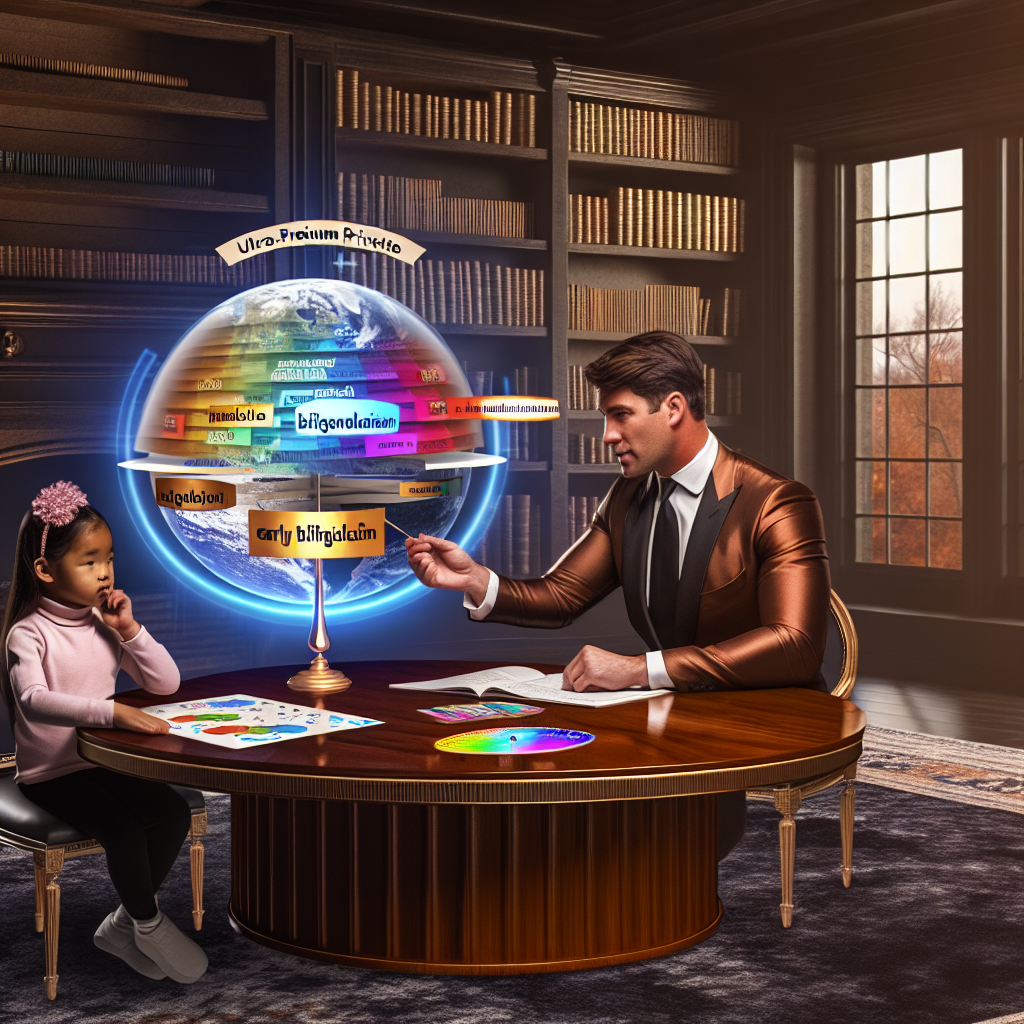
As parents striving to provide the best opportunities for their children, many of us are constantly exploring innovative educational approaches. In an era where traditional schooling is gradually being perceived as too rigid and standardized, the concept of micro-schools has emerged as a transformative alternative. This model is particularly appealing to parents seeking a bespoke educational experience fitting the unique needs of their children.
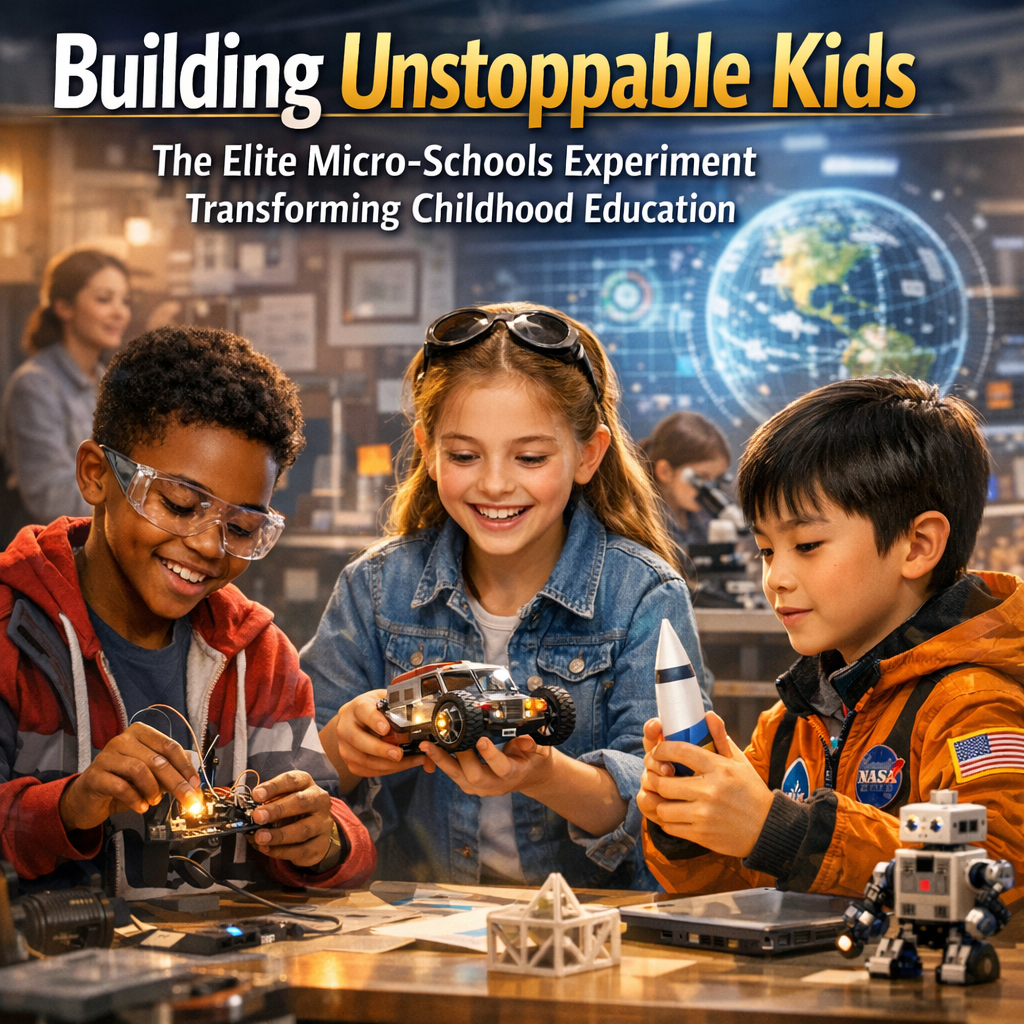
Micro-schools are small private educational hubs that offer personalized and often avant-garde curricula, focusing on the individual student rather than an average mold. These elite institutions prioritize a student-centered learning environment, often featuring low teacher-to-student ratios and an emphasis on project-based, experiential learning. As school sizes allow for adaptive teaching methods, micro-schools have gained traction, particularly among families who can afford this premium education model and want to ensure their child is not just learning but thriving.
Beyond the tailored academic programs, micro-schools aim to nurture soft skills pivotal for long-term success in a rapidly evolving world. Critical thinking, creativity, emotional intelligence, and entrepreneurship are as central to the curriculum as traditional academics. This holistic approach ensures students not only excel in exams but possess the skills needed to become adaptable, innovative leaders in their respective futures.
In a rapidly changing digital age, where the workforce of tomorrow is uncertain, preparing our children to be versatile and resilient is invaluable. For families of means who can afford to prioritize and invest in education beyond the ordinary, micro-schools present a path that reflects their aspirations for their children’s futures – competitive, confident, and ready for any challenge the world might present.
Features
Recent research underscores the efficacy of micro-schooling, especially at a time when traditional education systems are being critically examined for their effectiveness. A study from the [National Center for Education Statistics](https://nces.ed.gov/) highlighted that small class sizes, a hallmark of micro-schools, significantly contribute to higher student engagement and improved individualized attention.
Professional educators and psychologists advocate for the micro-school model, suggesting it supports both the academic and emotional development of children by fostering a supportive community environment. According to Dr. Deborah Waber, a renowned child psychologist at [Boston Children’s Hospital](https://www.childrenshospital.org/), the intimate setting of micro-schools allows educators to truly know their students. This facilitates a deeper understanding of each child’s learning style and needs. This personalized approach is not feasible in larger educational institutions and is a critical advantage of the micro-school setting.
Moreover, educational theorists like Sir Ken Robinson argue for a paradigm shift in education away from the industrial model of traditional education towards more individualized learning experiences. In his [TED Talk](https://www.ted.com/), Robinson discusses the importance of schools nurturing creativity and adaptability – traits that micro-schools inherently foster through customized curricula and project-based learning.
The idyllic setting of micro-schools also often includes unique, high-end amenities that can enhance the educational experience. This ranges from advanced science labs and art studios to outdoor classrooms and technological resources that are unrealistic in larger public settings. This environment not only encourages learning but enthusiasm and passion towards self-driven education.
Conclusion
The emergence of elite micro-schools is reshaping the landscape of childhood education, offering an adaptable and dynamic alternative for families ready to invest in their children’s future. As these micro-environments continue to flourish, they promise a pioneering path that deviates from traditional schooling limitations, empowering each child to become unstoppable. By choosing micro-schools, affluent parents are not just opting for an education model but a future-ready strategy that holistically nurtures their children’s potential.
References
1. National Center for Education Statistics. [Link to Study](https://nces.ed.gov/)
2. Boston Children’s Hospital – Child Development Specialists. [Link to Hospital](https://www.childrenshospital.org/)
3. TED Talk by Sir Ken Robinson – [Link to TED Talk](https://www.ted.com/)

Dominic E. is a passionate filmmaker navigating the exciting intersection of art and science. By day, he delves into the complexities of the human body as a full-time medical writer, meticulously translating intricate medical concepts into accessible and engaging narratives. By night, he explores the boundless realm of cinematic storytelling, crafting narratives that evoke emotion and challenge perspectives. Film Student and Full-time Medical Writer for ContentVendor.com