Harnessing AI to Cultivate Entrepreneurial Mindsets in Children: Building Tomorrow’s Innovators Today
In today’s rapidly evolving world, the ability to adapt, innovate, and lead is more valuable than ever. As parents of means, there’s an opportunity to provide children with the tools and experiences that foster an entrepreneurial mindset from a young age. With the advent of Artificial Intelligence (AI), a powerful tool has emerged that can play a pivotal role in nurturing these skills. By integrating AI into children’s learning environments, parents can help cultivate essential traits such as creativity, problem-solving, resilience, and leadership — traits that are integral to future success and innovation.
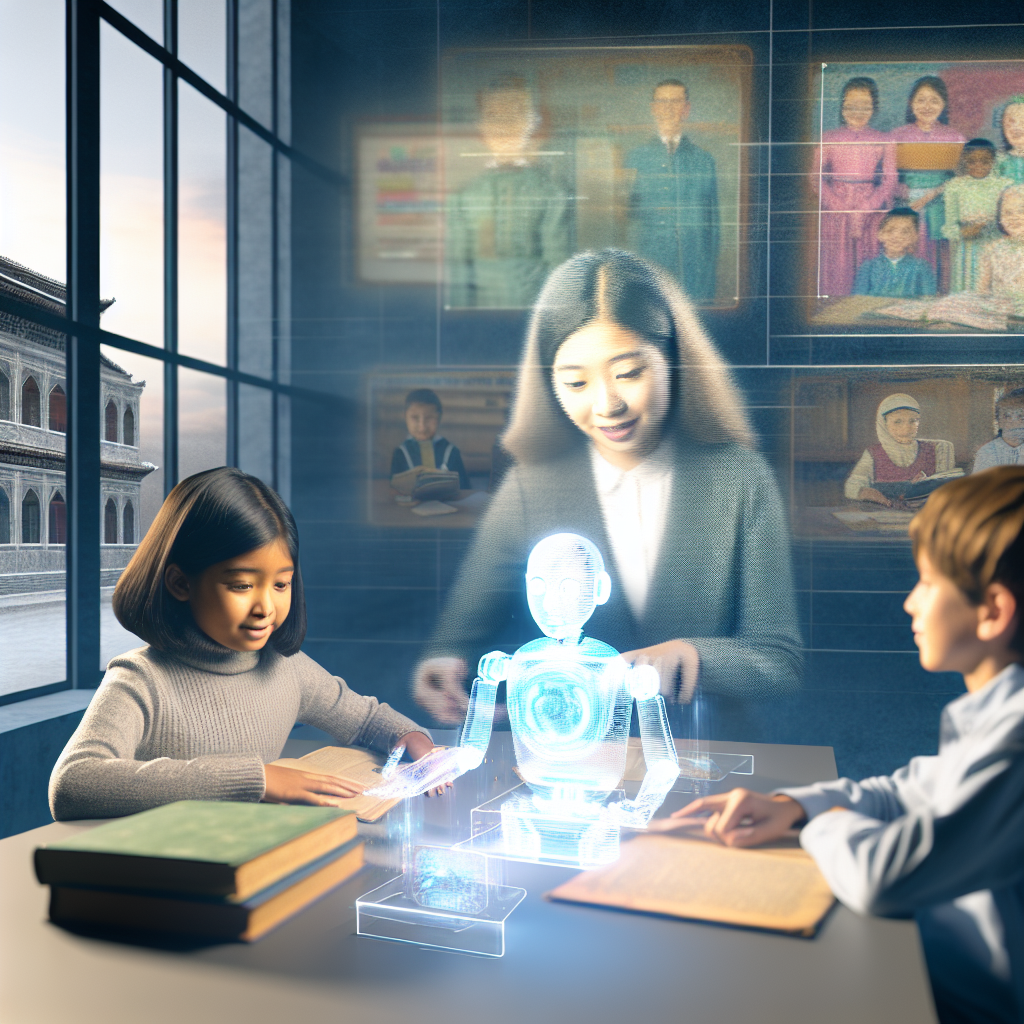
AI’s integration into educational settings allows for personalized learning experiences that adapt to a child’s unique pace and style, thereby promoting independent thinking and facilitating an entrepreneurial spirit. For instance, AI-powered platforms can assess a child’s strengths and areas for improvement, tailoring content to align with their interests and capabilities. This not only enhances engagement but also encourages children to take ownership of their learning journey, a core tenet of entrepreneurship.
Furthermore, AI technology offers interactive environments where children can experiment with problem-solving scenarios in a risk-free setting. Through gamified learning modules, coding platforms, and simulation games, youth are empowered to tackle challenges, make decisions, and learn from mistakes — all within a virtual space that mirrors real-world entrepreneurial trials. These experiences teach children the value of persistence, adaptability, and creative thinking — key qualities of successful entrepreneurs.
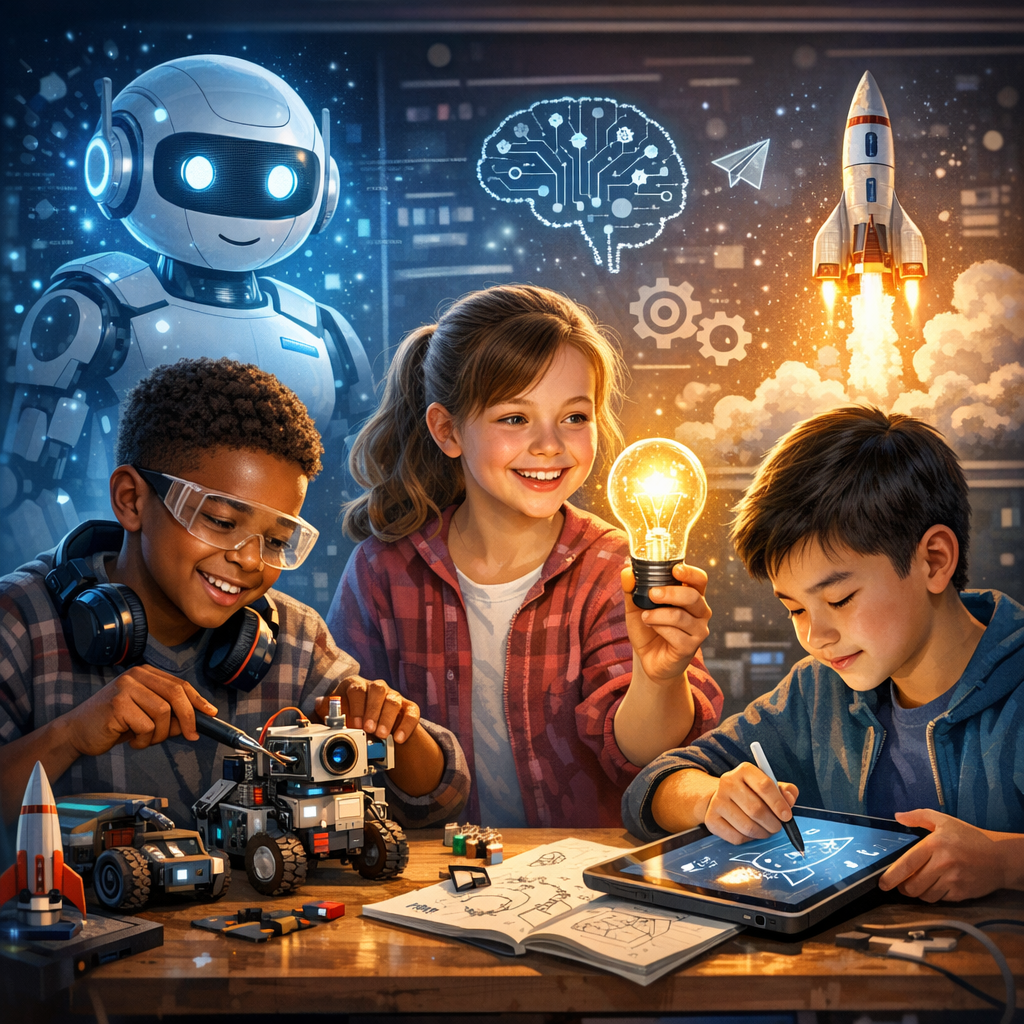
Imagine a world where kids are using AI tools to invent new gadgets, launch virtual businesses, or even write books. With the guidance of parents and educators, and fueled by AI, children can explore their innovative potential. By leveraging AI in this way, they are not merely passive consumers of technology but active creators and future leaders, poised to drive change in an increasingly complex world.
Features
Several professional and academic studies highlight the impact of harnessing AI to foster entrepreneurial thinking in children. For instance, a study published by the World Economic Forum emphasized the changing nature of work and identified digital literacy and entrepreneurship as critical skills needed by 2030. The report suggests that incorporating AI in education can bridge these skills gaps, providing interactive and personalized learning environments that foster both digital savvy and entrepreneurial spirit.
In another significant study conducted by MIT’s Initiative on the Digital Economy, researchers explored how AI and machine learning could be used to stimulate entrepreneurial thinking in students. The findings indicated a marked increase in their ability to think critically and solve complex, open-ended problems when engaging with AI-driven educational tools — abilities that mirror the mindset of successful entrepreneurs. The study concluded that AI’s capacity to offer real-time feedback and support personalized learning journeys was instrumental in developing these crucial skills.
Moreover, research from Stanford University underscored that employing AI in educational contexts allows for adaptive learning, which is key to nurturing an entrepreneurial mindset. The use of AI technologies in classrooms demonstrated a significant enhancement in student engagement, motivation, and self-directed learning, fostering an entrepreneurial mindset. By embracing AI, educators can craft learning experiences that encourage children to experiment, explore, and innovate.
These studies provide a robust foundation for understanding how AI can act as a catalyst in developing the entrepreneurial capabilities of future generations. As AI continues to evolve, its role in education and entrepreneurship will undoubtedly expand, offering new opportunities for cultivating the innovators and leaders of tomorrow.
Conclusion
As we look to the future, the integration of AI in educational settings presents a brilliant opportunity to empower the next generation. By nurturing entrepreneurial mindsets early in life, parents of means can prepare their children to thrive in a world that demands innovation, adaptability, and leadership. AI is not just a tool for learning — it’s a gateway to cultivating a mindset that can lead to endless possibilities and success in an increasingly complex global landscape.
References
– [World Economic Forum Report on Skills of 2030](https://www.weforum.org/reports/the-future-of-jobs-report-2020)
– [MIT’s Initiative on the Digital Economy Study](https://ide.mit.edu/)
– [Stanford University Study on Adaptive Learning](https://ed.stanford.edu/)

Dominic E. is a passionate filmmaker navigating the exciting intersection of art and science. By day, he delves into the complexities of the human body as a full-time medical writer, meticulously translating intricate medical concepts into accessible and engaging narratives. By night, he explores the boundless realm of cinematic storytelling, crafting narratives that evoke emotion and challenge perspectives. Film Student and Full-time Medical Writer for ContentVendor.com