Private Wildlife Conservation Programs for Young Environmentalists
In an era marked by environmental challenges, fostering a love and respect for nature in the next generation is more crucial than ever. Private wildlife conservation programs are emerging as innovative educational avenues, designed specifically to engage young environmentalists and instill in them the skills and passion necessary for safeguarding our planet’s biodiversity. These programs focus on equipping children from affluent families with unique, hands-on experiences that nurture their ecological curiosity and ecological awareness.
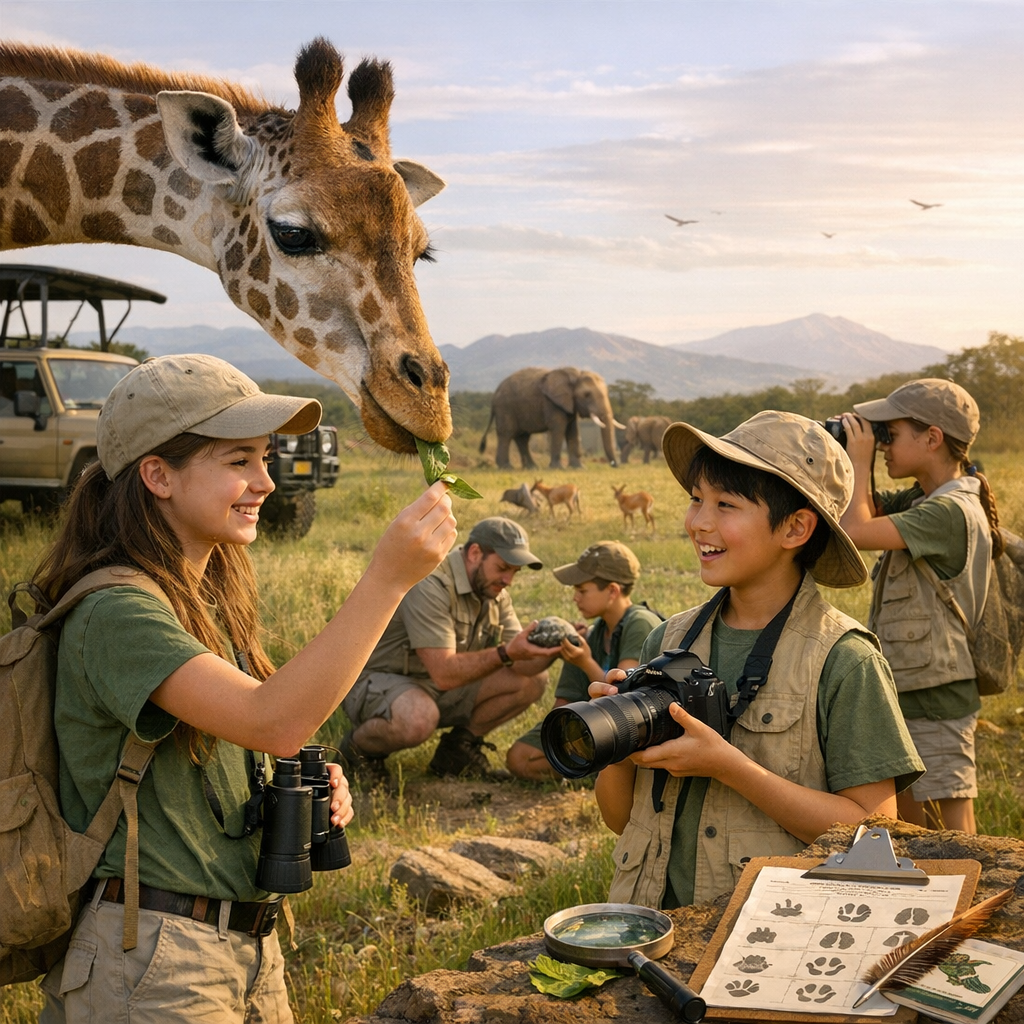
These conservation programs often combine luxury with learning, offering families the chance to travel to breathtaking remote locations around the world. Whether tracking the big five in an exclusive South African safari or rehabilitating sea turtles on a private island in the Caribbean, these initiatives offer bespoke opportunities for families who wish to cultivate environmental stewards out of their children. Yet these experiences are not merely luxe getaways; they are carefully curated educational journeys aimed at teaching youth about ecosystem interconnectivity, wildlife protection, and the importance of conservation efforts.
Furthermore, the role of such programs extends beyond individual awareness. Involvement in these initiatives positions young participants as ambassadors of change, encouraging them to lead conversations on wildlife conservation within their peer groups and communities. For parents, investing in these programs not only aligns with a desire for unparalleled cultural and intellectual enrichment for their children but also reflects a commitment to contributing to global solutions for environmental issues.
As experts in child luxury experiences continually innovate to meet shifting attitudes towards green living, these conservation efforts are increasingly integral in shaping well-rounded, environmentally conscious individuals. By immersing children in diverse ecosystems, private wildlife conservation programs provide transformative opportunities to learn directly from conservationists and ecologists actively working to combat the biodiversity crisis.
Features of Private Conservation Programs
Significant scientific backing underscores the impact that early exposure to nature and wildlife conservation can have on young minds. A study published in the Journal of Environmental Education[1] emphasizes that children who regularly interact with diverse ecosystems tend to develop stronger emotional ties to the natural world, which in turn fosters pro-environmental behavior in adulthood. This finding suggests that, far from being just a childhood hobby, participation in wildlife conservation initiatives can lay the groundwork for a lifetime of environmental advocacy and stewardship.
Moreover, aligning conservation education with luxury travel presents unique educational benefits. According to a report by the World Travel & Tourism Council[2], experiential learning—where children engage directly with their environment—encourages deeper understanding and retention of conservation principles. This kind of intensive learning experience is difficult to replicate in traditional educational settings, hence the appeal of these high-end, immersive conservation programs.
In addition, the luxury approach adds an element of exclusivity and access to resources that can enhance educational outcomes. These programs often partner with renowned scientific institutions and leading conservationists, providing inside knowledge that is both rare and invaluable. For instance, children might engage in activities like DNA sampling or animal tracking, applying scientific concepts directly in the field—a level of involvement that’s typically restricted to qualified adults or professionals.
Furthermore, medical research suggests that interactions with nature have profound psychological benefits for children. In a study by the American Academy of Pediatrics[3], researchers highlighted that green spaces significantly improve children’s mental health, reducing stress levels, enhancing mood, and even improving cognitive function. This reinforces the idea that the luxurious environments of these conservation programs do more than just please visually; they foster developmental and emotional well-being, which is central to raising emotionally intelligent and resilient young people.
Conclusion
Private wildlife conservation programs for young environmentalists represent an intersection of luxury, education, and environmental responsibility. By participating in these unique initiatives, children gain not only practical knowledge and lasting memories but also a sense of duty towards the preservation of our planet. As they transition from observers to active participants in the conservation narrative, they pave the way for a future where luxury embodies stewardship and ecological harmony. Parents, in nurturing this connection, not only enrich their children’s lives but also contribute significantly to broader conservation efforts. Explore programs tailored to your child’s interests and take the first step in fostering a generation committed to ecological sustainability.

Dominic E. is a passionate filmmaker navigating the exciting intersection of art and science. By day, he delves into the complexities of the human body as a full-time medical writer, meticulously translating intricate medical concepts into accessible and engaging narratives. By night, he explores the boundless realm of cinematic storytelling, crafting narratives that evoke emotion and challenge perspectives. Film Student and Full-time Medical Writer for ContentVendor.com