Hyper-Personalized Fitness Programs for Young Athletes Using AI
Introduction
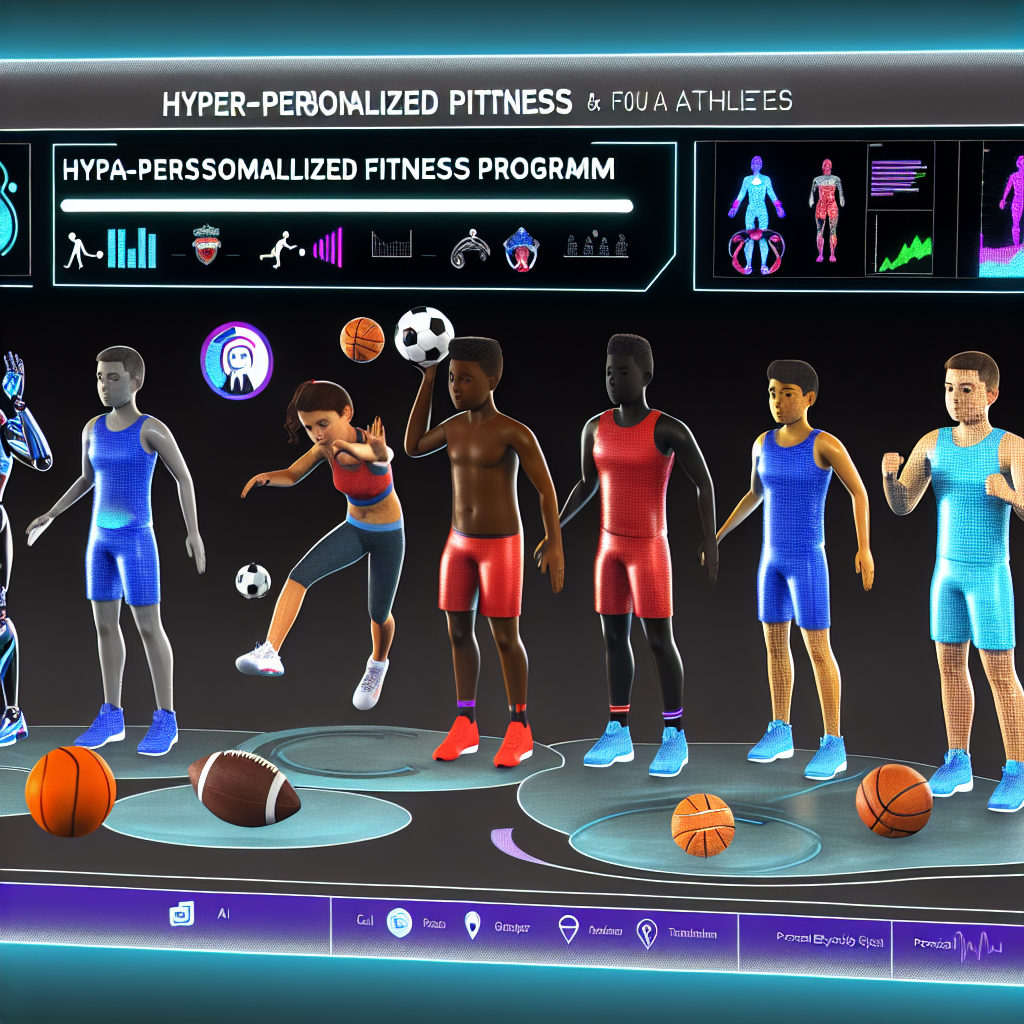
In today’s fast-paced world, where technology is an integral part of daily life, leveraging artificial intelligence (AI) to enhance various aspects of living is no longer a futuristic concept but a present reality. One area witnessing a revolutionary transformation through AI is youth sports and fitness. For parents who prioritize luxury and exclusivity, ensuring their young athletes receive the best possible training programs is paramount. Enter hyper-personalized fitness programs, a novel approach to sports training that utilizes AI to tailor regimens precisely to a young athlete’s needs, goals, and physiological responses.
AI-driven fitness programs offer an unprecedented level of personalization, moving beyond the one-size-fits-all model to a dynamic, individualized approach. These programs utilize data collected from wearable technology, fitness trackers, and mobile apps to deliver insights into an athlete’s performance. By analyzing data on biometrics, such as heart rate variability, sleep patterns, and caloric expenditure, AI can identify patterns and trends that human coaches might overlook. The result is a fitness program that adapts in real-time to the athlete’s schedule, workload, and growth, maximizing efficiency and effectiveness.
Moreover, AI-integrated systems consider factors such as the athlete’s age, nutritional needs, developmental milestones, and even genetic predispositions. This level of customization can significantly enhance performance while minimizing the risk of injury or burnout. For young athletes striving to excel in competitive sports arenas, these bespoke fitness solutions can be a critical differentiator, giving them a competitive edge.
Additionally, AI technologies provide an engaging and immersive training experience. Gamification elements can transform routine exercises into interactive challenges, keeping young athletes motivated and invested in their fitness journey. As these innovative programs continue to evolve, they promise to deliver a seamless blend of cutting-edge technology and athletic training, ensuring that each young athlete can reach their full potential.
Features
Recent studies underscore the growing impact of AI on sports and fitness, highlighting its potential to revolutionize traditional training models. A study published in the Journal of Sports Science & Medicine explored how AI algorithms optimize training load and enhance performance outcomes. The research demonstrated that AI’s ability to analyze large datasets leads to more effective training regimens tailored to individual needs, noting marked improvements in athletic performance among participants using AI-assisted coaching.
In addition to optimizing performance, hyper-personalized fitness programs play a pivotal role in injury prevention. According to a study by the American Journal of Sports Medicine, AI can predict injury risks by analyzing historical data and identifying the biomechanical markers preceding injuries. This predictive capability enables early intervention strategies to be implemented, reducing the occurrence and severity of injuries. Such insights are invaluable for parents who want to protect their young athletes from the long-term risks associated with sports injuries.
On the nutrition front, AI systems can offer tailored dietary recommendations by evaluating nutritional needs alongside physical activity data. The Nutrition & Food Science journal published a study indicating that AI-driven nutrition plans improved athletic performance and recovery rates. By considering variables such as metabolism rates and nutrient absorption patterns, these programs ensure athletes receive optimal nutrition to support their rigorous training demands.
The benefits of AI are further enhanced by the integration of machine learning models that track and analyze performance over time. A comprehensive review in the European Journal of Sport Science highlighted how these models facilitate continuous improvement, enabling coaches and athletes to make data-driven decisions that align with long-term goals. For young athletes, this ongoing refinement process fosters resilience and adaptability, traits crucial for success in sports.
Conclusion
Hyper-personalized fitness programs powered by AI represent a significant leap forward in youth sports training, providing young athletes with bespoke solutions that enhance performance, reduce injury risks, and improve overall well-being. By investing in these cutting-edge programs, parents can ensure their children benefit from the most advanced training technology available, setting them on a path to achieve both their athletic and personal aspirations. As AI continues to evolve, its role in molding the future of sports training looks increasingly promising.

Dominic E. is a passionate filmmaker navigating the exciting intersection of art and science. By day, he delves into the complexities of the human body as a full-time medical writer, meticulously translating intricate medical concepts into accessible and engaging narratives. By night, he explores the boundless realm of cinematic storytelling, crafting narratives that evoke emotion and challenge perspectives. Film Student and Full-time Medical Writer for ContentVendor.com