“`html
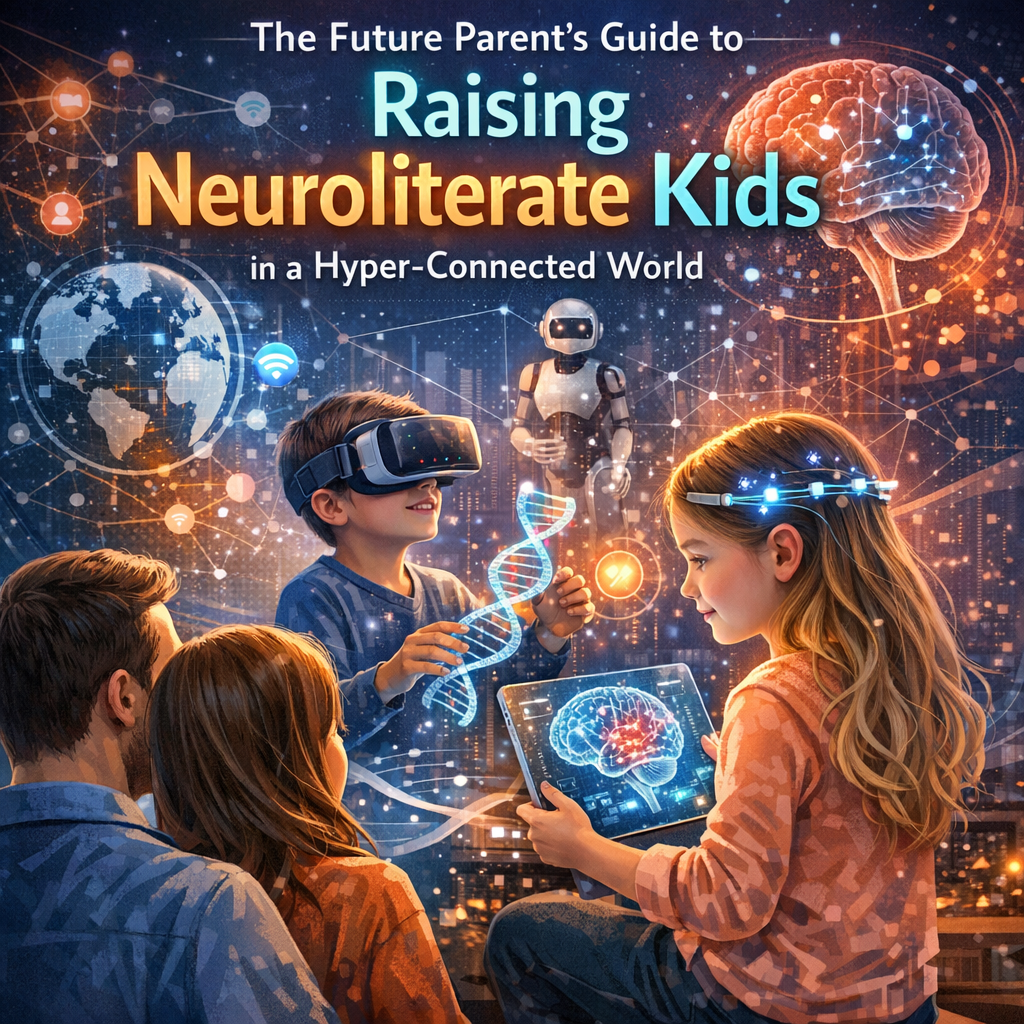
The Future Parent’s Guide to Raising Neuroliterate Kids in a Hyper-Connected World
Introduction
In an era where technology is seamlessly woven into the fabric of everyday life, raising a child who is neuroliterate — that is, one who understands the intricacies of their own brain and how to optimize its function — is increasingly important. Today’s world demands more than just academic excellence; it calls for children who are emotionally intelligent, adaptable, and capable of harnessing the power of technology without becoming consumed by it. As we guide our children through this hyper-connected landscape, parents of means have a unique opportunity to provide resources, education, and experiences that foster a deep understanding of brain health and digital well-being.
Being neuroliterate involves an awareness of how digital interactions affect mental processes and physical well-being. As parents, it involves actively engaging in discussions with your children about how screen time impacts focus, creativity, and emotional regulation. Moreover, it requires equipping them with strategies to manage these effects. Understanding neuroscience principles and applying them to everyday digital interactions can give children a critical advantage, preparing them for a future where artificial intelligence and digital interfaces will play pivotal roles.
Parents today are not just competing with their children’s attention amidst a sea of digital distractions; they are tasked with providing guidance that effectively bridges the gap between technology and well-being. Investment in neuro-literacy resources, such as workshops, books, and tech-focused camps, can provide children with invaluable insights into how to use technology mindfully. This might also include facilitating exposure to cutting-edge scientific research and technology, ensuring that kids are not merely passive consumers but active participants in the digital age.
In the digital age, parenting is not just about preserving family values and ethics; it is about fostering an environment that balances technological savvy with emotional and cognitive resilience. The key to achieving this balance lies in nurturing neuroliteracy; for affluent parents, investing in this kind of education is not just an option — it is a responsibility woven into the fabric of preparing their children for the future.
Features
Scientific research increasingly underscores the importance of understanding how digital media and technology affect the developing brain. A pivotal study published in JAMA Pediatrics explores the link between time spent on digital devices and the development of white matter in children’s brains. The study highlights that excessive screen time can alter the integrity of white matter tracts, which are crucial for language, literacy, and cognitive skills. The implication here is profound: parents must be vigilant in monitoring and managing their children’s screen time to safeguard developmental health.
Another noteworthy study from Nature Human Behaviour reveals that while digital technology can facilitate immediate access to information and learning opportunities, it also poses risks such as reduced attention span and impaired ability to process complex emotional cues. Learning from this study, parents can introduce practices such as digital detoxes, establishing tech-free zones, and encouraging alternative activities that promote brain development, like outdoor play and artistic pursuits.
Moreover, an investigative report from the American Academy of Pediatrics emphasizes the positive outcomes associated with guided, interactive screen time, which contrasts with passive consumption such as watching videos. Interactive, educational apps that are age-appropriate can support cognitive development and problem-solving skills.
To prepare children for a future where machine learning and AI are omnipresent, technology seminars and summer camps dedicated to exploring the STEM fields have become increasingly popular. These programs do more than boost technological competence; they foster critical thinking, enhance problem-solving skills, and encourage innovation — all crucial elements for nurturing a neuroliterate child.
Resources for teaching neuroliteracy are increasingly becoming available and include online courses, books that discuss brain function relevant to children’s understanding, and workshops for parents on fostering a healthy digital balance. It is vital for parents to stay informed about these resources and opportunities, ensuring their children are not only adept at using technology but also skilled in understanding the implications and health aspects of their digital interactions.
Conclusion
In a world dominated by screens and digital interfaces, raising a neuroliterate child has never been more essential. Understanding and optimizing brain function in the context of technology use empowers children to not only navigate but thrive in the complexities of the digital world. By providing resources, education, and meaningful experiences, parents of means can equip their children with the knowledge and skills needed to harness the full potential of their capabilities, laying a foundation for a balanced and successful future in our hyper-connected era.
“`

Dominic E. is a passionate filmmaker navigating the exciting intersection of art and science. By day, he delves into the complexities of the human body as a full-time medical writer, meticulously translating intricate medical concepts into accessible and engaging narratives. By night, he explores the boundless realm of cinematic storytelling, crafting narratives that evoke emotion and challenge perspectives. Film Student and Full-time Medical Writer for ContentVendor.com