The Neuroscience of Luxury: Designing Child Environments that Hack Performance Potential
Introduction
In the world of luxury parenting, creating environments that not only pamper but also enhance the cognitive development and performance potential of children is gaining significant attention. Understanding the intersection of neuroscience and luxury in designing child environments is essential for parents intent on optimizing their children’s potential. The burgeoning field of neuroarchitecture integrates principles of neuroscience into architectural design, exploring how spaces can affect brain function and emotional well-being. For parents of means, this approach introduces a transformative way to rethink the environments in which their children learn, play, and grow.
Traditionally, luxury has been synonymous with high-end materials and aesthetics, but it’s rapidly evolving to incorporate elements that stimulate cognitive function and promote mental well-being. This shift is driven by an increasing body of research showing that children’s environments significantly influence their brain development and educational outcomes. Concepts such as natural light exposure, spatial design, and sensory environments are scientifically proven to impact cognitive and emotional regulation—areas critical in developing the next generation of innovators and leaders.
Tools of design harness insights from neuroscience to produce environments that do more than coddle children; they challenge and develop their capacities uniquely and profoundly. These environments align with the highest principles of luxury by blending beauty, functionality, and cutting-edge technology to create spaces where children’s potential can flourish. With an understanding of the neural responses to environmental stimuli, architects and designers can create spaces that foster creativity, enhance focus, and provide therapeutic benefits.
Features
A growing body of research confirms that environments designed with neurological development in mind can substantially boost cognitive performance. For instance, a study conducted by the University of British Columbia [UBC Psychology](https://psych.ubc.ca/) found that exposure to natural light can significantly improve performance on cognitive tasks, demonstrating a marked increase in concentration and productivity. This finding supports the integration of expansive windows and skylights in child rooms and learning environments.
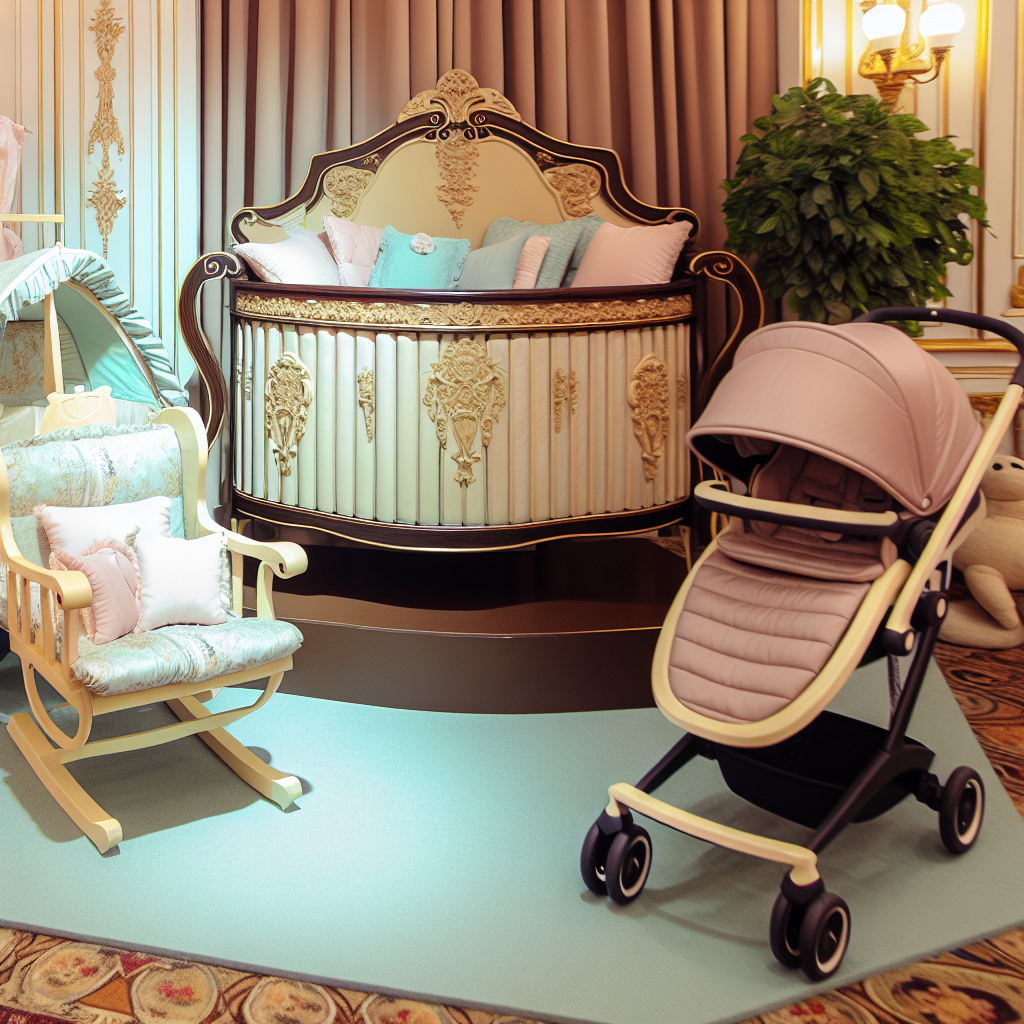
Furthermore, research presented in the journal [Frontiers in Psychology](https://www.frontiersin.org/journals/psychology) highlights how carefully curated color schemes can influence mood and cognitive ability. Soft pastels, for instance, tend to calm the mind and improve focus, while vibrant colors, when used judiciously, can stimulate creativity and excitement. Textures and patterns inspired by nature—known as biophilic design—are also noted for their calming effects, reducing stress levels and fostering a sense of well-being, thereby creating an ideal environment for learning and play.
Acoustic engineering also plays a crucial role in designing child-specific luxury environments. A study by [The Acoustical Society of America](https://acousticalsociety.org/) emphasizes that reducing background noise can drastically enhance comprehension and concentration. High-quality soundproofing or strategic use of sound-absorbing materials ensures that a child’s focus remains undisturbed, mimicking the serene environment conducive to deep work and learning.
Beyond design, psychological studies, such as those published in the [Journal of Child Psychology and Psychiatry](https://acamh.onlinelibrary.wiley.com/journal/14697610), underscore the importance of giving children autonomy over their spaces. Allowing children to personalize their environment imbues a sense of control and personal investment, which are key factors in motivation and emotional regulation. Luxury environments capitalize on this by offering adaptable, child-friendly furnishings and high-tech features that allow personalization while maintaining the integrity of design aesthetics.
Conclusion
For parents who recognize that the future of luxury extends beyond comfort and aesthetics to encompass the holistic development of their children, investing in environments grounded in neuroscience principles is a revolutionary step. By incorporating design elements that enhance cognitive function and emotional well-being, these environments serve as platforms on which children can build their potential. As these scientific insights continue to evolve, they will undoubtedly shape the future of education and child development, ensuring that luxury is synonymous with nurturing the mind as well as pampering the senses.

Dominic E. is a passionate filmmaker navigating the exciting intersection of art and science. By day, he delves into the complexities of the human body as a full-time medical writer, meticulously translating intricate medical concepts into accessible and engaging narratives. By night, he explores the boundless realm of cinematic storytelling, crafting narratives that evoke emotion and challenge perspectives. Film Student and Full-time Medical Writer for ContentVendor.com