Navigating the World of Personalized Genomic Nutrition for Children
Introduction
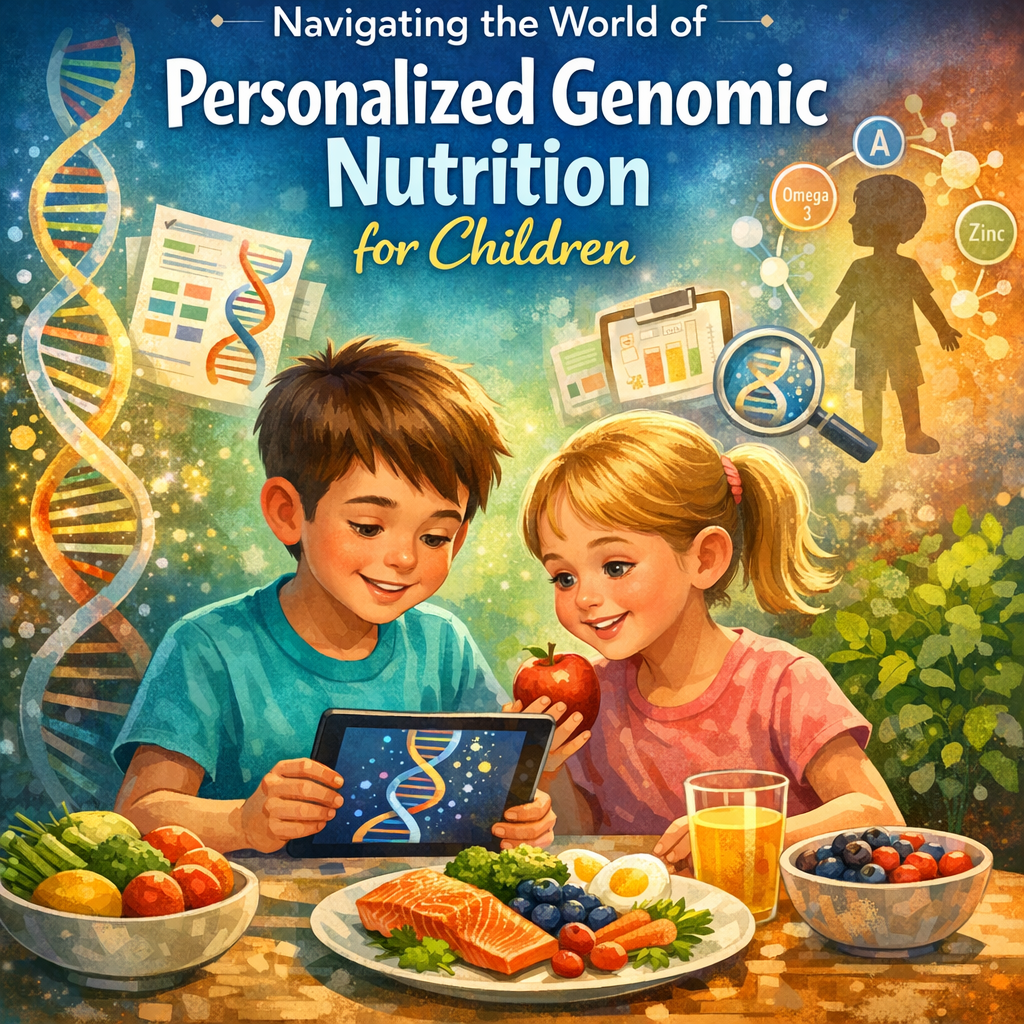
In the contemporary landscape of luxury parenting, personalization rules the roost, and genomic nutrition has emerged as a promising frontier. This innovative approach fuses the precision of genetic science with the art of nutrition, offering bespoke dietary regimens tailored specifically to an individual’s genetic profile. For children, who are in critical stages of growth and development, adopting a genomic nutrition strategy can be especially beneficial, providing a potential roadmap to optimize their health outcomes and overall well-being.
The principle behind personalized genomic nutrition is rooted in the understanding that each child is genetically unique, and thus, their dietary needs should be customized accordingly. What fits one child in terms of nutrition may not suit another due to genetic differences affecting metabolism, nutrient absorption, and even taste preferences. Genomic nutrition aims to maximize health, enhance development, and prevent nutrition-related illnesses by studying these genetic variances.
The rise of personalized genomic nutrition has been facilitated by advancements in DNA sequencing technologies, which have become more accessible and affordable. These technologies allow for comprehensive insights into a child’s genetic makeup, unveiling predispositions towards various health conditions and nutritional intolerances. For affluent parents keen on providing the best for their progeny, engaging in genomic nutrition not only offers a bespoke dietary strategy but also reflects a broader commitment to cutting-edge well-being solutions.
While the benefits are promising, navigating the world of genomic nutrition also presents challenges. Ethical considerations about genetic privacy, the potential for over-reliance on genetic data, and the need for expert guidance must be navigated with care. Therefore, it is crucial for parents to work with professionals who are knowledgeable in both genetics and nutrition to ensure that personalized plans are scientifically sound and practically feasible. As we delve deeper into this topic, we will explore the scientific basis supporting this approach and consider the steps necessary for integrating genomic nutrition into your child’s lifestyle.
Features
A growing body of research underscores the potential of personalized genomic nutrition to revolutionize dietary planning. According to the study published in the journal *Nutrients*, ”precision nutrition” is defined as tailored dietary advice that considers the individual’s phenotypic and genotypic information. This approach has been shown to be more effective in improving health outcomes compared to generalized dietary recommendations ([Nutrients Journal](https://www.mdpi.com/journal/nutrients)).
One significant study published in *Cell Metabolism* explored the relationship between genetics and individual responses to food. The research suggests that genetic variations can influence nutrient metabolism and thus play a crucial role in personalized dietary needs. For example, certain children may have genetic markers that predispose them to lactose intolerance or gluten sensitivity, necessitating specific dietary modifications ([Cell Metabolism](https://www.cell.com/cell-metabolism)).
Moreover, genetic analysis tools such as nutrigenomics have allowed for the identification of genetic markers associated with obesity, diabetes, and cardiovascular conditions, thereby enabling bespoke prevention strategies. A study published in *The American Journal of Clinical Nutrition* emphasizes the potential for such interventions to preempt the onset of diet-related diseases in predisposed individuals ([American Journal of Clinical Nutrition](https://academic.oup.com/ajcn)).
While the promise of genomic nutrition is undeniable, understanding its full potential requires a collaborative approach. Healthcare providers such as geneticists, dietitians, and pediatricians are increasingly working together to interpret genetic data and deliver actionable insights for personalized nutrition planning. Collaboration among these experts ensures the nutritional strategies developed are not only personalized but also holistic, addressing the wider lifestyle and health goals of the child.
Given the rapidly evolving nature of genetic sciences, continuous research and development are essential. Institutions are investing in exploring how genetic data can further refine and enhance personalized nutrition protocols, making genomic nutrition an exciting field poised for future discoveries. The convergence of genomic insights with advanced nutritional science holds vast potential to redefine child health, ensuring the emerging generation has access to the most personalized and effective dietary interventions.
Conclusion
Personalized genomic nutrition represents a pioneering venture in the realm of child welfare, offering a bespoke approach to dietary planning. As this scientific frontier continues to develop, it presents affluent parents with unparalleled tools to optimize their child’s growth, development, and long-term health. When guided by expert consultation and ethical considerations, genomic nutrition holds the promise of customizing nutrition in ways that are as unique as the children it serves, truly exemplifying the pinnacle of parental care.

Dominic E. is a passionate filmmaker navigating the exciting intersection of art and science. By day, he delves into the complexities of the human body as a full-time medical writer, meticulously translating intricate medical concepts into accessible and engaging narratives. By night, he explores the boundless realm of cinematic storytelling, crafting narratives that evoke emotion and challenge perspectives. Film Student and Full-time Medical Writer for ContentVendor.com